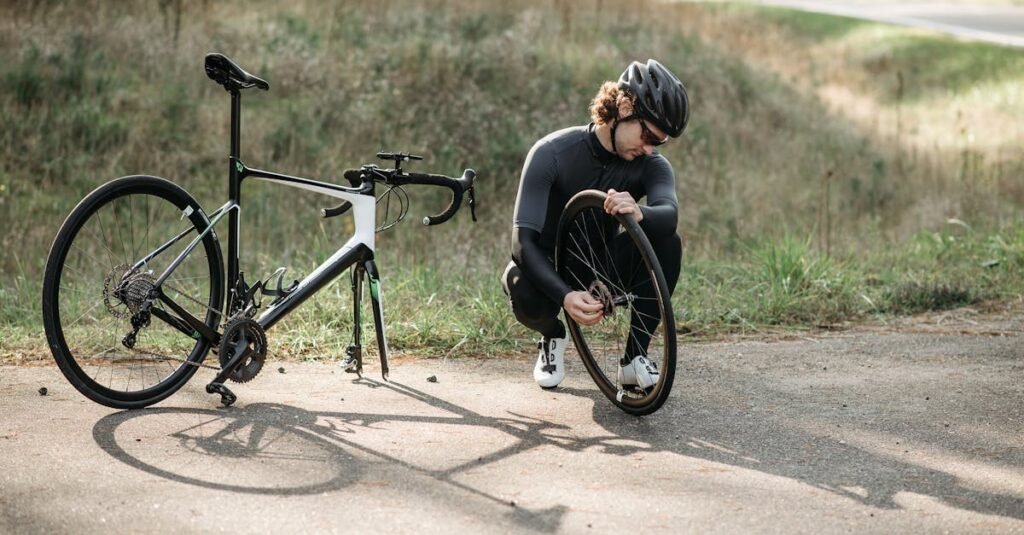
Seasonal Gear Checks
Learn Road, Race And Mountain Repairs
- Work through chapters organized by the bike’s mechanical systems for easy learning
- Get a 150-page illustrated manual to reference while you work in your home setup
- Use easy-to-follow demonstrations that make daunting tasks feel manageable
Bicycles endure various weather conditions throughout the year. Each season brings its own challenges that can affect bike performance, particularly in the gear system. Regular checks during seasonal transitions ensure that your bike adapts well to temperature changes, moisture levels, and road conditions. Routine inspections can prevent unexpected mechanical issues when you hit the trails or the road again.
Spring often welcomes the return of longer rides and increased mileage. It’s essential to examine the gear shifting and alignment during this time. On the other hand, fall may introduce debris and mud, so ensuring that the gears remain clean and operational can enhance your biking experience. Investing time in each seasonal gear check can prolong the life of your components and promote safer rides.
Preparing for Different Riding Conditions
Riding conditions vary significantly. These differences can affect bike performance and rider safety. For instance, wet or muddy conditions might necessitate tighter gear adjustments to prevent slipping during climbs. Conversely, dry and smooth surfaces often enable a more relaxed setup, allowing for smoother shifts and better efficiency.
Different terrains call for specific gear configurations. When riding uphill, a lower gear allows for easier pedaling, preventing exhaustion. On flat stretches, higher gears enable quicker speeds with less effort. Preparing your bike to accommodate these conditions ensures a better riding experience regardless of the environment.
Tools for Gear Inspection
Having the right tools for inspecting bike gears is essential for effective maintenance. A quality multi-tool is a must-have for any cyclist. These compact devices often include various wrenches and screwdrivers necessary for adjusting derailleurs or tightening bolts. Additionally, a chain checker helps you monitor chain wear, ensuring optimal performance and avoiding potential damage to your bike’s drivetrain.
A good set of Allen wrenches is beneficial for making precise adjustments to the bike’s components. A torque wrench can help you apply the correct amount of tension when tightening bolts, preventing over-tightening and potential damage. Chain lubricant is also important during the inspection process. Regularly applying lubricant keeps the chain smooth and reduces friction, ultimately extending the lifespan of the gear system.
Essential Equipment for Maintenance
A well-equipped toolkit is fundamental for maintaining bike gears. Essential items include a multi-tool with various sizes of wrenches and screwdrivers. Chain cleaners and degreasers help remove built-up grime, ensuring smooth gear shifting. Additionally, having a chain checker can be beneficial. It helps determine whether the chain needs replacement due to wear, which ultimately affects overall bike performance.
Lubricants are key to ensuring that gears operate smoothly, reducing friction and wear over time. Specific bicycle grease is ideal for keeping connectors and mechanisms functioning effectively. A quality pump is also important, as properly inflated tires contribute to better gear performance. Investing in these tools not only enhances the longevity of your bike but also ensures a safer riding experience.
The Ultimate At-Home Bike MasterClass
- Repair and maintain road, race, and mountain bikes with guidance tailored to each
- Keep your bike running smoothly with cleaning and lubrication best practices
- Get support through video chat or email when you need help on a tricky step
DIY Gear Maintenance Tips
Regularly inspecting the derailleur alignment is vital for smooth shifting. Begin by checking that it sits parallel to the cassette. Misalignment can lead to skipping gears or difficulty in shifting. If the derailleur needs adjustment, use a 2mm Allen wrench to fine-tune the limit screws. This simple step ensures that the chain moves effortlessly across all gears, enhancing your riding experience.
Inspecting your chain is another essential part of DIY gear maintenance. Look for signs of wear, such as rust, stiff links, or elongation. A quick way to check chain wear is by using a chain checker tool. If the chain has stretched beyond acceptable limits, replacing it prevents further damage to the drivetrain. Keeping the chain clean and lubricated also contributes significantly to overall gear performance.
Simple Steps for Gear Adjustment
Proper gear adjustment is essential for a smooth riding experience. Start by ensuring your bike is on a stable surface and the wheels are off the ground. Shift to the smallest chainring and the smallest rear cog, which will help you identify any misalignment. Inspect the derailleur for any visible issues and ensure it’s parallel to the gear cogs. Adjust the cable tension by turning the barrel adjuster clockwise or counterclockwise until the derailleur properly aligns with the gears.
Once the derailleur is aligned, shift through the gears to test their responsiveness. If you notice skipping or hesitation, fine-tune the adjustments. Use the limit screws on the derailleur to prevent excessive movement beyond the intended gear range. Make sure each gear shifts smoothly without resistance. Regular trials can help catch any issues early, ensuring your bike remains in peak condition for every ride.
FAQS
Why is it important to regularly check my bike gears?
Regularly checking your bike gears ensures they are functioning optimally, which enhances your riding experience, improves safety, and extends the lifespan of your bike components.
How often should I check my bike gears?
It’s recommended to check your bike gears at least once a month, or more frequently if you ride often or in varying weather conditions.
What tools do I need for a basic gear inspection?
Basic tools for gear inspection include a multi-tool, a chain checker, a torque wrench, and possibly a degreaser and lubricant for maintenance.
Can I perform gear maintenance myself?
Yes, many gear maintenance tasks can be done at home with the right tools and knowledge. Simple adjustments and cleaning can often be accomplished by following DIY guides.
What are some common signs that my bike gears need adjustment?
Common signs include skipping gears, difficulty shifting, unusual noises during gear changes, or the chain falling off, indicating that your gears may need adjustment or maintenance.
Related Links
10 Essential Tips for Perfecting Gear Tuning
The Historical Evolution of Bicycle Gears and Tuning Techniques
Upgrade And Maintain Any Bicycle
- Keep your bike running smoothly with cleaning and lubrication best practices
- Benefit from three different instructors and teaching styles across three bike types
- Make bike maintenance feel practical, organized, and doable from home