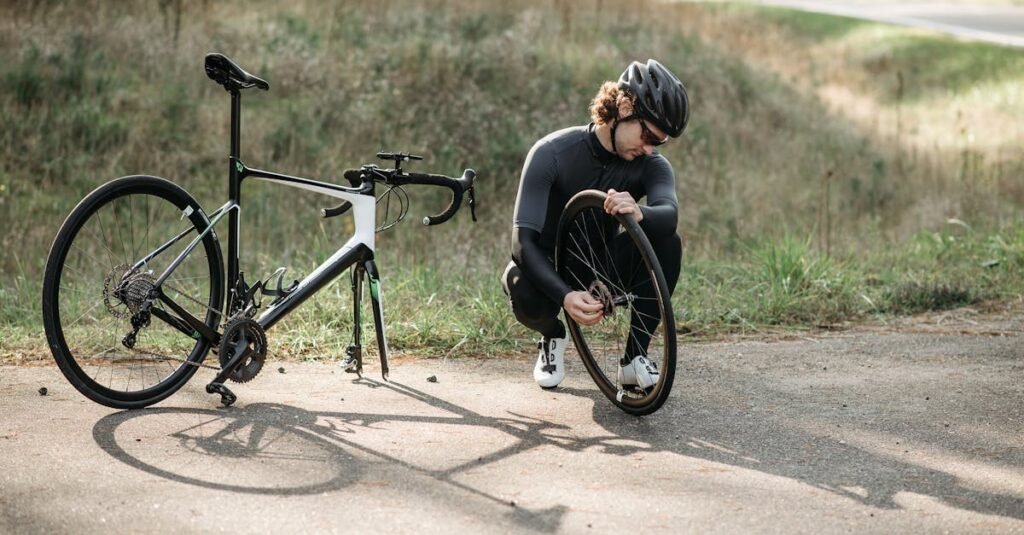
Tuning Techniques for Optimal Performance
Learn Road, Race And Mountain Repairs

- Work through chapters organized by the bike’s mechanical systems for easy learning
- Get a 150-page illustrated manual to reference while you work in your home setup
- Use easy-to-follow demonstrations that make daunting tasks feel manageable
Achieving optimal performance in bicycle gearing requires an understanding of both the mechanical and tactile aspects of the bike. Regular inspections of cable tension can help ensure smooth shifting. Maintaining the derailleur alignment is critical as it directly influences gear changes. Keeping the chain clean and well-lubricated reduces friction and wear, enhancing efficiency and prolonging the lifespan of components. Cycling enthusiasts often utilize a chain checker to monitor wear, allowing timely replacements to avoid compatibility issues.
Rider preferences also play a significant role in tuning techniques. Different riders may favor varying degrees of tightness in cable adjustments, impacting responsiveness. Experimenting with gear ratios can help cyclists find a setup that matches their riding style and terrain. Although standard tools can assist in tuning, individuals may benefit from seeking professional help for precise adjustments. Overall, personalized tuning not only enhances performance but also contributes to a more enjoyable riding experience.
Basic Maintenance and Adjustments
Regular maintenance of bicycle gears is crucial for ensuring optimal performance and longevity. Riders should periodically check for wear and tear on components like cables, derailleurs, and chainrings. Cleaning the chain helps prevent buildup of dirt and grime, which can impede smooth shifting. Lubrication of the chain and moving parts is also essential, as it reduces friction and enhances overall efficiency.
Adjusting the tension of the cables affects shifting precision. If gears are skipping or not fully engaging, a simple adjustment can often rectify the issue. Fine-tuning the derailleur alignment ensures that the chain moves effortlessly between gears. Checking the limits of the derailleur helps avoid misalignment and potential damage. Regular attention to these details makes a significant difference in cycling performance.
The Impact of Cycling Competitions on Gear Design
Cycling competitions have played a pivotal role in shaping the design of bicycle gears. As racers strive for every ounce of speed and efficiency, manufacturers respond by innovating gear systems that enhance performance. Competitive events highlight the need for lighter materials, improved aerodynamics, and precise gearing ratios. These demands have led to significant advancements, allowing cyclists to maintain optimal cadence under various conditions.
The quest for victory drives continuous refinement of gear mechanisms. Races expose limitations in existing designs, prompting engineers to explore new technologies. Enhanced shift responsiveness and durability become crucial aspects of gear development. As different racing disciplines emerge, gear systems evolve to meet specific requirements, resulting in a wider variety of options for cyclists at all performance levels.
Innovations Driven by Competitive Racing
The relentless pursuit of speed and efficiency in competitive cycling has spurred numerous innovations in gear design. Manufacturers have continuously sought to enhance gear ratios and reduce weight to provide cyclists with a competitive edge. In particular, the introduction of indexed shifting revolutionized the experience, allowing for precise and quick gear changes. This technology not only improved the performance of road bikes but also influenced mountain bike designs, where quick shifting can make a significant difference in competitive scenarios.
Additionally, aerodynamics has become a primary focus in gear innovation. The development of more streamlined components has resulted in reduced drag, leading to significant gains in speed. These advancements have included integrated gear systems that minimize external elements while maximizing performance. Competitive racing continues to drive these innovations, as athletes demand equipment that meets their ever-increasing performance expectations.
The Ultimate At-Home Bike MasterClass
- Repair and maintain road, race, and mountain bikes with guidance tailored to each
- Keep your bike running smoothly with cleaning and lubrication best practices
- Get support through video chat or email when you need help on a tricky step
The Influence of Mountain Biking
Mountain biking has significantly shaped the development of bicycle gear systems, emphasizing durability and adaptability. Off-road cycling environments introduce unique challenges that require riders to navigate rough terrains, steep inclines, and diverse obstacles. As a result, manufacturers began designing gears that could withstand greater stress while providing the flexibility needed to tackle various trails. This shift necessitated a reevaluation of gear ratios, resulting in systems that offer lower gearing for climbing as well as higher ratios for speed on descents.
Specialized gear systems have emerged to cater specifically to the needs of mountain bikers. These innovations often include features such as wider cassettes and chainrings that enhance gear range and improve drivetrain performance. Suspension systems also play a role in this evolution, prompting the integration of gears that can handle the heavy demands of rough terrain. As mountain biking continues to evolve, so do the gear configurations that support this dynamic sport.
Specialized Gear Systems for Off-Road Cycling
Off-road cycling demands equipment that can withstand varied terrains and significantly different riding conditions. Specialized gear systems have emerged to tackle challenges such as steep ascents, rough descents, and unpredictable surfaces. These gear systems often incorporate wider gear ranges, allowing cyclists to easily shift between low and high gears. This functionality provides the necessary torque for climbing and the speed for descending, which enhances overall riding performance.
Additionally, off-road gear systems are designed to be more resilient than traditional road bike gears. Components such as derailleurs, shifters, and chains utilize robust materials to resist mud, dirt, and debris. Increased durability extends the lifespan of the gear systems while maintaining consistent functionality. Innovations such as clutch-style derailleurs help keep the chain under tension, reducing the risk of chain drops on rugged trails. This combination of features makes specialized gear systems essential for ensuring a smooth ride in challenging environments.
FAQS
What are the key tuning techniques for maintaining bicycle gears?
Key tuning techniques for maintaining bicycle gears include regular cleaning and lubrication of the chain, proper adjustment of the derailleur, ensuring accurate cable tension, and checking for wear on components like sprockets and chainrings.
How have cycling competitions influenced gear design over the years?
Cycling competitions have significantly influenced gear design by pushing manufacturers to innovate for improved performance, resulting in lighter materials, more precise shifting mechanisms, and advanced aerodynamic features that enhance speed and efficiency.
What innovations in bicycle gears have been driven by competitive racing?
Innovations driven by competitive racing include the development of electronic shifting systems, advanced gear ratios, and lightweight components that reduce drag and improve overall performance for racers.
How does mountain biking affect the design of bicycle gears?
Mountain biking affects the design of bicycle gears by necessitating specialized gear systems that endure rough terrains, providing greater durability, enhanced grip, and the ability to handle steep inclines and varied surfaces.
What are some examples of specialized gear systems for off-road cycling?
Examples of specialized gear systems for off-road cycling include wide-range gearing for climbing steep hills, robust chain guides to prevent derailment, and single-chainring setups that simplify shifting while maintaining reliability in rugged conditions.
Related Links
Why You Should Regularly Check Your Bike Gears
Why Proper Gear Tuning is Crucial for Cycling Efficiency
Upgrade And Maintain Any Bicycle
- Keep your bike running smoothly with cleaning and lubrication best practices
- Benefit from three different instructors and teaching styles across three bike types
- Make bike maintenance feel practical, organized, and doable from home