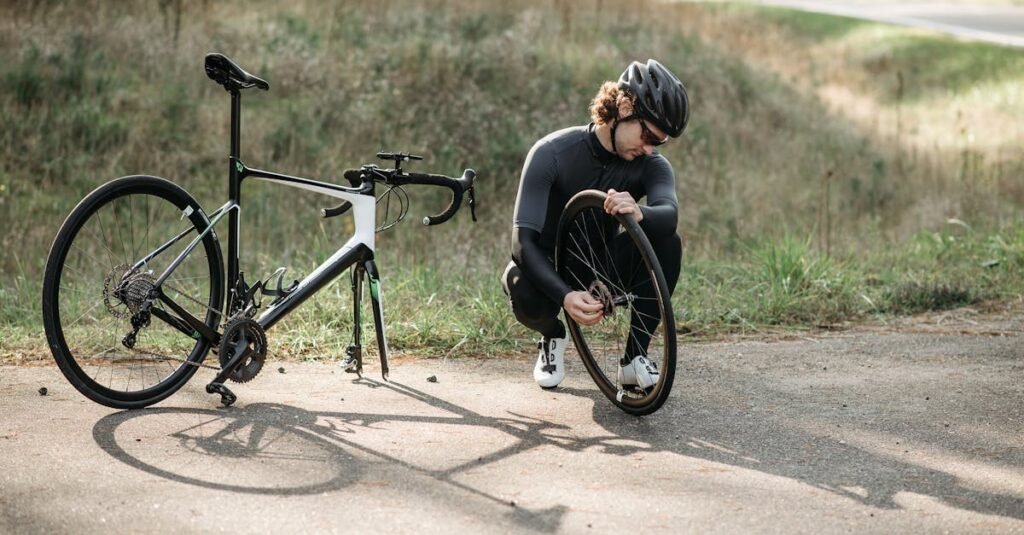
Test After Each Adjustment
Learn Road, Race And Mountain Repairs

- Work through chapters organized by the bike’s mechanical systems for easy learning
- Get a 150-page illustrated manual to reference while you work in your home setup
- Use easy-to-follow demonstrations that make daunting tasks feel manageable
After making adjustments to your gear, testing its performance is crucial. This step helps ensure that each change has a positive impact on functionality. Rigorous testing allows you to evaluate the effectiveness of the specific adjustment you made. It also gives you immediate feedback on what works and what might need further refinement.
Focus on consistent testing methods to track improvements. Using the same conditions for each test can help in comparing results accurately. Pay attention to any anomalies in performance after adjustments. Documenting findings can provide insights for future tuning sessions and help you recognize patterns over time.
How to Properly Test Gear Performance
Effective testing of gear performance involves a structured approach. Begin by assessing the equipment under conditions that mimic actual usage scenarios. This can include factors such as load, terrain, and environmental conditions. Monitor how the gear responds to different levels of intensity or pressure, noting any irregularities in performance. A controlled setup can help in identifying specific tuning needs.
After initial testing, take the time to document observations thoroughly. Record details such as the gear’s responsiveness, precision under stress, and any unexpected behaviors. If possible, incorporate feedback from others who use the gear, as their insights might highlight issues you may have missed. This collaborative approach can lead to a more comprehensive understanding of the gear’s performance in various situations.
Address Common Issues
Regular issues can arise during gear tuning that may hinder performance. One common problem is skipping or missed shifts. This often occurs when cables are not adjusted correctly or when internal components are worn. Another frequent issue involves chain misalignment, which can lead to noise and inefficient power transfer. It is crucial to inspect derailleurs and ensure that the chainline is straight to avoid these complications.
Another problem worth noting is brake rub, which can lead to dragging and increased wear. This typically results from misaligned calipers or improperly adjusted pads. Regularly checking the alignment and making necessary adjustments will help maintain optimal performance. Additionally, be observant for changes in responsiveness while riding. Sudden alterations might indicate that further attention is needed to the gear setup or the components themselves.
Identifying and Fixing Regular Problems
Common issues in gear performance often stem from improperly adjusted settings. One frequent problem is skipping or missed shifts, which can occur due to misalignment or worn components. Identifying the root of these issues is crucial. Start by inspecting the gear cables for fraying and ensuring that all derailleur adjustments are accurately set. Pay attention to chain wear as well; a stretched chain can lead to inefficiencies and shifting problems.
Another area to examine is the chain and cassette wear rate. If the teeth on the cassette are bending or the chain is elongated, it may hinder proper function. Regularly cleaning your gears and lubricating them can help prevent these problems. If issues persist, don’t hesitate to consult a professional. Sometimes, internal components may require replacement or fine-tuning beyond typical adjustments.
The Ultimate At-Home Bike MasterClass
- Repair and maintain road, race, and mountain bikes with guidance tailored to each
- Keep your bike running smoothly with cleaning and lubrication best practices
- Get support through video chat or email when you need help on a tricky step
Keep a Tuning Log
Documenting each adjustment made during the tuning process plays a crucial role in refining gear performance. This log serves as a valuable reference that helps you observe patterns in your tuning practices. When you record the specifics of each adjustment, such as the date, the exact changes made, and the outcomes, it becomes easier to replicate successful modifications in the future and recognize less effective ones right away.
Having a comprehensive record also aids in troubleshooting common issues that may arise over time. By tracking changes and their impacts, you can quickly pinpoint what adjustments resulted in improvements or setbacks. This systematic approach not only enhances your understanding of your equipment but also fosters a more intuitive feel for what adjustments yield the best performance. A well-maintained tuning log has the potential to elevate your overall experience and efficiency in gear maintenance.
Tracking Changes and Their Impact
Maintaining a tuning log provides valuable insights into how different adjustments affect gear performance. Documenting each change allows for easier identification of trends and outcomes. Noting the specifics of each adjustment, such as the date, weather conditions, and gear settings, can create a comprehensive picture of your tuning journey. This record serves not only as a reference for future adjustments but also helps in understanding which modifications yield the best results over time.
Analyzing the data collected in your log is equally important. By reviewing past entries, you can identify recurring patterns or issues that arise under specific conditions. This analysis facilitates informed decision-making for future tuning sessions. Taking the time to reflect on how various adjustments impact performance ultimately enhances your ability to achieve optimal results.
FAQS
What is gear tuning and why is it important?
Gear tuning refers to the process of adjusting and optimizing equipment or instruments to ensure they perform at their best. It is important because proper tuning can enhance performance, improve reliability, and extend the lifespan of the gear.
How often should I test my gear after adjustments?
It is recommended to test your gear after each adjustment to ensure that the changes have had the desired effect and to identify any further adjustments needed.
What are some common issues I should look out for when tuning my gear?
Common issues include misalignment, improper tension, and worn components. Identifying these problems early can save time and improve performance.
Why is keeping a tuning log important?
Keeping a tuning log allows you to track changes and their impact over time. This documentation can help you identify patterns, understand what adjustments work best, and make more informed decisions in the future.
Can I tune my gear myself, or should I hire a professional?
While many individuals can successfully tune their gear with the right knowledge and tools, hiring a professional may be advisable for complex equipment or if you are unsure about the tuning process.
Related Links
Review of the Best Gear Tuning Tools for Cyclists
Why You Should Regularly Check Your Bike Gears
Upgrade And Maintain Any Bicycle
- Keep your bike running smoothly with cleaning and lubrication best practices
- Benefit from three different instructors and teaching styles across three bike types
- Make bike maintenance feel practical, organized, and doable from home