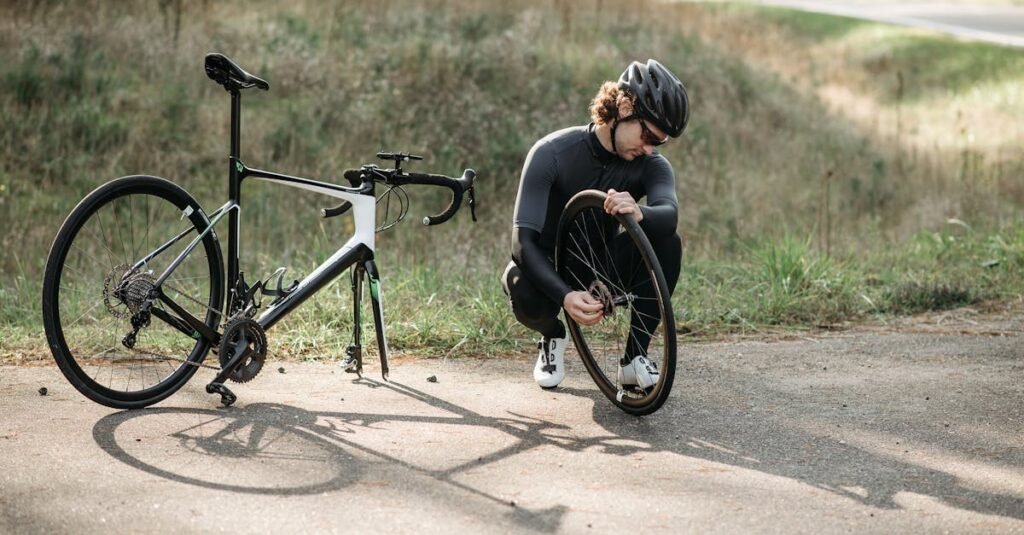
Safety Hazards of Untrued Wheels
Learn Road, Race And Mountain Repairs

- Work through chapters organized by the bike’s mechanical systems for easy learning
- Get a 150-page illustrated manual to reference while you work in your home setup
- Use easy-to-follow demonstrations that make daunting tasks feel manageable
Untrued wheels can pose significant threats to safety. When wheels are not properly aligned, the vehicle may experience uneven tire wear. This causes increased stopping distances and can lead to a sudden loss of control while driving. The unpredictability of a vehicle’s handling can create dangerous situations, especially during high-speed maneuvers or emergency braking.
Additionally, vibrations from unbalanced wheels can lead to premature wear on suspension components and other critical systems. These vibrations can also cause discomfort for passengers and make driving less enjoyable. In severe cases, drivers may be unable to predict how their vehicle will respond under various driving conditions, further heightening the risk of accidents.
Risks to Vehicle Stability and Control
When wheels are not properly trued, they can create significant instability during both acceleration and braking. An uneven wheel leads to vibrations that can be felt through the steering system. Drivers may find it difficult to maintain a straight path, which can cause dangerous swerving or erratic handling.
The impacts of poorly trued wheels extend beyond immediate handling issues. Over time, uneven wear can affect suspension components and tires, leading to further mechanical problems. This escalates the risk of a sudden loss of control, putting not only the driver but also other road users in jeopardy. Regular checks and appropriate maintenance become essential to mitigate these risks.
Preventative Maintenance for Wheels
Regular maintenance is crucial for ensuring wheels remain properly trued and functional. Drivers should routinely inspect their wheels for signs of wear or damage. Checking for bends or warps can help identify problems before they escalate. Keeping an eye on alignment and balance also contributes significantly to optimal wheel performance. A proactive approach in this area can enhance vehicle longevity and safety.
In addition to visual inspections, staying on schedule with tire rotations and balances is essential. Regular rotations prevent uneven wear and help maintain the proper shape of the wheels. Maintaining correct tire pressure impacts overall handling and performance. By adhering to these practices, drivers can avoid the pitfalls of poorly maintained wheels, ensuring both safety and comfort on the road.
Best Practices for Regular Checks
Regularly inspecting your wheels is essential to ensuring their proper functioning and longevity. Begin by visually checking for any noticeable dents, cracks, or uneven wear on the tire. Pay attention to the tread depth and any signs of misalignment which can affect your vehicle’s performance. It’s advisable to perform these checks at least once a month or before embarking on longer journeys to catch potential issues early.
In addition to visual inspections, consider measuring the wheel’s runout using a dial gauge. This tool can help you identify any imperfections in the wheel’s shape. Rotating your tires periodically can also help distribute wear evenly. Maintaining proper tire pressure is crucial, as both underinflation and overinflation can lead to problems. Keeping a regular schedule for these checks will enhance safety and optimize vehicle performance.
The Ultimate At-Home Bike MasterClass
- Repair and maintain road, race, and mountain bikes with guidance tailored to each
- Keep your bike running smoothly with cleaning and lubrication best practices
- Get support through video chat or email when you need help on a tricky step
Professional Truing vs. DIY
Choosing between professional truing services and a DIY approach involves assessing skill levels and the necessary tools. Professional truing typically provides assurance of precision, ensuring that wheels meet safety standards. Technicians possess specialized equipment that guarantees accurate alignment and can effectively address any underlying issues. In contrast, individuals opting for a DIY method may rely on rudimentary tools and limited experience, potentially leading to suboptimal results.
However, DIY truing can be a cost-effective option for those with mechanical aptitude and a willingness to learn. Basic techniques are accessible through various online resources, allowing for an instructional approach to wheel maintenance. Yet, this route carries risks if the process is not executed correctly. Improper adjustments might result in additional wear or even compromise vehicle safety over time. Understanding personal capabilities and the importance of wheel integrity is crucial in making an informed decision.
When to Seek Expert Help
When facing persistent wheel vibration or unusual handling characteristics, seeking professional assistance is crucial. These issues often indicate a deeper problem that may not be easily identified through casual inspection. Expert mechanics use specialized tools and experience to assess the condition of wheels accurately. They can uncover hidden damage or misalignments that an untrained eye might miss, ensuring that the vehicle operates safely and efficiently.
If regular maintenance checks reveal wear patterns that seem inconsistent or excessive, contacting a professional is advisable. This situation may suggest that the wheels are not properly trued or that other components are affecting wheel performance. Expert evaluation allows for timely adjustments or repairs that can prevent further damage and prolong the lifespan of the vehicle. Acting without delay can save both time and money in the long run.
FAQS
What are improperly trued wheels?
Improperly trued wheels are wheels that are not aligned correctly, resulting in uneven surfaces that can lead to vibrations, handling issues, and increased tire wear.
How can untrued wheels affect vehicle safety?
Untrued wheels can compromise vehicle stability and control, increasing the risk of accidents. They can lead to poor braking performance, steering difficulties, and reduced overall handling.
What are some signs that my wheels may be improperly trued?
Common signs include vibrations while driving, uneven tire wear, pulling to one side, and unusual noises coming from the wheels or tires.
How often should I check my wheels for trueness?
It is recommended to check your wheels at least once a year or during routine tire rotations. However, if you notice any symptoms of imbalance or wear, you should have them checked immediately.
When should I consider getting professional help for wheel truing?
If you are unsure how to assess your wheels or if you notice significant issues such as vibrations, pulling, or uneven wear, it is best to seek expert help for proper inspection and truing.
Related Links
Historical Development of Bicycle Wheel Truing Techniques
What to Do When Your Wheel Is Out of True
Upgrade And Maintain Any Bicycle
- Keep your bike running smoothly with cleaning and lubrication best practices
- Benefit from three different instructors and teaching styles across three bike types
- Make bike maintenance feel practical, organized, and doable from home