Common Mistakes to Avoid
Learn Road, Race And Mountain Repairs

- Work through chapters organized by the bike’s mechanical systems for easy learning
- Get a 150-page illustrated manual to reference while you work in your home setup
- Use easy-to-follow demonstrations that make daunting tasks feel manageable
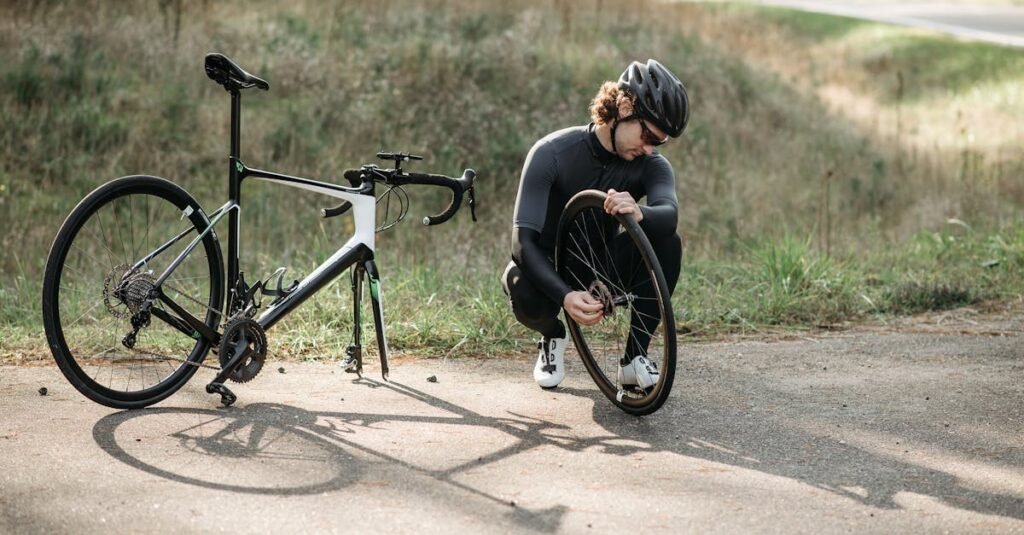
One frequent error cyclists make is neglecting to assess the entire wheel before starting the truing process. A proper inspection can reveal not only major bends but also minor issues that may lead to further complications if left unaddressed. Ignoring these details may cause unnecessary frustration during the truing process and could lead to an uneven wheel. This oversight can result in a more extensive repair down the line.
Another common mistake involves applying excessive force when tightening the spokes. Over-tensioning can lead to warping and even breakage, which negates the benefits of a well-trued wheel. It’s crucial to gradually adjust spoke tension while constantly checking for straightness. Rushing through this step can compromise the integrity of the wheel and ultimately lead to a more challenging maintenance cycle.
Pitfalls in the Wheel Truing Process
Many cyclists underestimate the importance of proper technique during the truing process. A common mistake involves excessive tightening of the spokes, which can lead to warping rather than correcting the wheel’s shape. This improper adjustment not only worsens the issue but can also make the wheel more susceptible to damage. Maintaining an even tension across all spokes is crucial for achieving balance and stability.
Another frequent oversight occurs when the wheel is not adequately supported during adjustment. Failing to use a truing stand can result in inaccuracies. Attempting to true a wheel while it is still on the bike may conceal some imperfections and complicate the process. This approach can lead to further misalignment, necessitating additional corrective measures. Proper assessment of the wheel’s true state is essential for ensuring a straightforward truing process.
Importance of Regular Maintenance
Regular maintenance plays a crucial role in ensuring the longevity and performance of your bicycle wheels. By periodically checking the trueness of your wheels, you can catch minor issues before they escalate into serious problems. This proactive approach helps maintain optimal riding conditions, enhancing the overall safety and efficiency of your cycling experience.
Keeping your wheels in good condition can also extend the life of your tires and other components. If wheels are out of true, they can cause uneven wear on tires and added strain on the frame and fork. Consistent maintenance fosters a smoother ride, allowing for better handling and improved riding comfort over time.
Why Keeping Your Wheels True Matters
Maintaining properly trued wheels is essential for overall bike performance. When wheels are not true, it can lead to uneven wear on tires and components. This misalignment can create undue stress on the bike frame and other parts, potentially resulting in costly repairs down the road. Smooth handling and efficient energy transfer are compromised, making rides less enjoyable.
Regularly checking the trueness of your wheels helps ensure safety while riding. A true wheel provides better traction, which is important for both performance and stability, especially during turns or at high speeds. Riders may also experience decreased rolling resistance with true wheels, improving overall efficiency. Ultimately, keeping wheels true contributes to a safer, more reliable cycling experience.
The Ultimate At-Home Bike MasterClass
- Repair and maintain road, race, and mountain bikes with guidance tailored to each
- Keep your bike running smoothly with cleaning and lubrication best practices
- Get support through video chat or email when you need help on a tricky step
When to Seek Professional Help
Bicycle maintenance can often be a straightforward task for enthusiasts. Some issues, however, require the expertise of a professional. If you find that your wheel remains out of true despite several adjustments, it may indicate underlying problems with the wheel itself or components directly associated with it.
Any sign of excessive wobbling or unusual noises during rides can signal a deeper issue with your wheel that necessitates specialist attention. Trying to fix complex problems without the right tools or know-how could exacerbate the situation. When in doubt, consulting a mechanic can save time and potentially costly mistakes.
Signs It’s Time to Consult a Specialist
When dealing with wheel issues, certain indicators suggest a need for professional intervention. A persistent wobble or an inability to achieve true alignment despite your efforts should not be ignored. Unusual noises while riding, such as clicking or rubbing sounds, often hint at deeper problems that may require specialized equipment or expertise to diagnose effectively.
Another crucial indication is if the wheel continues to deteriorate after multiple attempts at adjustment. If you notice significant wear on the rim or spokes, it may be a sign of underlying structural damage. In such cases, a qualified technician can provide a thorough assessment and ensure your safety as well as optimal performance. Ignoring these signs can lead to more significant damage and potentially hazardous riding conditions.
FAQS
What does it mean for a wheel to be “out of true”?
A wheel is considered “out of true” when it is not perfectly round or aligned, causing it to wobble or create uneven contact with the ground.
How can I tell if my wheel is out of true?
You can check if your wheel is out of true by spinning it and observing if it wobbles side to side or if there are noticeable gaps between the wheel and the brake pads.
Can I fix a wheel that is out of true by myself?
Yes, you can attempt to fix a wheel that is out of true by using a truing stand and adjusting the spokes. However, this process requires some skill and experience.
How often should I check my wheels for trueness?
It’s a good practice to check your wheels for trueness every few months or after any significant ride, especially if you frequently ride on rough terrain.
When should I consider taking my wheel to a professional?
You should consider consulting a professional if you notice severe wobbling, if the wheel is significantly damaged, or if you are unsure about making adjustments yourself.
Related Links
Why Improperly Trued Wheels Can Cause Damage
Why Regular Wheel Truing Is Essential for Safe Riding
Upgrade And Maintain Any Bicycle
- Keep your bike running smoothly with cleaning and lubrication best practices
- Benefit from three different instructors and teaching styles across three bike types
- Make bike maintenance feel practical, organized, and doable from home