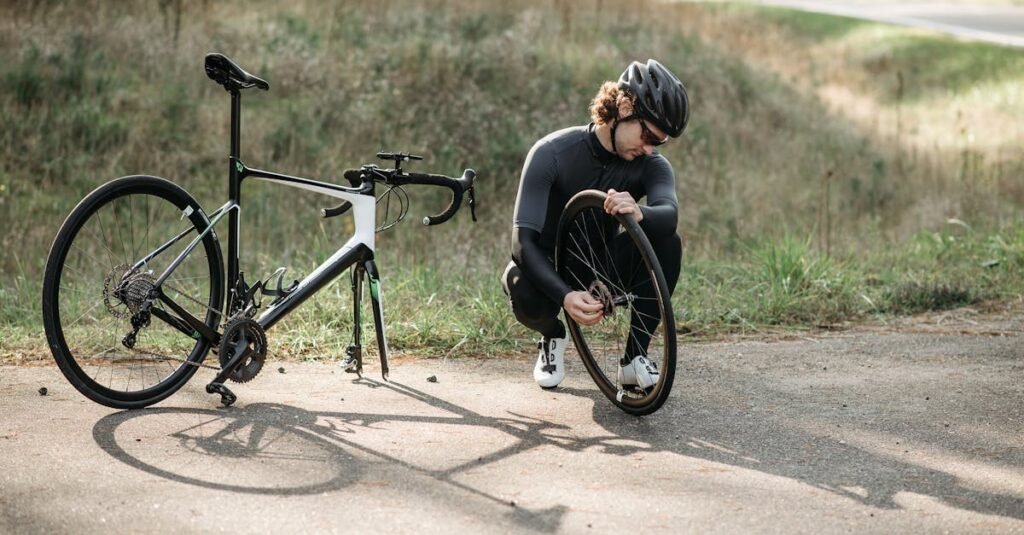
Cable Tension and Its Impact
Learn Road, Race And Mountain Repairs

- Work through chapters organized by the bike’s mechanical systems for easy learning
- Get a 150-page illustrated manual to reference while you work in your home setup
- Use easy-to-follow demonstrations that make daunting tasks feel manageable
Proper cable tension is crucial for the smooth operation of your bicycle’s gears. When the tension is too loose, it can result in sluggish shifting and difficulty achieving the intended gear. Conversely, overly tight cables can lead to premature wear on components and hinder gear changes. Achieving the right balance ensures precise shifting, enhancing your overall riding experience.
Factors such as temperature changes and regular usage can affect cable tension over time. Riders should regularly check their gear shifts, particularly after extensive use or after making any adjustments to the bike. A little proactive maintenance can go a long way in ensuring that your gears remain responsive and reliable while riding.
Adjusting Cable Tension for Optimal Performance
Proper cable tension is crucial for achieving seamless gear shifts. When the tension is too loose, the derailleur may struggle to move the chain across the cassette effectively. This can lead to missed shifts or chain slippage when trying to change gears, resulting in a frustrating riding experience.
To adjust the cable tension, first, shift to the largest chainring and the smallest rear cog. From this position, monitor the movement of the derailleur. If the chain does not align perfectly with the gears, or if it struggles to engage, the tension needs tweaking. Gradually turn the barrel adjuster on the shifter counterclockwise to increase tension or clockwise to reduce it. Fine-tuning this tension ensures more precise shifts and an overall smoother ride.
Chain Maintenance and Tuning
Regular chain maintenance plays a crucial role in the overall performance of your bicycle. Keeping the chain clean and well-lubricated prevents dirt buildup and reduces friction. This not only enhances shifting performance but also extends the life of the chain and other drivetrain components. Inspecting the chain for wear and stretch is essential, as a worn chain can lead to poor shifting and even damage to the cassette and derailleur.
When tuning the chain, it’s important to ensure that it is properly tensioned. A chain that’s too tight may strain the derailleur and cause premature wear, while a loose chain can slip during shifts. Using a chain checker tool helps gauge wear accurately. After adjusting the chain, take the time to wipe off any excess lubricant to avoid attracting dirt and grime, which can hinder performance over time.
Keeping Your Chain in Top Condition
A well-maintained chain is crucial for smooth shifting and overall bike performance. Regular cleaning is essential to prevent dirt and grime buildup. Use a degreaser specifically designed for bicycle chains and a brush to scrub away stubborn contaminants. After cleaning, rinse and dry the chain thoroughly to avoid rust.
Proper lubrication is equally important in maintaining the chain’s health. Apply a quality chain lubricant suited for your riding conditions, whether dry or wet. Allow excess lubricant to drip off before wiping away any residue. This practice helps reduce friction during rides and prolongs the life of both the chain and the cassette. Always monitor chain wear by checking for elongation, as a stretched chain can negatively impact gear performance.
The Ultimate At-Home Bike MasterClass
- Repair and maintain road, race, and mountain bikes with guidance tailored to each
- Keep your bike running smoothly with cleaning and lubrication best practices
- Get support through video chat or email when you need help on a tricky step
Tips for Test Riding
Test riding is an essential step in the gear tuning process. After making adjustments, take your bicycle out for a spin in a safe area. Pay close attention to how the bike shifts between gears. Listen for any unusual sounds that might indicate issues. Feel for any resistance that may suggest misalignment or insufficient cable tension. A smooth ride with clear shifts indicates successful tuning.
Evaluate your bicycle’s performance by changing gears while riding. Shift through each gear slowly and consistently. Check if the derailleurs respond accurately and without hesitation. If the bike feels sluggish or skips gears, further adjustments may be needed. Monitoring your bike’s performance not only helps identify issues but also enhances your overall riding experience.
Evaluating Your Gears After Tuning
After completing adjustments to your bicycle gears, it’s essential to conduct a thorough test ride to evaluate their performance. Begin in a safe, flat area where you can shift through all the gears without obstruction. Focus on listening for unusual sounds like skipping or grinding, which can indicate misalignment. Pay attention to how the chain engages and disengages from the sprockets. Smooth transitions are crucial for efficient cycling.
During the ride, shift through each gear multiple times, both while pedaling lightly and under load. Note any inconsistencies in shifting performance, as this can reveal whether further tuning is necessary. It’s also wise to assess how the bike feels under various riding conditions, including climbs and descents. This comprehensive evaluation will help ensure that the adjustments made lead to a more enjoyable and efficient riding experience.
FAQS
What is cable tension and why is it important for bicycle gears?
Cable tension refers to the tightness of the cables that connect the shifters to the derailleurs. It is crucial for ensuring that the gears shift smoothly and accurately. Incorrect cable tension can lead to poor shifting performance, such as skipping gears or difficulty in shifting.
How do I know if my cable tension needs adjustment?
If you notice that your bike isn’t shifting as smoothly as it used to or if the chain is struggling to engage the gears properly, it may be a sign that the cable tension needs adjustment. Additionally, if the derailleur is not moving as it should when you shift, it’s time to check the tension.
What steps should I take for chain maintenance?
To maintain your chain, regularly clean it using a degreaser, then apply a suitable lubricant. It’s also important to check for wear and replace the chain if it shows signs of elongation or damage. Keeping your chain clean and properly lubricated enhances performance and extends the lifespan of your gears.
How can I test ride my bike after tuning the gears?
After tuning, take your bike for a short ride in a safe area. Shift through all the gears while pedaling to evaluate the performance. Pay attention to how smoothly the bike shifts, whether it hesitates, and if there’s any noise. This will help you determine if any further adjustments are needed.
What should I do if my gears still aren’t shifting properly after tuning?
If your gears are still not shifting properly after tuning, check the cable tension, derailleur alignment, and the condition of your chain. It may also be helpful to inspect the shifters and cables for any damage. If problems persist, consider consulting a professional bike mechanic for a more in-depth evaluation.
Related Links
What to Know About Upgrading Your Bicycle Gear System
How to Fine-Tune Your Bicycle Gears for Optimal Performance
Upgrade And Maintain Any Bicycle
- Keep your bike running smoothly with cleaning and lubrication best practices
- Benefit from three different instructors and teaching styles across three bike types
- Make bike maintenance feel practical, organized, and doable from home