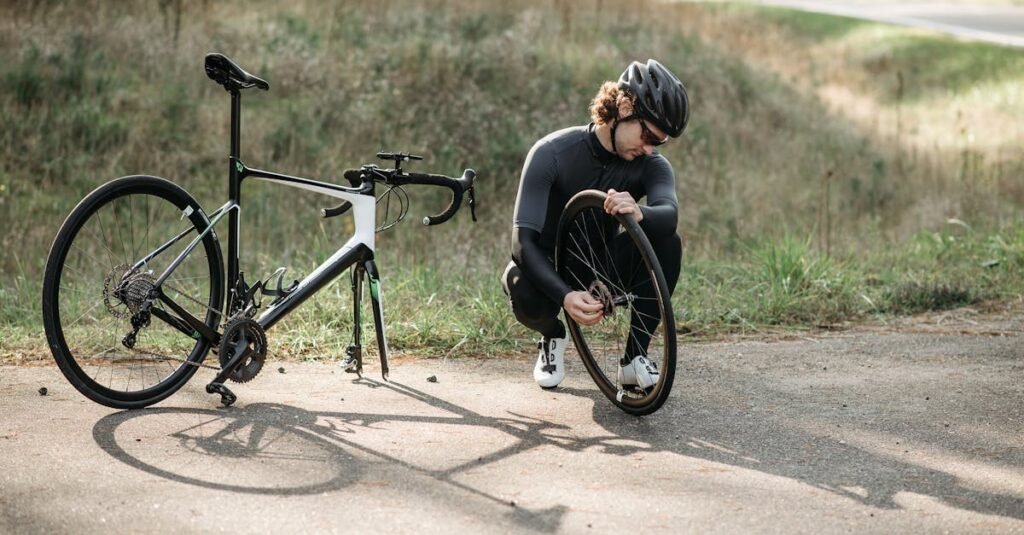
Testing Your Bike
Learn Road, Race And Mountain Repairs

- Work through chapters organized by the bike’s mechanical systems for easy learning
- Get a 150-page illustrated manual to reference while you work in your home setup
- Use easy-to-follow demonstrations that make daunting tasks feel manageable
After fitting a new chain, it is essential to ensure everything works smoothly. Begin by checking the drivetrain for any unusual noises or hesitations. A simple test involves pedaling the bike in a controlled environment. Listen for any grinding sounds and feel for any rough spots as you shift through the gears. Smooth transitions indicate a successful installation, while any irregularities might signal the need for further adjustments.
Next, conduct a brief test ride on a flat surface. This allows you to verify how well the chain performs under normal riding conditions. Pay attention to the responsiveness when shifting gears. If the bike struggles to shift or skips gears, the chain may not be compatible with the drivetrain or may require tension adjustment. Keep a close eye on the overall feel of the bike as well; it should feel natural and comfortable as you ride.
Conducting a Test Ride
After replacing your bicycle chain, it’s essential to go on a test ride to ensure everything is functioning correctly. Start by checking the shifting performance in all gear combinations. Listen for any unusual noises like grinding or skipping that could indicate improper installation or chain tension issues. Pay attention to how smoothly the gears transition, as this reflects the overall compatibility and alignment of the new chain with your bike’s components.
During the ride, assess the bike’s overall feel and responsiveness while climbing, descending, and rolling on flat surfaces. A well-installed chain should enable seamless gear changes without any stuttering or hesitations. If any problems arise during this test, it might be necessary to revisit the installation process. Addressing these concerns early on can prevent longer-term damage and enhance your riding experience.
Inspecting Chain Compatibility
After installing a new chain on your bicycle, it is essential to check its compatibility with your existing gears. Different bicycles use various gears and chain types, and a mismatch can lead to poor performance or even damage. Verify that the chain you selected matches the speed rating of your drivetrain. Most bicycles will specify the number of gears on the cassette, enabling you to choose the right chain size and type.
Additionally, ensure that the chain width aligns with the design of your sprockets. A chain that is either too narrow or too wide risks skipping or misaligning during shifts, resulting in an inefficient ride. You can use a chain checker tool to measure the wear and compatibility while also confirming that the chain’s link style corresponds with your derailleurs. This step helps in maintaining smooth shifting and overall drivetrain efficiency.
Ensuring the Chain Fits Your Gears
A properly fitting chain is essential for smooth gear shifting and overall bike performance. An ill-fitting chain can lead to poor engagement with the gear teeth, resulting in skipping or slipping. To check compatibility, examine your current cassette and chainring sizes. This will help ensure that the new chain matches the specifications of your drivetrain.
When installing the new chain, ensure that it is the correct length. There should be minimal slack and no excess that could interfere with the gear mechanism. Adjustments may be necessary for different gears, particularly if you’re switching between single speed and multi-speed setups. Taking the time to ensure proper fit will lead to improved efficiency and a more enjoyable riding experience.
The Ultimate At-Home Bike MasterClass
- Repair and maintain road, race, and mountain bikes with guidance tailored to each
- Keep your bike running smoothly with cleaning and lubrication best practices
- Get support through video chat or email when you need help on a tricky step
Storing Your Bike Properly
Proper storage of your bike can greatly extend its lifespan and performance. Choose a dry, cool location that is protected from the elements. Indoor garages or a dedicated bike storage area are ideal. If indoor storage isn’t an option, consider using a waterproof cover to shield your bike from moisture and dirt. Keeping the bike off the ground with a bike stand or wall hook can prevent unwanted damage and corrosion.
To maintain the condition of the chain and components, regular maintenance is essential. Ensure the bike is clean and dry before storing it for an extended period. Periodically check the air pressure of the tires and inspect the chain for signs of rust or wear. Applying a light lubricant to the chain and ensuring it is properly tensioned can help minimize future issues. Investing in a good quality storage solution can further enhance the overall care of your bike.
Tips for Long-Term Chain Care
Regular cleaning is essential for maintaining your bicycle chain. Accumulated dirt and grime can lead to increased wear and tear, which shortens the chain’s lifespan. Use a chain cleaner tool or degreaser to remove any residue. After cleaning, thoroughly dry the chain before applying lubricant. This step helps in achieving better adhesion of the lubricant, ensuring it penetrates the links more effectively.
Proper lubrication is crucial for smooth chain operation and helps prevent rust and corrosion. Choose a lubricant specifically designed for bike chains, as it will provide the necessary protection without attracting excessive dirt. Apply the lubricant evenly while turning the pedals backward, allowing it to coat all sides of the chain. Wipe off any excess after a few minutes to prevent buildup that can attract debris. Regular attention to these details will enhance both performance and longevity.
FAQS
How long should I wait before conducting a test ride after replacing my bicycle chain?
You can conduct a test ride immediately after replacing your bicycle chain, but it’s advisable to perform a quick inspection and ensure everything is properly installed first.
What should I look for during a test ride after replacing my chain?
During your test ride, pay attention to how smoothly the gears shift, listen for any unusual noises, and check for any skipping or slipping of the chain.
How can I ensure my new chain is compatible with my bike’s gears?
To ensure compatibility, check the chain’s specifications, including its width and speed rating, and match these with your bike’s drivetrain requirements.
What are some signs that my chain may not be fitting correctly with my gears?
Signs of incorrect chain fitting include difficulty shifting gears, chain skipping, and excessive noise during pedaling. If you notice these issues, re-inspect the installation.
What are the best practices for long-term care of my bicycle chain?
For long-term care, regularly clean and lubricate your chain, check for wear and deterioration, and store your bike in a dry place away from direct sunlight to prevent rust and damage.
Related Links
Why Regular Chain Replacement is Essential for Bike Longevity
What to Consider When Choosing a New Bicycle Chain
Upgrade And Maintain Any Bicycle
- Keep your bike running smoothly with cleaning and lubrication best practices
- Benefit from three different instructors and teaching styles across three bike types
- Make bike maintenance feel practical, organized, and doable from home