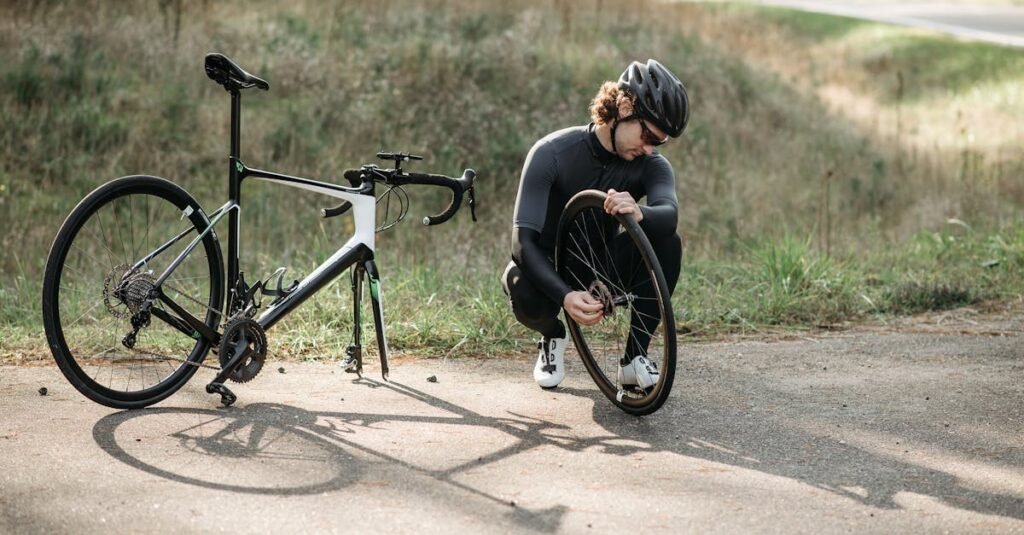
Maintenance and Care Requirements
Learn Road, Race And Mountain Repairs

- Work through chapters organized by the bike’s mechanical systems for easy learning
- Get a 150-page illustrated manual to reference while you work in your home setup
- Use easy-to-follow demonstrations that make daunting tasks feel manageable
Proper maintenance is essential for ensuring a bicycle chain functions optimally over time. Regular cleaning helps remove dirt and debris that can cause wear. Lubricating the chain is equally important, as it reduces friction and prevents rust. It’s advisable to inspect the chain periodically for signs of stretch or damage. Catching issues early can save time and money in the long run.
Consider developing a routine maintenance schedule to keep your chain in good condition. Depending on the riding conditions and frequency, cleaning and lubrication may be needed more often. Using the right tools for maintenance can make the process easier and more effective. A well-maintained chain not only improves performance but also contributes to a smoother and safer ride.
Tips for Keeping Your Chain in Top Shape
Regular cleaning is essential for maintaining your bicycle chain. Dirt, grime, and debris can accumulate and lead to premature wear. Use a dedicated chain cleaner or degreaser and a brush to remove buildup. After cleaning, rinse with water and dry thoroughly to prevent rust. Applying lubricant is equally important. Choose a lubricant designed for your riding conditions, whether it’s dry or wet. Proper lubrication reduces friction and prolongs the life of the chain.
Monitoring chain wear is also crucial. A chain checker tool can help you assess wear levels and determine when it’s time for a replacement. Keeping your chain properly tensioned ensures consistent performance and can prevent it from slipping. Make it a habit to inspect your chain regularly, especially before long rides. This proactive approach will not only enhance your riding experience but also protect the health of other components like gears and derailleurs.
Cost vs. Performance
When selecting a new bicycle chain, assessing both cost and performance is essential. Higher-priced chains often incorporate advanced materials and technology that enhance durability and shifting performance. However, this doesn’t mean that budget options are ineffective. Many mid-range chains provide solid performance and longevity for recreational cyclists seeking good value.
Balancing quality and budget requires careful consideration of your specific riding needs. Competitive cyclists may prioritize performance and are willing to invest more, while casual riders might focus on affordability without sacrificing necessary durability. Understanding how often you ride and the conditions you face will help determine the best fit for your needs, ensuring that you select a chain that effectively meets your cycling demands without breaking the bank.
Balancing Quality and Budget
When selecting a new bicycle chain, it’s important to find a balance between quality and budget. High-quality chains often feature advanced materials and superior engineering, which can enhance performance and longevity. However, more affordable options can still provide satisfactory results, making it essential to evaluate what you need based on your riding style and frequency.
Additionally, consider how much you ride and the conditions you typically encounter. If you ride frequently or in harsh environments, investing in a premium chain may yield better long-term value. For casual cyclists, a budget-friendly chain might meet your needs without unnecessary expenditures. Always weigh the potential trade-offs between durability and cost before making a final decision.
The Ultimate At-Home Bike MasterClass
- Repair and maintain road, race, and mountain bikes with guidance tailored to each
- Keep your bike running smoothly with cleaning and lubrication best practices
- Get support through video chat or email when you need help on a tricky step
Brand Reputation and Reliability
Choosing a bicycle chain from a reputable brand can make a significant difference in performance and longevity. Established manufacturers often invest in research and development, leading to innovations in materials and design that enhance durability and efficiency. Customer reviews and industry ratings can provide insight into a brand’s track record, helping cyclists make informed decisions about which chains to trust for their bikes.
Reliability is not just about brand reputation; it also stems from consistent quality in manufacturing processes. Brands that prioritize stringent quality control measures tend to produce better chains. Examining warranties and guarantees can also give clues about a company’s confidence in its products. A brand that stands behind its offerings often reflects a commitment to customer satisfaction and long-term reliability.
Researching Trusted Chain Manufacturers
When choosing a new bicycle chain, it’s crucial to consider manufacturers known for their high-quality products. Established brands often have a track record of reliability and durability, which can significantly impact your cycling experience. Look for companies that specialize in bicycle components, as they are more likely to pay attention to the details important for performance and longevity. Customer reviews and testimonials can provide valuable insight into the satisfaction of other cyclists with specific chain models.
Additionally, seeking out recommendations from local bike shops or cycling forums can lead to discovering trusted brands that may not be widely recognized. Researching the warranty or satisfaction guarantees offered by manufacturers can also be an indicator of their confidence in their products. Commit to investigating the materials and technologies utilized in the chain’s construction, as these factors often differentiate premium options from less reliable ones.
FAQS
How often should I replace my bicycle chain?
It’s generally recommended to replace your bicycle chain every 1,500 to 2,000 miles, but this can vary based on factors like riding conditions and maintenance habits.
What maintenance is required for a bicycle chain?
Regular maintenance includes cleaning the chain to remove dirt and grime, lubricating it to reduce friction, and checking for wear or damage at least once a month.
How do I know if my bicycle chain is worn out?
You can check for wear using a chain checker tool, which measures the elongation of the chain. If it exceeds the manufacturer’s recommended limit, it’s time for a replacement.
Are expensive bicycle chains always better?
Not necessarily. While higher-priced chains often offer better performance and durability, it’s important to balance quality with your budget and riding style.
What brands are known for reliable bicycle chains?
Some reputable brands include Shimano, SRAM, and KMC. Researching reviews and user feedback can help you choose a trusted chain manufacturer.
Related Links
What to Do After Replacing Your Bicycle Chain
How to Identify When a Chain Needs Replacement
Upgrade And Maintain Any Bicycle
- Keep your bike running smoothly with cleaning and lubrication best practices
- Benefit from three different instructors and teaching styles across three bike types
- Make bike maintenance feel practical, organized, and doable from home