Choosing Quality Replacement Parts
Learn Road, Race And Mountain Repairs
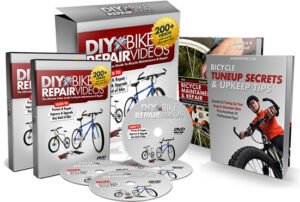
- Work through chapters organized by the bike’s mechanical systems for easy learning
- Get a 150-page illustrated manual to reference while you work in your home setup
- Use easy-to-follow demonstrations that make daunting tasks feel manageable
Quality replacement parts are crucial for maintaining a vehicle’s suspension system. The right parts ensure optimal performance and longevity, reducing the risk of further issues down the road. When selecting replacement components, it’s essential to consider the manufacturer’s specifications as well as customer reviews. Checking the reputation of the brand will also play a significant role in your decision, as well-made parts tend to perform better under stress.
Choosing parts that are designed specifically for your vehicle’s make and model can make a noticeable difference. Generic or poorly made alternatives might save money initially but could lead to more significant expenses due to frequent replacements or repairs. Investing in high-quality components not only improves ride comfort and handling but also enhances overall safety. It’s important to weigh the benefits of reputable brands over lower-cost options that may lack durability.
Factors to Consider When Shopping
When shopping for replacement parts, it is essential to prioritize compatibility with your vehicle’s make and model. This ensures that the components will fit properly and perform optimally. Check manufacturer specifications and consult your vehicle’s manual to avoid any mismatches. Quality is equally important; opting for trusted brands can make a significant difference in durability and performance.
Additionally, consider the specific driving conditions you encounter. For those who drive in rough terrains, investing in heavy-duty components might be wise. Look for parts that offer warranties or guarantees, as this can reflect the manufacturer’s confidence in their product. Reviews and recommendations from fellow vehicle owners can also provide insight into the performance and reliability of various options in the market.
DIY Suspension Maintenance Tips
Keeping your suspension in good condition is manageable with some basic knowledge and a few essential tools. Start by inspecting shock absorbers and struts regularly for leaks or wear. Look for any visible damage, such as cracks or dents. Replace worn parts promptly to maintain optimal performance. Regularly check the coil springs for any signs of sagging or breakage, as these can affect overall ride quality.
Utilizing the correct tools is crucial for effective DIY maintenance. A quality socket set and wrenches will help in removing and replacing components. A jack and jack stands provide safe access to critical parts of the suspension system. Consider investing in a torque wrench to ensure that all fasteners are tightened to manufacturer specifications, preventing issues that can arise from loose components. Following a maintenance schedule will help keep your suspension functioning smoothly for years to come.
Essential Tools and Techniques
Having the right tools can significantly streamline your suspension maintenance tasks. A basic toolkit should include a torque wrench for precise tightening of nuts and bolts, as well as a socket set for various fasteners. Additionally, a spring compressor is essential for safely handling and replacing coil springs. Other handy tools are pliers, screwdrivers, and a set of allen wrenches. These items enable efficient disassembly and reassembly of suspension components.
Techniques play a crucial role in ensuring the longevity and performance of your suspension system. Regularly inspecting parts for wear and tear helps identify issues before they escalate. When replacing components, adhering to manufacturer specifications for torque settings is vital. Proper cleaning and lubrication of moving parts can prevent corrosion and minimize friction. Utilizing a service manual specific to your vehicle can provide valuable guidance on maintenance procedures and best practices tailored to your suspension system.
The Ultimate At-Home Bike MasterClass
- Repair and maintain road, race, and mountain bikes with guidance tailored to each
- Keep your bike running smoothly with cleaning and lubrication best practices
- Get support through video chat or email when you need help on a tricky step
Professional Suspension Services
For optimal performance and safety, some suspension issues require the expertise of professionals. Experienced technicians possess the knowledge and tools to diagnose complex problems that may not be apparent to the untrained eye. They can also provide comprehensive services, including complete suspension rebuilds, alignments, and adjustments that ensure your vehicle operates smoothly.
Choosing a reputable service provider is crucial. Look for shops that specialize in suspension work and have positive customer reviews. Certifications and warranties can also indicate a commitment to quality. Engaging professionals not only enhances suspension durability but also prevents costly mistakes that may arise from inadequate repairs.
When to Seek Expert Help
Understanding when to seek professional assistance is crucial for maintaining vehicle suspension. If you notice unusual noises while driving, such as clunking or grinding, it may indicate worn components. Deterioration of handling performance, like excessive bouncing or swaying during turns, can signal issues that require expert diagnosis. Ignoring these symptoms could lead to further complications, potentially compromising safety.
Another indicator that professional intervention is necessary includes visible signs of wear, such as leaking shock absorbers or broken springs. It’s advisable to consult with certified mechanics or suspension specialists if you’re unsure about performing repairs yourself. They possess the knowledge and tools needed for thorough inspections. Regular check-ups by professionals can ensure that your suspension system remains in optimal condition.
FAQS
What should I look for when choosing replacement parts for my suspension?
When choosing replacement parts for your suspension, consider factors such as compatibility with your vehicle, quality of materials, brand reputation, and warranty offerings. It’s important to select parts that meet or exceed OEM (Original Equipment Manufacturer) specifications for optimal performance.
What are some essential tools needed for DIY suspension maintenance?
Essential tools for DIY suspension maintenance typically include a jack and jack stands, wrenches and sockets, a torque wrench, pliers, and possibly a spring compressor. Additionally, having a good set of safety gear, like gloves and goggles, is recommended for protection while working.
How often should I perform suspension maintenance on my vehicle?
Suspension maintenance should be performed regularly, typically every 30,000 to 50,000 miles, or as specified in your vehicle’s owner manual. However, it’s important to inspect your suspension more frequently if you notice any signs of wear or if you drive in harsh conditions.
What are common signs that I need professional suspension services?
Common signs that you may need professional suspension services include excessive bouncing or swaying while driving, uneven tire wear, fluid leaks from the shock absorbers, or difficulty steering. If you experience any of these issues, it’s best to consult a professional.
Can I perform suspension maintenance myself, or should I hire a professional?
You can perform suspension maintenance yourself if you have the right tools, knowledge, and experience. However, for complex repairs or if you’re unsure about the process, hiring a professional is advisable to ensure safety and proper handling of your vehicle’s suspension system.
Related Links
Review of Top Suspension Tools for the Home Mechanic
7 Essential Tips for Effective Suspension Overhaul
Upgrade And Maintain Any Bicycle
- Keep your bike running smoothly with cleaning and lubrication best practices
- Benefit from three different instructors and teaching styles across three bike types
- Make bike maintenance feel practical, organized, and doable from home