Inspecting Components
Learn Road, Race And Mountain Repairs
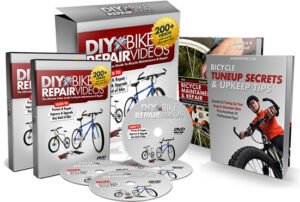
- Work through chapters organized by the bike’s mechanical systems for easy learning
- Get a 150-page illustrated manual to reference while you work in your home setup
- Use easy-to-follow demonstrations that make daunting tasks feel manageable
Regular inspection of suspension components is crucial for maintaining vehicle performance and safety. Begin by checking the condition of shock absorbers or struts. Look for signs of leakage or physical damage. Inspect springs for cracks or deformities. Examine control arms, bushings, and ball joints for wear or looseness. Each component’s integrity directly affects handling and ride quality.
Taking the time to inspect mounts and linkages can reveal hidden issues that may not be immediately apparent. Noise during operation often signals problems that require attention. Use a pry bar to test for movement in bushings and joints. While conducting the inspection, document any findings. This will streamline the process of replacing parts later and ensure that no critical details are overlooked.
What to Look for During Inspection
Start by checking for signs of wear and tear on the suspension components. Look for any visible cracks or deformation in the arms, struts, and mounts. Inspect bushings for signs of deterioration, such as cracking or separation. A thorough examination can reveal whether parts are still functioning correctly or if they need replacement.
Next, assess the condition of the shock absorbers and springs. Look for leaks on the shock body, which often indicate internal damage. Ensure that the springs are free from rust and have not lost their tension. Pay attention to any unusual noises when compressing the suspension system. These signs can help identify issues that could affect the vehicle’s ride quality and safety.
Replacing Damaged Parts
Identifying the right components to replace is crucial for the suspension overhaul process. Once damaged parts are located, they must be assessed for their impact on overall performance. Components such as bushings, ball joints, and shock absorbers should be evaluated carefully. Replacement should occur if signs of wear or damage are evident. Ignoring these can lead to larger issues down the road.
When selecting parts, quality should take precedence over cost. It may be tempting to choose cheaper alternatives, but investing in high-quality components ensures longevity and reliability. Research reputable brands that are known for their durability. Consider the specifications required for your particular vehicle model. Proper fitment is essential for optimal functionality.
Choosing Quality Replacement Components
When selecting replacement components for a suspension system, prioritize materials known for their durability and performance. Look for parts made from high-strength steel or advanced composites, as these materials offer resilience against wear and tear during driving. Additionally, investigate the manufacturer’s reputation within the industry to ensure that they adhere to strict quality control standards.
It is also vital to consider the compatibility of the components with your vehicle. Using parts specifically designed for your make and model can prevent issues and enhance overall performance. Pay attention to warranties and guarantees offered by manufacturers, as these indicate confidence in the product’s reliability. Investing in quality components not only improves safety but also contributes to the longevity of the suspension system.
The Ultimate At-Home Bike MasterClass
- Repair and maintain road, race, and mountain bikes with guidance tailored to each
- Keep your bike running smoothly with cleaning and lubrication best practices
- Get support through video chat or email when you need help on a tricky step
Reassembly Techniques
Proper reinstallation of suspension components requires careful attention to detail. Ensure that all parts are clean and free of debris before beginning the process. Utilize the manufacturer’s specifications for torque settings when tightening bolts and screws. This step is crucial as over-tightening can lead to damage, while under-tightening can lead to loose components that compromise safety.
When assembling, organize components methodically to avoid confusion. It helps to lay out parts in the order of installation, making it easier to check off each piece as it is installed. Pay special attention to alignment during reassembly, ensuring everything fits snugly without forcing parts together. Following a systematic approach will prevent issues later and contribute to a smoother operation of the suspension system.
Tips for Proper Reinstallation
Proper alignment of all components is essential during the reinstallation process. Ensure that each part fits snugly without forcing any components together. Using a torque wrench is advisable when tightening bolts, as this helps in applying the correct amount of force without risking damage. Following the manufacturer’s specifications for torque settings will help maintain integrity and performance.
Additionally, take the time to double-check all connections and fasteners before finishing up. A checklist can be beneficial in this regard, ensuring that no crucial steps are overlooked. It’s wise to re-examine the suspension geometry if applicable. Completing a final inspection after reassembly can prevent issues and enhance the overall performance of the suspension system.
FAQS
What are the key components to inspect during a suspension overhaul?
Key components to inspect include shocks and struts, springs, control arms, bushings, and ball joints. Look for signs of wear, leaks, rust, or damage.
How can I tell if my suspension parts need replacing?
If you notice excessive noise, poor handling, uneven tire wear, or a rough ride, it may indicate that your suspension parts need replacing.
What should I consider when choosing replacement components for my suspension?
Consider factors such as quality, compatibility with your vehicle, warranty options, and whether the parts are OEM (Original Equipment Manufacturer) or aftermarket.
Are there specific techniques for reassembling suspension components?
Yes, techniques include ensuring all parts are clean, using the correct torque specifications, and double-checking alignment and positioning before tightening bolts.
Can I perform a suspension overhaul myself, or should I hire a professional?
If you have experience with automotive repairs, you may be able to perform a suspension overhaul yourself. However, if you are uncertain or lack the proper tools, hiring a professional is advisable for safety and reliability.
Related Links
Roundup of Best Practices for Suspension Maintenance
Why Upgrading Your Suspension Can Enhance Your Riding Experience
Upgrade And Maintain Any Bicycle
- Keep your bike running smoothly with cleaning and lubrication best practices
- Benefit from three different instructors and teaching styles across three bike types
- Make bike maintenance feel practical, organized, and doable from home