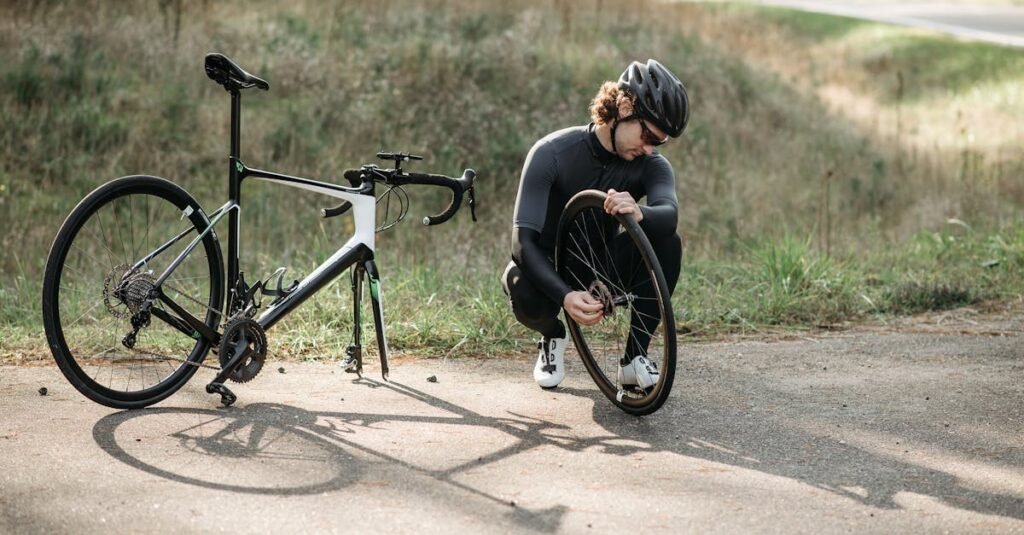
Rust and Corrosion on the Chain
Learn Road, Race And Mountain Repairs

- Work through chapters organized by the bike’s mechanical systems for easy learning
- Get a 150-page illustrated manual to reference while you work in your home setup
- Use easy-to-follow demonstrations that make daunting tasks feel manageable
The presence of rust and corrosion on a bike chain is a clear indicator that it’s time for a replacement. These signs are often the result of prolonged exposure to moisture and neglect. Rust can begin to inhibit the chain’s movement, compromising its ability to function smoothly. When rust infiltrates the chain, it not only impacts its performance but also can lead to further degradation of surrounding components, such as the cassette and chainrings.
Corrosion can create roughness along the chain links, making pedaling less efficient. In severe cases, it can lead to the chain breaking during use, posing not only a performance issue but also a safety concern. Regular inspections can help identify these issues early. Addressing rust as soon as it appears can save cyclists from more significant problems down the line.
Importance of Chain Maintenance
Regular chain maintenance is essential for optimal performance and longevity of your bike. A well-maintained chain can help prevent premature wear on other components, such as the cassette and chainrings. Cleaning and lubricating the chain can reduce friction and enhance shifting capabilities. Ignoring these tasks can lead to decreased efficiency and greater wear over time.
Moreover, routine inspection allows you to identify early signs of damage or wear. Catching minor issues before they escalate can save you time and money on extensive repairs. A proactive approach to maintenance ensures a smoother ride and contributes to a safer biking experience. Prioritizing chain care is key to enjoying your bike to its fullest potential.
Reduced Performance and Speed
A noticeable decline in performance can be a significant indicator that a chain requires replacement. When a chain loses its flexibility and exhibits signs of wear, it struggles to maintain the smooth transfer of power from the pedals to the wheels. Riders might find it challenging to achieve optimal speeds, affecting their overall cycling experience. Acceleration may feel sluggish, and even steady riding might demand more effort than it should.
Beyond the immediate physical sensations, reduced performance can have long-term implications for a bike’s efficiency. A worn chain can lead to uneven wear on the sprockets and other components, exacerbating performance issues and potentially resulting in costly repairs. Monitoring how your bike responds under various riding conditions can provide valuable insights regarding the chain’s condition. Addressing performance declines promptly helps in maintaining the overall health of the bicycle.
How Chain Condition Affects Overall Performance
The condition of a bike chain plays a critical role in its overall performance. A well-maintained chain contributes to smoother gear shifts and enhanced efficiency while pedaling. When the chain begins to show signs of wear or damage, riders may experience increased friction, which can lead to a decrease in speed and responsiveness. This degradation often manifests in the need for more effort to achieve the same level of performance, resulting in potential frustration for cyclists.
Additionally, a chain in poor condition can place added stress on other components of the bike, such as the derailleur and cassette. As these parts struggle to function optimally due to chain issues, it can lead to even greater wear and necessitate expensive repairs or replacements. Regular inspections and timely replacements of the chain can prevent a cascade of performance-related problems, ensuring a smoother ride and prolonging the life of the bike’s drivetrain.
The Ultimate At-Home Bike MasterClass
- Repair and maintain road, race, and mountain bikes with guidance tailored to each
- Keep your bike running smoothly with cleaning and lubrication best practices
- Get support through video chat or email when you need help on a tricky step
Chain Links Are Stiff
Stiff chain links can significantly hinder the efficiency of bicycle operation. When the links fail to move freely, it can lead to jerky motion or skipping, which compromises not only the rider’s comfort but also the overall riding experience. This stiffness is often indicative of accumulated dirt, grime, or a lack of proper lubrication. Regular attention to maintenance and cleaning routines can prevent these issues, ensuring that the chain remains flexible and functional.
The performance of the entire drivetrain can be adversely affected if the chain links are not operating smoothly. Increased resistance in the chain can lead to higher strain on other components, potentially resulting in premature wear and tear. This interconnectedness emphasizes the importance of monitoring chain flexibility as part of broader maintenance practices, ultimately contributing to a more enjoyable and efficient ride.
The Impact of Stiff Links on Functionality
Stiff links in a chain can significantly impede the overall functionality of your bicycle. When the links cannot move freely, it creates additional friction in the drivetrain. This friction leads to inefficient power transfer from the pedals to the wheels, causing sluggish acceleration and a less responsive ride.
Regularly operating a bicycle with stiff links can result in premature wear on other components, such as the sprockets and derailleurs. This can ultimately lead to more costly repairs and a decrease in the lifespan of the entire system. Recognizing and addressing stiff links early on helps maintain an optimal riding experience and prolongs the efficiency of your bike’s drivetrain.
FAQS
What are the common signs that indicate it’s time to replace a chain?
Common signs include rust and corrosion on the chain, reduced performance and speed, stiff chain links, excessive wear, unusual noises, chain skipping, frequent adjustments, chain stretch, visible damage, and poor tension.
How can rust and corrosion affect my chain’s performance?
Rust and corrosion can weaken the chain material, leading to potential breakage and reduced efficiency during operation. This deterioration can also cause increased friction, making it harder for the chain to function properly.
Why is chain maintenance important for performance?
Regular chain maintenance is crucial for ensuring optimal performance and longevity. It helps reduce wear and tear, prevents rust and corrosion, and maintains proper tension, contributing to smoother and more efficient operation.
What does it mean if my chain links are stiff?
Stiff chain links indicate that the chain is not moving freely, which can hinder its functionality. This stiffness can lead to increased wear on the chain and other components, resulting in reduced performance and the need for replacement.
How often should I inspect my chain for signs of wear?
It’s advisable to inspect your chain regularly, ideally after every few rides or at least once a month. Frequent inspections will help you catch any potential issues early and ensure your chain remains in good condition.
Related Links
Review of Top Bicycle Chains for Performance
Historical Evolution of Bicycle Chains
Upgrade And Maintain Any Bicycle
- Keep your bike running smoothly with cleaning and lubrication best practices
- Benefit from three different instructors and teaching styles across three bike types
- Make bike maintenance feel practical, organized, and doable from home