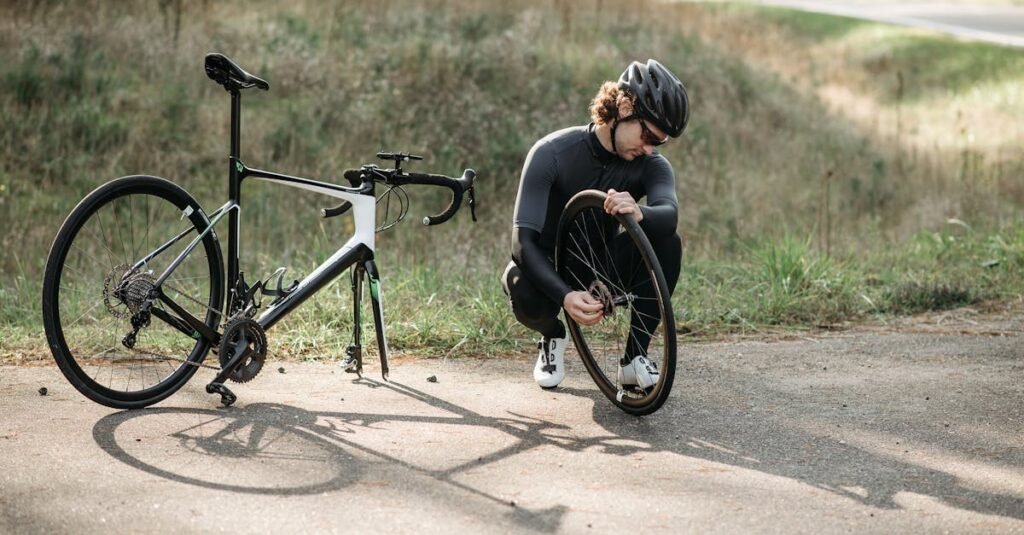
The Rise of Single-Speed and Fixed-Gear Bikes
Learn Road, Race And Mountain Repairs

- Work through chapters organized by the bike’s mechanical systems for easy learning
- Get a 150-page illustrated manual to reference while you work in your home setup
- Use easy-to-follow demonstrations that make daunting tasks feel manageable
The rise of single-speed and fixed-gear bicycles marked a significant shift in cycling culture, emphasizing simplicity and minimalism. These bikes typically feature just one gear ratio, allowing riders to experience a greater connection to the mechanics of cycling. The streamlined design appeals to urban commuters who prefer lightweight, easy-to-maintain options for navigating city streets. As cities became more bike-friendly, riders embraced this straightforward approach to cycling, often personalizing their bikes with vibrant colors and unique accessories.
Adopting single-speed and fixed-gear bikes also reflects changing attitudes towards fitness and transportation. Many enthusiasts appreciate the urgency and challenge of constant pedaling without the option to coast. This approach offers a distinct form of exercise, fostering a sense of community among riders who enjoy the thrill of the ride and the aesthetic appeal of their machines. The popularity of these bicycles has catalyzed a resurgence in local bike shops and customization services, further embedding them into contemporary cycling culture.
Simplifying the Chain Mechanism
The progression of bicycle chains has often centered on the quest for simplicity in design and operation. Early bicycle chains featured intricate mechanisms that could be cumbersome and difficult to maintain. As cycling gained popularity, manufacturers began to focus on reducing the complexity of chain systems. This led to the adoption of simpler chain structures that were easier to install, repair, and replace. The emphasis on user-friendly designs significantly contributed to the accessibility of cycling for a broader audience.
Various innovations emerged in response to the need for efficiency during rides. With the advent of single-speed and fixed-gear bicycles, there was a push to streamline the chain without sacrificing performance. This shift allowed for a reduction in the number of components, resulting in lighter bicycles. Consequently, riders benefited from less maintenance while enjoying a more straightforward riding experience. The evolution in chain design reflected a broader trend in the cycling world, emphasizing both functionality and practicality.
The Impact of Technology on Chain Maintenance
Technological advancements have significantly influenced how cyclists maintain their bicycle chains. The introduction of advanced lubricants has streamlined the maintenance process, allowing for better protection against dirt and corrosion. These lubricants often come in formulations specifically designed for various riding conditions, providing cyclists with tailored solutions to keep their chains running smoothly.
Additionally, the rise in digital tools has transformed traditional maintenance practices. Mobile apps now enable users to track their chain wear and receive reminders for necessary maintenance tasks. These innovations not only improve efficiency but also help extend the lifespan of chains, making cycling more enjoyable and cost-effective for enthusiasts across various levels.
Innovations for Longevity and Efficiency
Recent advancements in materials and engineering have significantly enhanced the durability and efficiency of bicycle chains. Manufacturers have started utilizing high-tensile-strength alloys and advanced coatings that resist wear and corrosion. These innovations not only extend the lifespan of bicycle chains but also improve performance by decreasing friction. The introduction of lightweight materials contributes to a more responsive riding experience, allowing cyclists to engage more actively with their bicycles.
Additionally, the design of modern chains has been refined to facilitate easier maintenance and cleaning. Innovations such as O-ring technology have emerged, which seals lubricant within the chain links and protects against dirt and grit. This design choice helps to minimize the frequency of maintenance, as chains equipped with O-rings retain their integrity over time. Cyclists can enjoy longer rides without the constant worry of breakdowns, making these advances a game-changer for both casual riders and competitive cyclists alike.
The Ultimate At-Home Bike MasterClass
- Repair and maintain road, race, and mountain bikes with guidance tailored to each
- Keep your bike running smoothly with cleaning and lubrication best practices
- Get support through video chat or email when you need help on a tricky step
Modern Chain Designs
The development of modern bicycle chains has been significantly influenced by advancements in materials and engineering techniques. Manufacturers increasingly turn to proprietary alloys and coatings to enhance durability and reduce friction. This shift not only improves performance but also minimizes maintenance requirements for cyclists. Innovations such as hollow-pin designs and ultra-light constructions have emerged, appealing to competitive riders seeking to reduce weight without sacrificing strength.
Sealed and O-ring chain designs have become popular in recent years, particularly for their ability to withstand harsh environments and extend service life. These chains feature internal seals that trap lubricant while preventing dirt and moisture from entering the mechanisms. This design mitigates wear and tear, offering a more reliable option for various riding conditions. As riders demand more from their equipment, modern chain designs continue to evolve, balancing performance and longevity effectively.
The Evolution of Sealed and O-Ring Chains
Sealed and O-ring chains have transformed the landscape of bicycle mechanics, introducing features that significantly enhance durability and performance. These designs incorporate rubber seals that protect the lubrication within the chain links, preventing dirt and grime from causing wear and degradation. This innovation allows for longer intervals between maintenance, which appeals to both recreational cyclists and competitive riders wishing to maintain peak performance without the hassle of frequent upkeep.
Additionally, the introduction of O-ring technology was particularly influential in the realm of off-road biking and motorcycle applications. By reducing friction and improving efficiency, these chains contribute to a smoother ride and prolong the lifespan of both the chain and the overall drivetrain. As manufacturers continue to refine these technologies, we see a shift in focus toward lightweight materials and specialized coatings, further advancing the performance characteristics of modern bicycle chains.
FAQS
What are single-speed and fixed-gear bikes?
Single-speed bikes have only one gear ratio, making them simple and easy to maintain, while fixed-gear bikes, or “fixies,” have a single gear that is directly connected to the pedals, meaning the rider cannot coast.
How have bicycle chains evolved over time?
Bicycle chains have evolved from simple link designs to more complex systems that incorporate innovations such as sealed and O-ring chains, which enhance durability and performance.
What advancements have been made in chain maintenance technology?
Recent advancements in chain maintenance include the development of specialized lubricants, tools for precise adjustments, and innovations that improve resistance to dirt and wear, all aimed at extending the life of the chain.
What are sealed and O-ring chains, and how do they differ from traditional chains?
Sealed chains utilize a design that keeps lubrication inside the chain links, while O-ring chains have rubber seals that prevent dirt and debris from entering the chain, both contributing to a longer lifespan and better performance compared to traditional chains.
Why is it important to understand the historical evolution of bicycle chains?
Understanding the historical evolution of bicycle chains helps cyclists appreciate the technological advancements that have improved efficiency, durability, and overall cycling experience, enabling better maintenance and informed purchasing decisions.
Related Links
10 Signs It’s Time for a Chain Replacement
Why You Should Trust Professionals for Chain Replacement
Upgrade And Maintain Any Bicycle
- Keep your bike running smoothly with cleaning and lubrication best practices
- Benefit from three different instructors and teaching styles across three bike types
- Make bike maintenance feel practical, organized, and doable from home