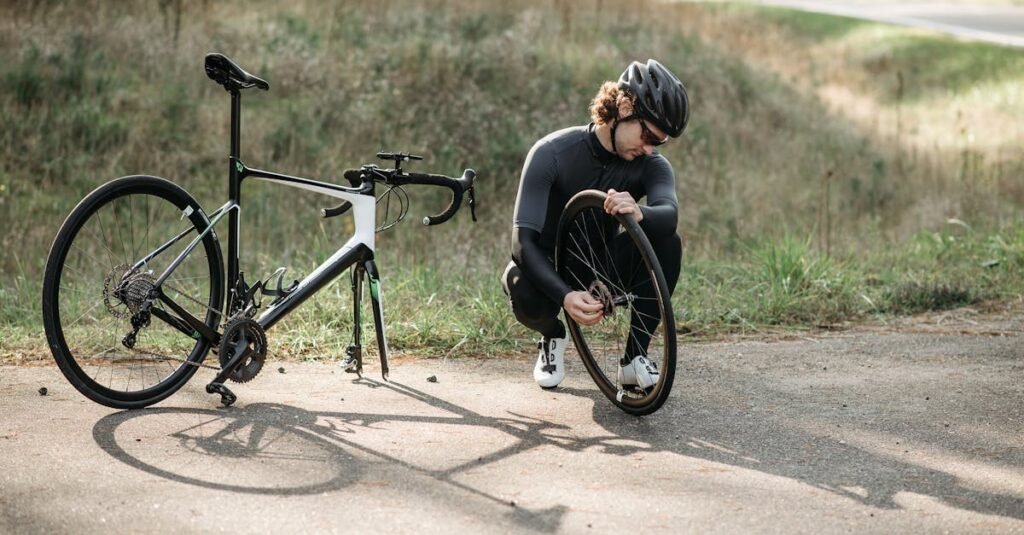
Benefits of Regular Wheel Truing
Learn Road, Race And Mountain Repairs

- Work through chapters organized by the bike’s mechanical systems for easy learning
- Get a 150-page illustrated manual to reference while you work in your home setup
- Use easy-to-follow demonstrations that make daunting tasks feel manageable
Regular wheel truing enhances the overall stability of the bike. By maintaining a straight wheel, riders experience reduced vibrations and a more comfortable ride. This stability is crucial when navigating various terrains, especially during sharp turns or while riding at higher speeds. Additionally, a properly trued wheel ensures that the tire makes even contact with the ground, leading to improved traction and handling.
Another significant advantage lies in the prevention of premature wear on components. Misaligned wheels can cause uneven tire wear, leading to more frequent replacements. This misalignment may also put additional strain on other parts of the bike, such as the brakes and drivetrain. Consistent wheel truing extends the life of these components, ultimately saving money on repairs and replacements over time.
Impact on Performance and Longevity
Wheels that are properly trued contribute significantly to a bike’s overall performance. When the alignment is maintained, riders experience greater efficiency with each pedal stroke. A well-trued wheel minimizes friction against brake pads and ensures smooth contact with the riding surface. This translates into better handling and responsiveness, particularly during high-speed descents or sharp turns.
Neglecting regular truing can lead to uneven wear and unnecessary strain on components. Misaligned wheels often result in a bumpy ride and can compromise the longevity of tires, hubs, and spokes. By ensuring that wheels are consistently trued, riders not only enhance their cycling experience but also extend the lifespan of crucial bike components, ultimately saving on future repair or replacement costs.
DIY Wheel Truing vs. Professional Services
Many cyclists consider attempting wheel truing on their own to save costs and gain hands-on experience. DIY wheel truing can be accomplished with some basic tools, including a truing stand and a spoke wrench. This approach allows riders to learn about the structure of their wheels and how adjustments affect performance. However, precise truing requires skill and knowledge, which may take time to develop. An improperly trued wheel can lead to further issues such as uneven wear, decreased performance, or even safety hazards during rides.
On the other hand, professional services provide expertise that many cyclists may not possess. Trained technicians use advanced tools and have extensive experience identifying and correcting wheel issues quickly and effectively. This can result in a higher level of precision and reliability. While professional services typically come at a cost, they often ensure that wheels are in optimal condition for safe riding. Ultimately, the choice between DIY and professional truing may depend on the rider’s comfort level, experience, and the specific demands of their cycling pursuits.
Weighing Your Options
Choosing between DIY wheel truing and seeking professional services involves several considerations. On one hand, attempting to true wheels at home can save money and allow for immediate repairs. This approach fosters a hands-on understanding of bike maintenance and can enhance the rider’s skill set. However, it requires the right tools and knowledge, which may not be accessible to every cyclist.
On the other hand, professionals bring expertise that can ensure wheels are trued correctly and safely. They have experience with various wheel types and can identify issues that a novice might overlook. Although this option can be more expensive, it often results in a higher quality of work. Riders should assess their own capabilities and the importance of proper truing when deciding how to proceed.
The Ultimate At-Home Bike MasterClass
- Repair and maintain road, race, and mountain bikes with guidance tailored to each
- Keep your bike running smoothly with cleaning and lubrication best practices
- Get support through video chat or email when you need help on a tricky step
Frequency of Wheel Truing
Regular maintenance of bike wheels contributes significantly to overall performance. Riders should check their wheels frequently for any signs of distortion or wear. Factors such as the type of riding, terrain, and frequency of use play a crucial role in determining how often truing is necessary. Commuters and casual riders may find it sufficient to perform checks every few months, while serious cyclists or those who often encounter rough surfaces might need to inspect their wheels weekly.
Establishing a consistent maintenance schedule is beneficial for all cyclists. Marking specific dates for inspection can help ensure that wheels remain in optimal condition. It’s also a good idea to inspect wheels before long rides or after significant changes in weather. This proactive approach minimizes the risk of accidents and prolongs the lifespan of both the wheels and the bike itself. Investing time in regular checks proves invaluable for maintaining a smooth and safe riding experience.
Establishing a Maintenance Schedule
A maintenance schedule for wheel truing is essential to ensure safety and performance. Regular inspections can catch any issues before they escalate into more serious problems. Riders should consider inspecting their wheels after any significant impact or every few months of active use. This proactive approach helps maintain optimal riding conditions.
It is beneficial to document inspections and service intervals. Keeping track of when truing last occurred can provide insight into how often it needs to be done based on riding habits and conditions. Riders who frequently encounter rough terrains may require more frequent truing compared to those on smooth, flat surfaces. Establishing a routine ensures wheels remain in good condition for a safer and more enjoyable riding experience.
FAQS
What is wheel truing and why is it important?
Wheel truing is the process of adjusting the spokes of a wheel to ensure it is straight and balanced. It is important because properly trued wheels improve bike performance, enhance riding safety, and extend the lifespan of both the wheels and tires.
How often should I get my wheels trued?
The frequency of wheel truing can vary based on riding conditions and style. As a general rule, it’s recommended to check your wheels for trueness every few months or after significant rides, especially if you frequently ride on rough terrain.
Can I true my wheels myself, or should I hire a professional?
You can true your wheels yourself if you have the right tools and some mechanical knowledge. However, hiring a professional is advisable for those who are inexperienced, as they can ensure the job is done correctly and safely.
What are the signs that my wheels need truing?
Signs that your wheels may need truing include wobbling while riding, uneven tire wear, or braking issues. If your bike feels unstable or you hear unusual noises from the wheel, it’s a good idea to check the trueness.
Is wheel truing a time-consuming process?
The time required for wheel truing can vary. A professional may take anywhere from 30 minutes to an hour, while a DIY truing might take longer if you’re learning the process. Regular maintenance can help reduce the time needed for adjustments.
Related Links
What to Do When Your Wheel Is Out of True
What to Know Before Truing a Wheel
Upgrade And Maintain Any Bicycle
- Keep your bike running smoothly with cleaning and lubrication best practices
- Benefit from three different instructors and teaching styles across three bike types
- Make bike maintenance feel practical, organized, and doable from home