Mountain Bike Tire Selection Tips: How to Choose the Right Tires for Your Ride
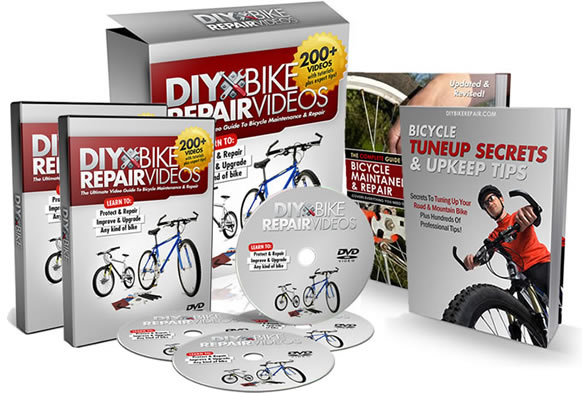
DIY Bike Repair
Looking for an honest, in-depth look at DIY Bike Repair? Below you’ll find a full review, but you can also check out the official page here:
Selecting the right mountain bike tires is crucial for optimizing your off-road performance, safety, and comfort. Whether you’re a seasoned rider or new to mountain biking, understanding the factors that influence tire choice will help you tackle trails more confidently. This guide covers essential mountain bike tire selection tips, including tire tread types, pressure advice, and recommendations for the best MTB tires for various conditions.
Disclosure: As an affiliate, I may receive a commission if you purchase through links on this page at no cost for you.
Why Tire Choice Matters for Mountain Biking
Your tires are the only contact point between your bike and the trail, so their design and setup directly impact traction, control, and ride efficiency. The wrong tire can lead to poor grip, increased punctures, or a harsh ride, while the right tire enhances your experience on rocks, mud, roots, or dry dirt.
Understanding Tire Tread Types
Tire treads vary widely and are designed for specific terrain and riding styles. Here are the main tread types to consider:
- Slick or Semi-Slick: Minimal tread, ideal for hard-packed and smooth surfaces. Offers low rolling resistance but less grip in loose or muddy conditions.
- Knobby Tires: Raised knobs provide better traction on loose, rocky, or muddy trails. The size, shape, and spacing of knobs affect grip and mud shedding.
- Intermediate Tread: A balanced design with moderate knobs for versatile performance across mixed terrain.
- Downhill/Enduro Tires: Aggressive tread with large, widely spaced knobs for maximum grip and durability on steep, technical descents.
Choosing the Right Tread for Your Trail
If you often ride on dry, packed trails, a semi-slick or low-profile tread will roll faster and save energy. For wet or loose terrain, opt for tires with larger, widely spaced knobs to maintain traction and shed mud. Aggressive tread types are best for technical downhill or enduro riding where control is paramount.
Tire Size and Width Considerations
Tire width affects traction, comfort, and rolling resistance. Wider tires (2.3” to 2.6” or more) provide better grip and cushioning but may add weight and rolling drag. Narrower tires are lighter and faster but less forgiving on rough trails.
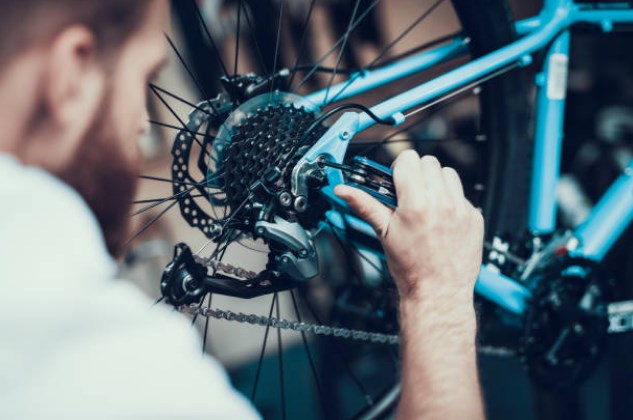
The diameter (commonly 27.5” or 29”) also influences handling and rollover capability. Larger wheels roll over obstacles more easily, while smaller wheels offer quicker acceleration and agility.
Tire Pressure Advice for Mountain Bikes
Proper tire pressure is vital for balancing traction, comfort, and puncture resistance. Here are some key tips:
- Lower Pressure for Better Grip: Lower tire pressure increases the contact patch, improving traction on loose or rocky terrain.
- Avoid Too Low Pressure: Excessively low pressure can cause rim damage or pinch flats, especially on rough trails.
- Higher Pressure for Speed: Hard-packed or smooth surfaces benefit from higher pressures that reduce rolling resistance.
- Adjust Based on Rider Weight and Terrain: Heavier riders or rocky trails may require slightly higher pressures for protection, while lighter riders can run lower pressures for better grip.
| Rider Weight | Trail Type | Pressure Range (psi) |
|---|---|---|
| Light (under 150 lbs) | Loose/Muddy | 18-22 |
| Light (under 150 lbs) | Hard-packed | 22-28 |
| Heavy (150+ lbs) | Loose/Muddy | 20-25 |
| Heavy (150+ lbs) | Hard-packed | 25-30 |
Additional Tips for Selecting the Best MTB Tires
- Consider Tubeless Setup: Tubeless tires reduce flats and allow you to run lower pressures safely.
- Check Tire Compound: Softer rubber compounds offer better grip but wear faster; harder compounds last longer but may sacrifice traction.
- Look for Durable Sidewalls: Reinforced sidewalls help prevent cuts and punctures on rocky trails.
- Match Tires Front and Rear: Using a grippier tire upfront and a faster-rolling tire at the rear can balance control and speed.
DIY Bike Repair: Maintain Your Tires Like a Pro
Knowing how to maintain and repair your tires is just as important as choosing the right ones. From fixing flats to adjusting tire pressure and inspecting tread wear, basic skills can save you time and money on the trail.
For comprehensive guidance, consider investing in a structured course that teaches you step-by-step bike maintenance and repair techniques. This will empower you to handle tire changes, pressure adjustments, and even upgrades with confidence.
Summary: Key Points for Mountain Bike Tire Selection
- Choose tire tread based on the terrain you ride most often.
- Consider tire width and diameter for comfort and handling.
- Adjust tire pressure to balance grip, comfort, and puncture resistance.
- Explore tubeless tires and durable sidewalls for better performance.
- Maintain and repair your tires regularly to extend their life.
With the right tires and proper maintenance knowledge, you’ll enjoy safer, faster, and more enjoyable mountain biking adventures. Ready to upgrade your skills and keep your bike in top shape?
Get Started with DIY Bike Repair Today
Ready to Take the Next Step?
If DIY Bike Repair sounds like the right fit after reading this review, you can visit the official page and see all the details straight from the vendor.