Hydraulic vs Cable Disc Brakes: A Complete Bike Brake Comparison
DIY Bike Repair
Looking for an honest, in-depth look at DIY Bike Repair? Below you’ll find a full review, but you can also check out the official page here:
Choosing the right braking system for your bike is crucial for safety, performance, and maintenance ease. Among the popular options, hydraulic and cable disc brakes stand out. This detailed bike brake comparison will help you understand the key differences, disc brake types, and the bike brake pros and cons so you can make an informed decision—especially if you’re into DIY bike repair.
Disclosure: As an affiliate, I may receive a commission if you purchase through links on this page at no cost for you.
Understanding Disc Brake Types
Disc brakes come in two main varieties: hydraulic and cable (mechanical). Both use a rotor attached to the wheel hub and calipers to squeeze the rotor and create stopping power. The difference lies in how the force is transmitted from the brake lever to the caliper.
- Hydraulic Disc Brakes: Use fluid-filled hoses to transfer pressure from the brake lever to the caliper. This system is sealed and self-adjusting.
- Cable Disc Brakes: Use a traditional steel cable that pulls the caliper arms when you squeeze the brake lever, similar to rim brakes.
Bike Brake Comparison: Hydraulic vs Cable
Below is a concise comparison table outlining the primary differences between hydraulic and cable disc brakes.
| Feature | Hydraulic Disc Brakes | Cable Disc Brakes |
|---|---|---|
| Braking Power | Strong and consistent, excellent modulation | Good but generally less powerful and less smooth modulation |
| Maintenance | Requires bleeding and occasional fluid replacement | Easier to maintain; just adjust cable tension and lubricate cable |
| Weight | Typically lighter due to no cable housing | Heavier because of cable and housing |
| Cost | Usually more expensive upfront and for repairs | More affordable and widely available parts |
| Durability | Sealed system protects from dirt and water | Exposed cables prone to dirt and corrosion |
| Installation | More complex, requires specific tools and skills | Simple installation, similar to rim brakes |
Bike Brake Pros and Cons
Hydraulic Disc Brakes
- Pros: Superior stopping power, excellent modulation, self-adjusting pads, less hand fatigue on long rides.
- Cons: More complex maintenance, higher initial cost, bleeding can be intimidating for beginners.
Cable Disc Brakes
- Pros: Easier to maintain and repair, lower cost, compatible with older bike frames, simple installation.
- Cons: Less powerful braking, cable stretch reduces performance over time, requires frequent adjustments.
Which Brake System Is Best For DIY Bike Repair?
If you enjoy working on your bike yourself, understanding the maintenance and repair involved in each brake type is essential. Cable disc brakes are generally more user-friendly for those new to bike repair. Adjusting cables and replacing pads can be done with basic tools and minimal experience.
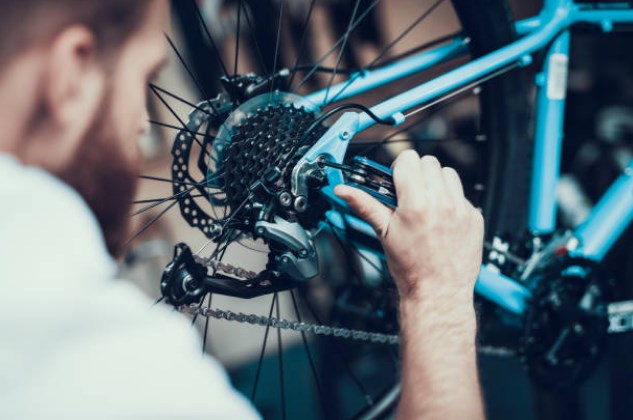
Hydraulic brakes, while offering top-tier performance, require more specialized knowledge and equipment to bleed the system and handle hydraulic fluid. However, once mastered, hydraulic brakes demand less frequent adjustment.
Choosing between the two depends on your priorities: if you want ease of maintenance and affordability, cable disc brakes are a solid choice. If you prioritize braking performance and are comfortable with more advanced DIY tasks, hydraulic disc brakes are worth the investment.
Tips for Maintaining Your Disc Brakes
- Regularly check brake pads for wear and replace when needed.
- Keep rotors clean from oil, dirt, and debris using isopropyl alcohol.
- For cable brakes, lubricate cables and check tension frequently.
- For hydraulic brakes, monitor fluid levels and bleed brakes as recommended.
- Inspect brake calipers and levers for damage or misalignment.
Learn More About DIY Bike Repair
Mastering bike maintenance, including brake systems, can save you money and improve your riding experience. If you want to deepen your skills with professional guidance, consider an in-depth course that covers all aspects of bicycle repair.
Whether you choose hydraulic or cable disc brakes, understanding their mechanics and maintenance will empower you to keep your bike in top shape.
Ready to Take the Next Step?
If DIY Bike Repair sounds like the right fit after reading this review, you can visit the official page and see all the details straight from the vendor.