How to True a Bike Wheel: A Complete Wheel Truing Guide
DIY Bike Repair
Looking for an honest, in-depth look at DIY Bike Repair? Below you’ll find a full review, but you can also check out the official page here:
Keeping your bike wheel true is essential for a smooth, safe ride. A wheel that wobbles or rubs against the brake pads can affect handling and cause uneven tire wear. Fortunately, learning how to true a bike wheel is a straightforward skill you can master with some basic tools and patience. This guide will walk you through the process of adjusting your bike rim, fixing bike spokes, and troubleshooting common issues—all part of essential DIY bike repair.
Disclosure: As an affiliate, I may receive a commission if you purchase through links on this page at no cost for you.
What Does It Mean to True a Bike Wheel?
Truing a bike wheel means straightening the rim so it spins evenly without side-to-side wobbling or up-and-down hops. This is done by adjusting the tension of the spokes, which connect the hub to the rim. Proper spoke tension keeps the rim aligned and stable under the rider’s weight and road forces.
Over time, spokes can loosen or tighten unevenly due to impacts, wear, or manufacturing tolerances, causing the wheel to go out of true. Addressing this early prevents more costly damage and improves bike performance.
Tools You’ll Need
- Spoke wrench (correct size for your bike’s spokes)
- Truing stand or a makeshift setup using your bike frame and brake pads
- Marker or piece of tape (to mark problem spots)
- Optional: Tensiometer (for measuring spoke tension)
Step-By-Step Wheel Truing Guide
Step 1: Inspect the Wheel
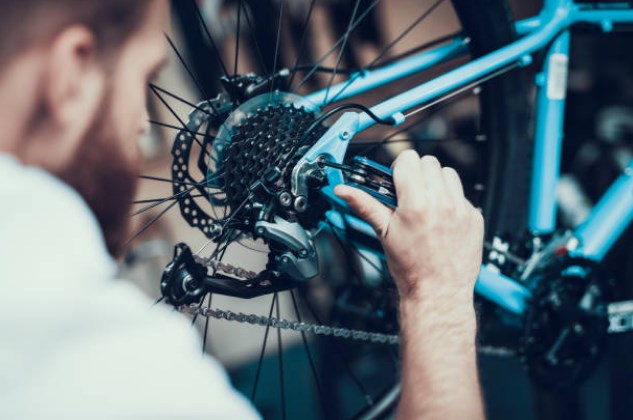
Remove the wheel from your bike and spin it slowly. Observe the rim from the side and look for any lateral (side-to-side) or radial (up-and-down) deviations. If you don’t have a truing stand, reinstall the wheel and use the brake pads as a reference point—mark spots where the rim comes close to or touches the pad.
Step 2: Identify Problem Areas
Using your marker or tape, highlight the spots where the rim deviates most. This helps you focus on one area at a time and track progress as you make adjustments.
Step 3: Adjust the Spokes
Each spoke affects the rim tension around its position. To fix lateral wobbles:
- If the rim pulls to the right, tighten the spokes on the left side at that spot by turning the spoke nipples clockwise (usually a quarter turn at a time).
- If the rim pulls to the left, tighten the spokes on the right side similarly.
For radial hops (vertical bumps), adjust spokes evenly on both sides near the high spot—tightening them to pull the rim inward.
Step 4: Make Small, Even Adjustments
Turn spoke nipples in small increments (about a quarter turn) and then spin the wheel to check progress. Avoid over-tightening as it can cause new problems or break spokes.
Step 5: Check Spoke Tension
Even tension across spokes is important for wheel strength. If you have a tensiometer, measure and balance the tension. If not, pluck spokes gently and listen for similar pitch sounds as a rough guide.
Step 6: Final Spin Test
Once adjustments are complete, spin the wheel to confirm that the rim runs true without rubbing brake pads or wobbling.
Common Mistakes When Truing a Bike Wheel
- Over-tightening spokes: This can warp the rim or break spokes.
- Ignoring spoke tension balance: Uneven tension leads to recurring issues.
- Skipping small adjustments: Large turns can quickly worsen the wheel’s shape.
- Not using a reference: Without a truing stand or brake pads as guides, it’s easy to miss problem spots.
- Neglecting to check for damaged spokes or rim: Truing won’t fix broken or bent parts.
Troubleshooting Tips
| Problem | Possible Cause | Solution |
|---|---|---|
| Wheel wobbles side to side | Uneven spoke tension | Adjust spokes on opposite side to balance tension |
| Wheel hops up and down | Loose or uneven tension near the high spot | Tighten spokes evenly around the hop area |
| Spokes break repeatedly | Over-tightening or damaged spokes | Check tension carefully and replace damaged spokes |
| Rim rubs brake pads after truing | Wheel not seated properly in dropouts or rim is bent | Re-seat wheel correctly or inspect rim for damage |
Why Learn to True Your Bike Wheel?
Knowing how to true a bike wheel empowers you to maintain your bike independently and avoid costly shop visits. It also improves your ride experience by ensuring smoother handling and longer tire life. With practice, wheel truing becomes a quick part of your routine bike maintenance.
If you’re interested in expanding your DIY bike repair skills, consider comprehensive courses that cover everything from basic maintenance to advanced repairs.
Start Learning Advanced Bike Repair Today
Summary
- Truing a wheel involves adjusting spoke tension to straighten the rim.
- Use a spoke wrench and a truing stand or brake pads as a guide.
- Make small, gradual adjustments and check your work frequently.
- Balance spoke tension to maintain wheel strength and durability.
- Regularly inspect your wheel to catch issues early.
Mastering wheel truing is a valuable skill for any cyclist. With the right approach and tools, you can keep your bike performing at its best and enjoy the freedom of DIY bike repair.
Explore the Ultimate Bike Repair Course Now
Ready to Take the Next Step?
If DIY Bike Repair sounds like the right fit after reading this review, you can visit the official page and see all the details straight from the vendor.