How to Install Bike Pedals: A Complete Pedal Installation Guide
DIY Bike Repair
Looking for an honest, in-depth look at DIY Bike Repair? Below you’ll find a full review, but you can also check out the official page here:
Installing bike pedals may seem straightforward, but proper technique ensures safety, efficiency, and longevity of your bike components. Whether you’re performing a pedal replacement or upgrading to a different style, understanding the basics of how to install bike pedals is essential for any cyclist interested in DIY bike repair.
Disclosure: As an affiliate, I may receive a commission if you purchase through links on this page at no cost for you.
Understanding Bike Pedal Types
Before diving into installation, it’s important to know the common bike pedal types you might encounter:
- Platform Pedals: Flat pedals that are easy to use and suitable for casual riding.
- Clipless Pedals: Pedals that require special cleats on your shoes to clip in, offering better power transfer.
- Toe Clip Pedals: Platform pedals with cages or straps to secure your foot.
Each type may have slightly different installation requirements, but the core steps remain similar.
Tools You’ll Need
- Pedal wrench or adjustable wrench (15mm common size)
- Grease or anti-seize lubricant
- Clean rag
- Optional: Torque wrench for precise tightening
Step-By-Step Pedal Installation Guide
Step 1: Identify Left and Right Pedals
Bike pedals are threaded differently for each side to prevent loosening during rides. The right pedal has a standard right-hand thread (tightens clockwise), while the left pedal has a reverse thread (tightens counterclockwise). Pedals are usually marked with “L” or “R” on the spindle.
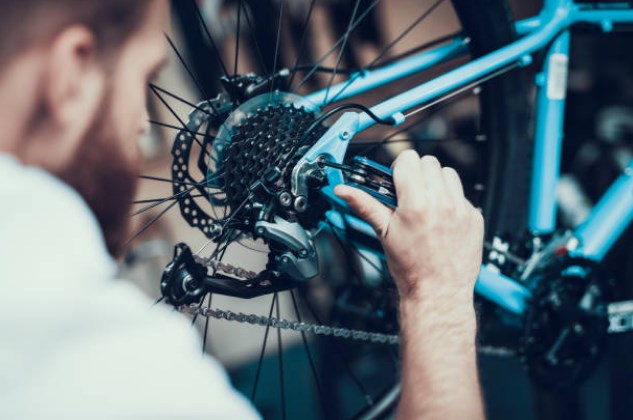
Step 2: Prepare the Pedal Threads
Apply a thin layer of grease or anti-seize lubricant to the pedal threads. This helps prevent them from seizing over time and makes future removal easier.
Step 3: Thread the Pedal into the Crank Arm
- Right pedal: Thread clockwise into the right crank arm by hand.
- Left pedal: Thread counterclockwise into the left crank arm by hand.
Always start threading by hand to avoid cross-threading, which can damage the crank arm.
Step 4: Tighten the Pedal
Use a pedal wrench or adjustable wrench to tighten the pedal securely. If you have a torque wrench, tighten to manufacturer specifications (typically around 30-40 Nm). Do not overtighten, as this can strip the threads.
Common Mistakes to Avoid
- Mixing Left and Right Pedals: Installing pedals on the wrong side can damage the threads and make removal difficult.
- Cross-Threading: Forcing pedals without starting by hand risks stripping crank arm threads.
- Insufficient Grease: Skipping lubrication can cause pedals to seize, complicating future removal.
- Overtightening: Excessive force can damage components; use a torque wrench if possible.
Troubleshooting Pedal Installation Issues
| Problem | Cause | Solution |
|---|---|---|
| Pedal won’t thread in | Wrong pedal side or cross-threading | Double-check pedal markings; start threading by hand and back off if resistance is high |
| Pedal feels loose after tightening | Insufficient torque or damaged threads | Retighten with proper torque; inspect threads for damage and replace if necessary |
| Pedal squeaks or creaks during riding | Dry threads or loose pedals | Remove pedals, clean and re-grease threads, then reinstall and tighten securely |
Why Learn to Install Your Own Bike Pedals?
Mastering pedal replacement is a fundamental skill in DIY bike repair. It saves you time and money by reducing visits to bike shops and empowers you to maintain your bike confidently. Plus, knowing your bike pedal types and how to install them correctly enhances your overall cycling experience.
If you want to deepen your knowledge and skills, consider exploring comprehensive bike maintenance resources that offer detailed video tutorials and manuals.
Start Learning Advanced Bike Repair Today
Final Tips
- Always check your pedal tightness regularly, especially after initial installation.
- If you switch pedal types (e.g., from platform to clipless), verify compatibility with your cycling shoes and crank arms.
- Keep your tools handy and clean for smoother repair sessions.
Installing bike pedals is a manageable task with the right approach. Follow this pedal installation guide carefully, avoid common pitfalls, and enjoy smoother, safer rides.
Get the Ultimate DIY Bike Repair Course
Ready to Take the Next Step?
If DIY Bike Repair sounds like the right fit after reading this review, you can visit the official page and see all the details straight from the vendor.