How to Install Bike Handlebars: A Step-by-Step DIY Guide
DIY Bike Repair
Looking for an honest, in-depth look at DIY Bike Repair? Below you’ll find a full review, but you can also check out the official page here:
Replacing or upgrading your bike handlebars can greatly improve your riding comfort and control. Whether you’re doing a handlebar replacement to customize your setup or adding accessories like bar ends, knowing how to install bike handlebars correctly is essential for safety and performance. This guide will walk you through the process, share important bike setup tips, and help you troubleshoot common issues.
Disclosure: As an affiliate, I may receive a commission if you purchase through links on this page at no cost for you.
Tools and Materials Needed
- Allen wrench set (usually 4mm, 5mm, or 6mm)
- Torque wrench (recommended for precise tightening)
- Handlebars (compatible with your bike stem)
- Bar ends (optional)
- Grease or anti-seize compound
- Rag or cloth for cleaning
Step 1: Remove the Old Handlebars
Start by loosening the stem faceplate bolts using an Allen wrench. Carefully remove the faceplate and slide out the old handlebars. If your bike has brake levers, shifters, or grips attached, you may need to slide or remove them first.
Bike Setup Tip:
Mark the position of your brake levers and shifters on the old handlebars before removal. This will help you replicate the same setup on your new bars quickly.
Step 2: Prepare the New Handlebars
Inspect the new handlebars for any defects or dirt. Apply a thin layer of grease to the clamping area to prevent corrosion and ease future adjustments. If you plan to install bar ends, now is a good time to attach them securely according to the manufacturer’s instructions.
Step 3: Install the Handlebars on the Stem
Place the new handlebars into the stem clamp and loosely reinstall the faceplate bolts. Align the handlebars so they are centered and at your preferred angle. Do not fully tighten the bolts yet.
Bike Setup Tip:
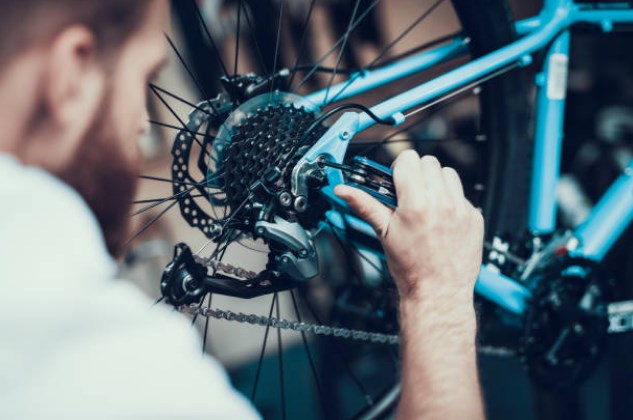
Adjusting handlebar angle can improve comfort. For mountain bikes, a slight upward tilt is common, while road bikes often have a more neutral or slightly downward angle.
Step 4: Attach Brake Levers, Shifters, and Grips
Slide the brake levers and shifters onto the handlebars, positioning them according to the marks you made earlier. Secure them firmly but allow minor adjustments before full tightening. Install grips or tape as needed.
Step 5: Tighten and Torque the Bolts
Using a torque wrench, tighten the stem faceplate bolts evenly in a cross pattern to the manufacturer’s recommended torque settings. This ensures a secure fit and prevents damage to the handlebars or stem.
Common Mistakes to Avoid
- Over-tightening bolts: This can damage carbon or aluminum handlebars and compromise safety.
- Uneven bolt tightening: Always tighten bolts incrementally and evenly to avoid bending or cracking.
- Ignoring alignment: Misaligned handlebars affect handling and comfort.
- Skipping grease: Lack of lubrication can cause corrosion and make future adjustments difficult.
- Incorrect bar end installation: Ensure bar ends are properly tightened and positioned to avoid slipping during rides.
Troubleshooting Tips
| Issue | Possible Cause | Solution |
|---|---|---|
| Handlebars slip under pressure | Stem bolts not tightened enough or missing grease | Retighten bolts to recommended torque; apply grease before reassembly |
| Uneven brake lever positioning | Incorrect alignment during installation | Loosen levers and reposition using marks or personal comfort as a guide |
| Handlebar angle feels uncomfortable | Improper angle set during installation | Loosen stem faceplate, adjust angle, and retighten evenly |
| Bar ends rotate or loosen | Insufficient tightening or incorrect installation | Check manufacturer instructions, tighten securely, and use threadlocker if recommended |
Additional Bike Setup Tips
- After installation, test your bike in a safe area to ensure all components feel secure and comfortable.
- Regularly check bolt tightness, especially after the first few rides.
- Consider professional fitting if you are unsure about optimal handlebar height and angle for your riding style.
If you want to learn more about comprehensive bike maintenance and repair, check out this DIY Bike Repair MasterClass with over 200 step-by-step videos and manuals.
Ready to Take the Next Step?
If DIY Bike Repair sounds like the right fit after reading this review, you can visit the official page and see all the details straight from the vendor.