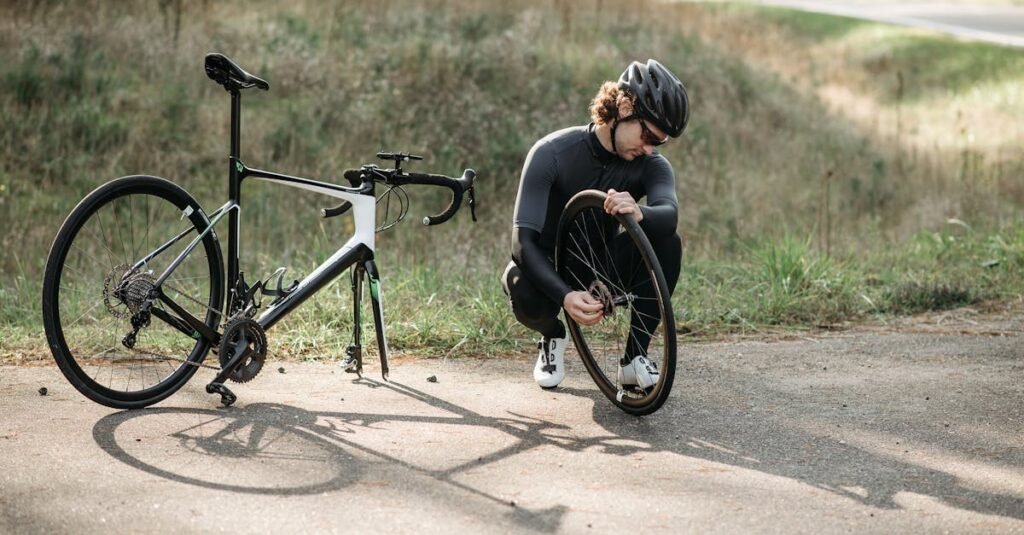
Checking for Leaks in Suspension
Learn Road, Race And Mountain Repairs

- Work through chapters organized by the bike’s mechanical systems for easy learning
- Get a 150-page illustrated manual to reference while you work in your home setup
- Use easy-to-follow demonstrations that make daunting tasks feel manageable
Inspecting your bicycle’s suspension for leaks is essential to ensure optimal performance. Start by visually examining the fork and shock for any signs of fluid residue. Look for oily spots or dampness on the outer surfaces. Pay particular attention to the seals, as these are common areas where leaks can occur. It’s also beneficial to check the stanchions for scratches or wear that might contribute to fluid loss.
To further assess for leaks, you can perform a simple test by cycling through your suspension’s travel. As you compress and extend the fork or shock, observe closely for any emerging fluid. If there is a noticeable flow or pooling of oil, it indicates a breach in the suspension system. Regular checks can help maintain your bike’s performance and extend the life of the suspension components.
How to Spot Fluid Loss
Fluid loss in your bicycle’s suspension can lead to decreased performance and stability. Begin by inspecting the seals and shafts for any signs of oil accumulation. This typically appears as a dark, greasy residue around the joints, indicating that fluid may be escaping. Pay attention to the area around the shock absorber and fork seals, as these are common points where leaks occur.
Wipe the surfaces with a clean cloth to get a better view of any underlying issues. It can also be helpful to check the bike after a ride; if you notice damp spots or fluid trails, this may further confirm a leak. Don’t overlook the connection points of the suspension links and the mounting hardware, as these areas can also harbor hidden fluid loss. Regular inspections can help catch problems early and maintain optimal bike performance.
Analyzing Suspension Travel
Suspension travel plays a crucial role in the overall performance and comfort of your bicycle. Measuring compression and rebound helps determine whether the suspension system is functioning correctly. When evaluating these characteristics, it’s essential to observe how the bike responds to bumps and terrain changes. A well-tuned suspension should compress smoothly under load and extend back to its original position without hesitation or excessive bouncing.
To analyze suspension travel accurately, begin by noting the amount of travel each component has during a ride. Using a ruler or measuring tape can provide precise measurements. Record the distance the suspension compresses when riding over obstacles and check the rebound speed after the compression. If there are any inconsistencies, such as excessive sag or sluggish rebound, these issues may indicate a need for adjustment or servicing. Proper monitoring ensures enhanced comfort and optimal performance on the trails.
Measuring Compression and Rebound
Proper suspension performance relies heavily on the accurate measurement of compression and rebound settings. Start by compressing the suspension fork or rear shock while observing any resistance or noise. Listen for unusual sounds, which may indicate that the components are not functioning as they should. Release the compression gradually. Take note of how quickly it returns to its original position. A sluggish return rate may suggest a need for servicing or adjustment.
To assess these measurements effectively, it helps to have a reference point or benchmark from the manufacturer’s specifications. Adjust the dial or knobs, if available, to fine-tune the compression and rebound to your weight and riding style. After making adjustments, repeat the compression test to ensure the changes have had the desired effect. Observing these characteristics under different riding conditions can provide valuable insights into overall suspension performance.
The Ultimate At-Home Bike MasterClass
- Repair and maintain road, race, and mountain bikes with guidance tailored to each
- Keep your bike running smoothly with cleaning and lubrication best practices
- Get support through video chat or email when you need help on a tricky step
Evaluating Shock Absorbers
Shock absorbers play a crucial role in how your bicycle handles various terrains. Examining their condition involves looking for signs of wear, such as cracks or dents on the exterior. Any oil leaks are a clear indication that the inner seals may be damaged. Additionally, performance issues, such as excessive bouncing or difficulty maintaining traction, suggest that the shock absorbers might not be functioning effectively.
Understanding the key features of shock absorbers can help assess their performance more thoroughly. Look for features such as the size and type of piston, as these can affect responsiveness and overall ride quality. Checking the mounting points is also vital; any signs of play or looseness can impact how well the shocks absorb impacts. Regularly evaluating these elements ensures a smoother ride and prolongs the lifespan of the shock absorbers.
Key Features to Assess
Evaluating shock absorbers involves examining several critical features that can impact your ride quality. Start by inspecting the overall condition of the shock body. Look for signs of wear, such as scratches or dents, which might affect performance. Check the seals as well. Damaged or leaking seals can lead to fluid loss, directly impacting shock functionality.
Next, assess the adjustment settings available on the shock absorber. Some models offer adjustable compression and rebound settings that allow for customization based on riding style and terrain. Understanding how to utilize these features can enhance your biking experience. Additionally, pay attention to the weight and build quality of the shock. Heavier or poorly constructed shocks may lead to a less responsive ride.
FAQS
How can I tell if my bicycle suspension is leaking?
You can check for leaks by inspecting the suspension components for any visible fluid accumulation or oil spots. Look for wet spots around seals, stanchions, and shock bodies, and wipe the area to see if any fluid comes off.
What are the signs of fluid loss in my suspension?
Signs of fluid loss include reduced suspension performance, a spongy feeling while riding, increased noise from the shock or fork, or visible oil on the exterior of the suspension components.
How do I measure suspension travel effectively?
To measure suspension travel, use a ruler or tape measure to measure the distance the suspension compresses when you apply weight to the bike, or measure the distance between the fully extended position and where the bike sits under load.
What should I assess when evaluating shock absorbers?
When evaluating shock absorbers, check for signs of damage, listen for unusual noises, assess the responsiveness during compression and rebound, and inspect for any visible leaks or wear on seals.
How often should I check my bicycle’s suspension for issues?
It is a good practice to check your bicycle’s suspension at least once a month, or more frequently if you ride often, to ensure optimal performance and to catch any potential issues early.
Related Links
How to Overhaul Your Bicycle Suspension for a Smoother Ride
Review of Top Suspension Tools for the Home Mechanic
Upgrade And Maintain Any Bicycle
- Keep your bike running smoothly with cleaning and lubrication best practices
- Benefit from three different instructors and teaching styles across three bike types
- Make bike maintenance feel practical, organized, and doable from home