How to Convert a Bike to Fixed Gear: A Complete DIY Guide
DIY Bike Repair
Looking for an honest, in-depth look at DIY Bike Repair? Below you’ll find a full review, but you can also check out the official page here:
Converting a bike to fixed gear, also known as a fixie conversion, is a popular project among cycling enthusiasts who want a simpler, low-maintenance ride. Whether you’re looking to simplify your single speed bike setup or want to dive into bike drivetrain modification, this guide will walk you through the essential steps, common mistakes, and troubleshooting tips to help you complete your conversion successfully.
Disclosure: As an affiliate, I may receive a commission if you purchase through links on this page at no cost for you.
What is a Fixed Gear Bike?
A fixed gear bike has a drivetrain with no freewheel mechanism, meaning the pedals are always in motion when the bike is moving. This setup offers a direct connection between the rider and the bike, providing better control and a unique riding experience. Fixed gear bikes are valued for their simplicity, lightweight, and ease of maintenance.
Tools and Parts Needed for Your Fixie Conversion
- Fixed gear hub or flip-flop hub
- Single-speed chain
- Fixed gear cog and lockring
- Chain tensioner (if your frame lacks horizontal dropouts)
- Chain whip and lockring tool
- Wrenches and Allen keys
- Bike grease and lubricant
Before you start, make sure your bike frame is compatible. Frames with horizontal dropouts or track ends are ideal for maintaining proper chain tension.
Step-by-Step Guide: How to Convert a Bike to Fixed Gear
Step 1: Remove the Rear Wheel and Existing Components
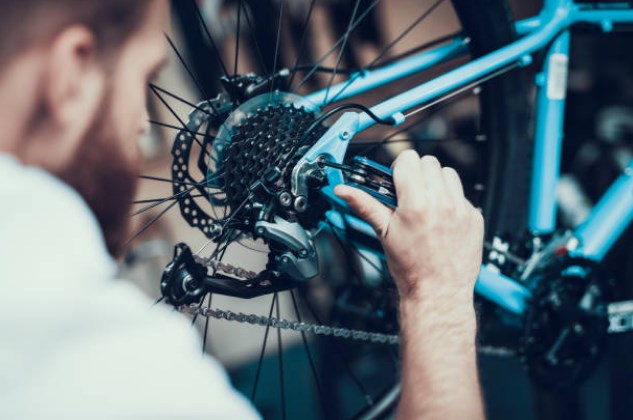
Start by removing the rear wheel from your bike. Then, remove the cassette or freewheel, derailleur, and any gear shifters. You’ll be replacing the rear hub with a fixed gear or flip-flop hub.
Step 2: Install the Fixed Gear Hub and Cog
Mount the fixed gear cog onto the hub, securing it with a lockring. The lockring prevents the cog from unscrewing during backpedaling. Use a chain whip and lockring tool to tighten it firmly.
Step 3: Reinstall the Rear Wheel
Place the rear wheel back into the frame’s dropouts. If your frame has horizontal dropouts, you can adjust the wheel position to achieve proper chain tension. If it has vertical dropouts, you’ll need a chain tensioner to maintain tension.
Step 4: Adjust Chain Length and Install Chain
Measure and adjust the chain length to ensure it’s tight but not overly stretched. The chain should have minimal slack to avoid slipping. Install the single-speed chain, making sure it meshes correctly with the chainring and cog.
Step 5: Check and Adjust Chain Tension
Proper chain tension is crucial for a fixed gear setup. Aim for about 1/2 inch of vertical movement in the chain. Adjust the wheel position or tensioner accordingly to achieve this.
Step 6: Test Your Setup
Spin the pedals and rear wheel to check for smoothness and proper engagement. Ensure the lockring is tight and the chain moves freely without skipping or binding.
Common Mistakes to Avoid During Fixie Conversion
- Ignoring frame compatibility: Vertical dropouts require additional parts like chain tensioners to maintain proper tension.
- Improper lockring installation: A loose lockring can cause the cog to unscrew, leading to accidents.
- Incorrect chain length: Too long causes chain slip; too short stresses drivetrain components.
- Neglecting brake setup: Fixed gear bikes often require a front brake for safety, especially if you’re new to riding fixies.
- Skipping lubrication: A dry chain increases wear and reduces efficiency.
Troubleshooting Your Fixed Gear Conversion
| Issue | Possible Cause | Solution |
|---|---|---|
| Chain slipping while pedaling | Loose lockring or incorrect chain tension | Tighten lockring with lockring tool; adjust wheel position or chain tensioner |
| Chain too tight or binding | Chain length too short or misaligned wheel | Remove chain links to lengthen; realign wheel in dropouts |
| Difficulty backpedaling | Cog or lockring installed incorrectly | Reinstall cog and lockring ensuring correct threading and tightness |
| Rear wheel doesn’t stay in place | Loose axle nuts or vertical dropouts without tensioner | Secure axle nuts; install chain tensioner if needed |
Why Choose DIY Fixie Conversion?
Converting your bike to a fixed gear setup is not only rewarding but also enhances your mechanical skills. This bike drivetrain modification simplifies maintenance, reduces weight, and gives you a new riding experience. Plus, with the right guidance, it’s a manageable project for most home mechanics.
If you want to deepen your bike maintenance skills and tackle more repairs and upgrades with confidence, consider investing in a comprehensive resource like the DIY Bike Repair Course. It offers over 200 videos and detailed manuals that cover everything from basic repairs to advanced modifications.
Start Learning Bike Repair Today
Final Tips for a Successful Fixie Conversion
- Always double-check the tightness of your lockring after the first few rides.
- Maintain your chain regularly by cleaning and lubricating.
- Practice riding in a safe area to get used to the fixed gear feel.
- Consider installing a front brake for added safety.
With patience and the right tools, converting your bike to fixed gear can be a highly satisfying project that enhances your cycling experience. Happy riding!
Ready to Take the Next Step?
If DIY Bike Repair sounds like the right fit after reading this review, you can visit the official page and see all the details straight from the vendor.