How to Adjust Bike Headset: A Step-by-Step Guide for DIY Bike Repair

DIY Bike Repair
Looking for an honest, in-depth look at DIY Bike Repair? Below you’ll find a full review, but you can also check out the official page here:
If you’ve noticed your bike’s steering feels loose or your handlebars wobble, it’s time to learn how to adjust bike headset. Proper bike steering adjustment is essential for safe and smooth rides. This guide will walk you through headset tuning, common mistakes to avoid, and troubleshooting tips to fix bike wobble effectively.
Disclosure: As an affiliate, I may receive a commission if you purchase through links on this page at no cost for you.
What Is a Bike Headset and Why Adjust It?
The bike headset is the set of components that connects your fork to the frame and allows the handlebars to turn smoothly. Over time, the headset can become loose or too tight, impacting your bike’s handling. Adjusting it correctly ensures stability, responsive steering, and reduces wear on parts.
Tools You’ll Need
- Allen wrenches (typically 4mm, 5mm, or 6mm)
- Adjustable wrench or headset wrench
- Torque wrench (optional but recommended)
- Grease
- Clean rag
Step-by-Step Guide: How to Adjust Your Bike Headset
1. Prepare Your Bike
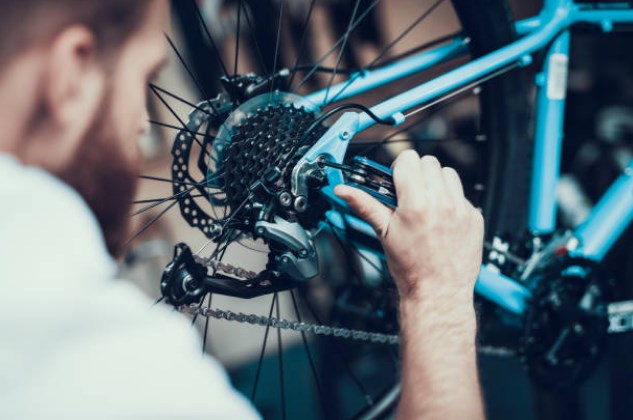
Place your bike on a stable surface or a repair stand. Remove any accessories that block access to the headset area. Make sure the front wheel is straight and the handlebars are aligned with the front fork.
2. Loosen the Stem Bolts
Using an Allen wrench, slightly loosen the bolts on the stem that clamp it to the fork’s steerer tube. This will allow you to adjust the headset without resistance.
3. Adjust the Top Cap
The top cap bolt controls the preload on the headset bearings. Turn it clockwise to tighten or counterclockwise to loosen. Adjust it until there is no play in the headset but the steering still turns smoothly.
4. Tighten the Stem Bolts
Once the preload is properly set, tighten the stem bolts evenly. Be sure not to overtighten, as this can damage the steerer tube or affect steering.
5. Test the Adjustment
Lift the front wheel off the ground and turn the handlebars from side to side. Check for smooth rotation and no looseness. Also, try rocking the bike back and forth with the front brake applied to detect any headset play.
Common Mistakes When Adjusting a Bike Headset
- Over-tightening the top cap bolt: This can cause stiff steering and damage bearings.
- Not loosening stem bolts first: Attempting to adjust the headset without loosening the stem can prevent proper adjustment and cause damage.
- Ignoring bearing condition: If the headset still feels rough after adjustment, the bearings may need cleaning or replacement.
- Misaligning handlebars and front wheel: Always ensure these are aligned before tightening the stem bolts.
Troubleshooting: How to Fix Bike Wobble After Headset Adjustment
| Issue | Possible Cause | Recommended Fix |
|---|---|---|
| Loose steering or headset play | Top cap too loose or stem bolts not tight enough | Retighten top cap and stem bolts as per steps above |
| Stiff or sticky steering | Over-tightened headset or dirty/damaged bearings | Loosen headset preload, clean and lubricate bearings, replace if needed |
| Handlebars misaligned with front wheel | Stem bolts tightened before alignment | Loosen stem bolts, align handlebars and wheel, then retighten |
Additional Tips for Headset Tuning and Bike Steering Adjustment
- Regularly check headset tightness as part of your bike maintenance routine.
- Use grease on the headset bearings to prevent corrosion and ensure smooth operation.
- Consider upgrading to sealed cartridge bearings for easier maintenance.
- Consult your bike manufacturer’s specifications for torque settings on stem bolts.
Mastering headset tuning not only fixes bike wobble but also enhances your overall riding experience. If you’re interested in learning more about DIY bike repair and maintenance, comprehensive courses can guide you from basic fixes to advanced techniques.
Conclusion
Adjusting your bike headset is a straightforward but crucial skill for any cyclist. By following the steps above and avoiding common pitfalls, you can ensure your bike steers smoothly and safely. Regular headset tuning and bike steering adjustment will keep your rides comfortable and help prevent costly repairs.
Ready to take your bike repair skills to the next level? Check out the recommended course below for detailed video tutorials and expert guidance.
Ready to Take the Next Step?
If DIY Bike Repair sounds like the right fit after reading this review, you can visit the official page and see all the details straight from the vendor.