Electric Bicycle Repair can seem daunting, especially for new riders who might not know where to start when something goes awry. The thrill of gliding effortlessly through your neighborhood or tackling the local trails can quickly diminish if your e-bike begins to show signs of wear or malfunction. From mysterious battery drains to tricky electrical glitches, the challenges that come with maintaining an electric bike can leave even the most seasoned cyclists scratching their heads or, worse yet, stranded. But fear not! With a little guidance and the right knowledge, you can turn potential pitfalls into manageable tasks and keep your electric companion in peak condition.
Learn Road, Race And Mountain Repairs
- Work through chapters organized by the bike’s mechanical systems for easy learning
- Get a 150-page illustrated manual to reference while you work in your home setup
- Use easy-to-follow demonstrations that make daunting tasks feel manageable
Imagine embarking on a weekend ride with friends, feeling potent energy coursing through your bike as you zoom past the spectacular scenery. Now, picture that anticipation disappearing as you encounter an unexpected flat tire or a failing motor. It could lead to frustration and disruption of your adventure. However, understanding the nuances of your e-bike and knowing how to tackle common issues is key to ensuring your rides remain uninterrupted. In this post, we share five expert tips for electric bicycle repair and maintenance that will empower you to take control of your bike’s health. Buckle up and get ready to become the master of your electric bicycle!

5 Expert Tips for Electric Bicycle Repair
E-bikes are fantastic for commuting, exercise, and leisure, but they also require proper care and maintenance to keep them running smoothly. Here are five expert tips for electric bicycle repair that every e-bike owner should know:
1. Regular Battery Maintenance
The battery is the heart of your electric bicycle. To ensure it remains in top condition, follow these practices:
- Charge Regularly: Always charge your battery after use, but avoid overcharging. This can reduce battery life significantly. Consider using a smart charger that stops charging once it’s full.
- Store Carefully: If you’re not using your e-bike for an extended period, store the battery in a cool, dry place and ensure it is charged to around 50%. This helps preserve its lifespan.
- Keep Connections Clean: Check the battery connections for corrosion regularly. If you see any, clean them with a bit of isopropyl alcohol and a soft cloth.
By implementing these practices, you can enhance the longevity of your battery and improve your overall e-bike experience. For more tips on battery maintenance, check out DIY Bike Repair Training.
2. Tire Swap and Inflation
Another crucial aspect of electric bike fixing is tire management. Properly inflated tires can make a significant difference in performance and efficiency:
- Check Tire Pressure: Use a pressure gauge to regularly check your tire pressure. Most e-bikes will have recommended psi levels on the sidewall of the tire.
- Inspect for Damage: Look for cuts, punctures, or bulges. If you notice any, it’s time to replace the tire to avoid accidents.
- Change Tires Seasonally: If you often ride in varied conditions, like rain or snow, consider switching to tires that suit the season for optimal grip and control.
Learning to replace tires yourself can save you a lot of time and money. Equip yourself with the skills from DIY Bike Repair Training to handle your e-bike tire maintenance efficiently.
3. Regular Brake Adjustments
Brakes are one of the most critical components of any bicycle, especially e-bikes, given their speed. For effective e-bike troubleshooting, ensure your brakes are functioning properly:
- Check Brake Pads: Inspect brake pads for wear and tear regularly. If they’re worn down, replace them immediately to maintain safety.
- Adjust Brake Cables: If you notice the brakes feel loose or unresponsive, it might be time to adjust the cable tension or replace damaged cables.
- Test Brake Response: After making adjustments, always test ride to ensure the brakes engage smoothly and promptly.
Understanding how to adjust brakes not only enhances your safety but also prolongs the life of your braking system. Dive deeper into brake maintenance with DIY Bike Repair Training.
4. Regular Cleaning and Lubrication
A clean bike is a happy bike. Regular cleaning and lubrication can prevent wear and tear on essential parts:
- Clean the Frame and Components: Use mild soap and water to remove dirt, grime, and any residue. Avoid using a pressure washer, as it can force water into electrical components.
- Lubricate Moving Parts: Apply lubricant to components like the chain, derailleur, and cables to ensure smooth operation. It’s essential to use products specifically designed for bicycles, as they are more effective.
- Inspect for Wear: While cleaning, check for any signs of wear on components that may need replacement.
For effective lubrication techniques, consider utilizing resources like DIY Bike Repair Training to maximize your bicycle maintenance efforts.
5. Software Updates and Diagnostics
Modern e-bikes often come with sophisticated electronics that may require updates to optimize functionality:
- Check for Firmware Updates: Some e-bike manufacturers provide software updates that can enhance performance or fix bugs. Keep an eye on their website or user app for updates.
- Run Diagnostic Tests: Many e-bikes include a diagnostic mode. Familiarize yourself with running these tests to troubleshoot electronic issues quickly.
- Consult the Manual: Your user manual often has troubleshooting tips specific to your model, making it your best friend for e-bike repair.
For more technical insights into software management and diagnostics, enhance your knowledge through DIY Bike Repair Training.
Troubleshooting Common E-Bike Issues
Even with the best maintenance practices, issues can still arise with e-bikes. Here’s how to tackle some common problems:
1. Sudden Loss of Power
If your e-bike suddenly loses power, it can be alarming. Follow these steps to troubleshoot:
- Check Battery Connection: Ensure that the battery is properly connected and securely fastened. Loose connections are a frequent cause of power loss.
- Battery Charge Level: Verify that the battery isn’t drained. If it is, recharge it and monitor for any unusual drain during rides.
- Inspect the Controller: The controller helps manage power delivery. Make sure there are no visible signs of damage or overheating.
Frequent power issues can become cumbersome. Learning more about electrical systems through DIY Bike Repair Training can equip you with the skills to tackle these issues.
2. Flat Tires
Flat tires are a common headache for cyclists and e-bike users alike:
- Identify the Puncture: Inspect the tire and look for any sharp objects that may have caused the flat. If found, you can often repair the puncture with a patch kit.
- Replace a Damaged Tire: If the tire is beyond repair, it’s time to replace it. Consider how often you ride and choose a tire that best suits your needs.
- Inflate Properly: After fixing or replacing, ensure that the tire is properly inflated to prevent future flats.
Know the ins and outs of tire repair and replacement with comprehensive guidelines from DIY Bike Repair Training.
3. Brake Issues
Brake problems can lead to safety hazards. Here’s how to troubleshoot:
- Inspect Brake Pads: Worn brake pads need immediate attention. If they look thin or cracked, replace them.
- Adjust Cable Tension: If your brakes feel slack, they may require an adjustment to the cable tension.
- Look for Hydraulic Leaks: If you have hydraulic brakes, inspect for leaks in the brake lines. Leaks need to be repaired or parts must be replaced.
Understanding the details of brake systems is essential for any e-bike owner. Gain expert insights with DIY Bike Repair Training.
Key Tools for Electric Bike Fixes
When repairing your electric bicycle, having the right tools at hand is crucial. Here’s a rundown of essential tools for effective e-bike repair and maintenance:
1. Multi-tool
A quality multi-tool is indispensable for any bicycle repairs. These typically include tools like wrenches, screwdrivers, and a chain breaker:
The Ultimate At-Home Bike MasterClass
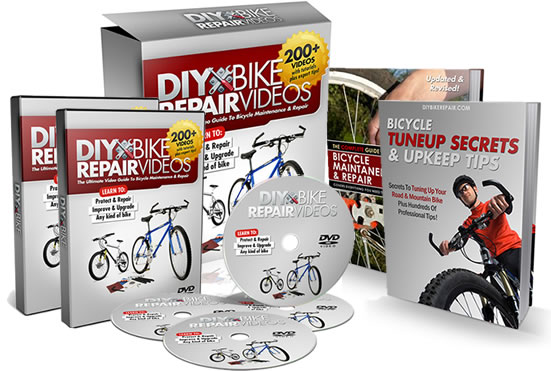
- Repair and maintain road, race, and mountain bikes with guidance tailored to each
- Keep your bike running smoothly with cleaning and lubrication best practices
- Get support through video chat or email when you need help on a tricky step
- Convenience: With everything in one place, you can quickly address various minor issues while you’re on the road.
- Portable: Multi-tools are compact and easy to carry, making them perfect for emergencies.
2. Tire Levers and Pump
Tire levers and a portable pump are
What is the best way to maintain an electric bicycle battery?
Electric Bicycle Battery Maintenance
How can I check the brake system on my electric bicycle?
Checking the Brake System
What maintenance is needed for the electric bicycle tires?
Maintenance of Electric Bicycle Tires
How do I keep the electric bicycle drivetrain in good condition?
Maintaining the Drivetrain
What are the signs that an electric bicycle needs professional servicing?
Signs for Professional Servicing
Conclusion
In summary, maintaining an electric bicycle is essential for ensuring its longevity and optimal performance. Regularly checking the battery health and charging cycles can significantly enhance the efficiency of your bike, preventing unexpected breakdowns. Additionally, routine inspections of the electrical components, such as wiring and connections, can help avert potential issues before they escalate. Proper tire maintenance, including inflation checks and tread inspections, not only improves ride quality but also contributes to energy efficiency.
Moreover, it’s crucial to clean and lubricate the drivetrain components consistently, as this can help avoid unnecessary wear and tear. Familiarizing yourself with the specific requirements of your e-bike model will empower you to conduct basic repairs and troubleshooting confidently. Lastly, consulting a professional mechanic for complex issues ensures safety and reliability, highlighting the importance of a balanced approach to DIY maintenance and expert assistance. With these expert tips, you can keep your electric bicycle in prime condition, maximizing both performance and enjoyment on every ride.
Recommendations
Are you tired of expensive bike repair bills and the hassle of finding a trustworthy mechanic? Discover a solution with DIY Bike Repair Training. This comprehensive training program empowers you with the skills needed to handle bike repairs yourself, saving you time and money.
The benefits of this training are immense. You will learn everything from basic maintenance to advanced repairs, ensuring your bike runs smoothly and efficiently. The easy-to-follow instructions and video tutorials make it suitable for both beginners and experienced cyclists. Plus, you’ll gain the confidence to tackle any bike-related issue that arises, all from the comfort of your home.
Don’t miss out on the opportunity to become your own bike repair expert. Visit the official website today to get started with DIY Bike Repair Training and take control of your biking experience!
[page-generator-pro-related-links group_id=”161″]
Upgrade And Maintain Any Bicycle
- Keep your bike running smoothly with cleaning and lubrication best practices
- Benefit from three different instructors and teaching styles across three bike types
- Make bike maintenance feel practical, organized, and doable from home