Bike Chain Repair and Replacement: A Complete DIY Guide

DIY Bike Repair
Looking for an honest, in-depth look at DIY Bike Repair? Below you’ll find a full review, but you can also check out the official page here:
Maintaining your bike’s chain is essential for smooth riding and prolonging the life of your bicycle. Whether you need to change bike chain, fix slipped chain, or tackle a rusty bike chain fix, understanding the right steps can save you time and money. This guide will walk you through the essential procedures of bike chain repair and replacement, highlighting common mistakes and troubleshooting tips for DIY bike repair enthusiasts.
Disclosure: As an affiliate, I may receive a commission if you purchase through links on this page at no cost for you.
Why Bike Chain Maintenance Matters
The chain is the heart of your bicycle’s drivetrain. A worn or damaged chain can cause poor shifting, increase wear on other components, and ultimately lead to breakdowns during your ride. Regular inspection, cleaning, and timely repair or replacement are key to keeping your bike performing at its best.
When to Change Your Bike Chain
Chains stretch and wear over time, which affects gear shifting and overall bike efficiency. Signs that you need to change bike chain include:
- Frequent slipping or jumping of the chain during pedaling
- Visible rust or corrosion on the chain links
- Difficulty shifting gears smoothly
- Chain elongation beyond recommended limits (usually measured with a chain checker tool)
Tools You’ll Need for Bike Chain Repair and Replacement
- Chain breaker tool
- New bike chain (compatible with your bike’s speed)
- Chain lubricant
- Rag or brush for cleaning
- Gloves (optional, but recommended)
- Bike stand or a way to elevate the rear wheel
How to Fix a Slipped Chain
A fix slipped chain is often straightforward and can be done on the trail or at home:
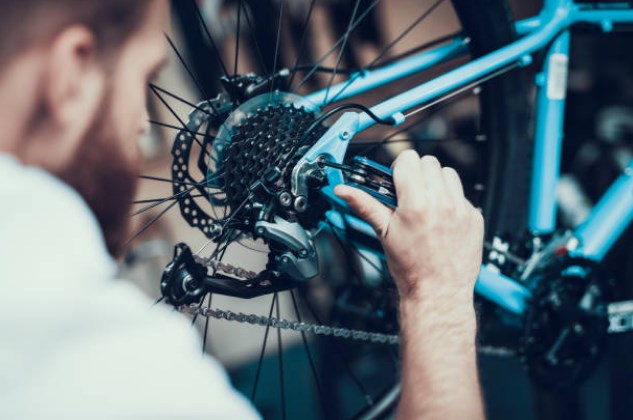
- Shift the bike to the smallest chainring and smallest rear cog to reduce tension.
- Manually place the chain back onto the chainring or rear sprocket where it slipped off.
- Pedal slowly to ensure the chain stays in place and shifts smoothly.
- Check for bent or damaged links that may cause repeated slipping and replace if necessary.
Common Causes of Chain Slipping
- Worn chain or cassette teeth
- Improper gear adjustment
- Dirty or rusty chain
How to Fix a Rusty Bike Chain
Rust can significantly reduce the lifespan of your chain and affect performance. Here’s a simple rusty bike chain fix you can do:
- Remove the chain using a chain breaker tool or quick link if your chain has one.
- Soak the chain in a degreaser or a rust remover solution to loosen rust.
- Use a stiff brush or steel wool to scrub off rust spots.
- Rinse the chain thoroughly and dry completely to avoid further rusting.
- Apply a high-quality chain lubricant evenly on all links.
- Reinstall the chain and test the bike’s shifting and pedaling.
If rust damage is severe, it’s safer to replace the chain entirely to avoid breakage while riding.
Step-by-Step Guide to Change Your Bike Chain
Changing a bike chain may seem intimidating, but following these steps will make it manageable for any DIY bike repairer:
- Measure the old chain: Lay the old chain flat and compare it to the new one. The new chain should match the length of the old chain or be sized according to your bike’s specifications.
- Remove the old chain: Use a chain breaker tool to push out a pin and disconnect the chain, or open the quick link if available.
- Prepare the new chain: If necessary, shorten the new chain to the proper length using the chain breaker tool.
- Install the new chain: Thread the chain through the front chainrings and rear cassette, ensuring it runs smoothly through the derailleur.
- Connect the chain: Use the quick link or chain pin to join the ends securely.
- Check chain tension and shifting: Rotate the pedals and shift through all gears to confirm smooth operation.
- Lubricate the chain: Apply a bike-specific lubricant to keep the chain running silently and reduce wear.
Common Mistakes When Changing a Bike Chain
- Not sizing the new chain correctly, leading to poor shifting or chain drop.
- Failing to lubricate the chain properly, causing premature wear.
- Incorrectly threading the chain through the derailleur, which can jam gears.
- Using the wrong type or speed-specific chain for your bike’s drivetrain.
Troubleshooting Bike Chain Issues
| Problem | Cause | Solution |
|---|---|---|
| Chain keeps slipping | Worn chain or cassette | Replace chain and possibly cassette |
| Chain rusting quickly | Exposure to moisture, lack of lubrication | Clean and lubricate regularly; store bike indoors |
| Chain is noisy | Dirty chain or insufficient lubrication | Clean chain thoroughly and apply lubricant |
| Chain difficult to shift | Incorrect chain length or derailleur adjustment | Check chain length and adjust derailleur |
Ready to Master Bike Chain Repair and More?
If you’re eager to deepen your DIY skills and confidently handle all kinds of bike repairs, consider enrolling in a comprehensive course that covers everything from basic maintenance to advanced repair techniques. With professional guidance, you can save money and get back on the road faster.
Final Tips for Successful Bike Chain Care
- Inspect your chain regularly for wear and damage.
- Keep the chain clean and lubricated, especially after wet rides.
- Use the correct tools and replacement parts for your bike’s specifications.
- Practice patience and follow step-by-step guides to avoid mistakes.
With these tips and techniques, you can handle bike chain repair and replacement confidently and keep your bike running smoothly for miles to come.
Ready to Take the Next Step?
If DIY Bike Repair sounds like the right fit after reading this review, you can visit the official page and see all the details straight from the vendor.