Bike Cable Housing Cutting Tips for Smooth Shifting

DIY Bike Repair
Looking for an honest, in-depth look at DIY Bike Repair? Below you’ll find a full review, but you can also check out the official page here:
Proper cable maintenance is essential for reliable bike performance, especially when it comes to bike shifting cables. One of the most critical steps in replacing bike cables is cutting the cable housing correctly. Poor cuts can lead to rough shifting, increased friction, and faster cable wear. Whether you’re a seasoned cyclist or a DIY enthusiast, mastering bike cable housing cutting tips will save you time and frustration during your next bike repair session.
Disclosure: As an affiliate, I may receive a commission if you purchase through links on this page at no cost for you.
Why Proper Cutting of Bike Cable Housing Matters
Bike cable housing protects and guides the inner cables that control your brakes and shifting. When the housing is cut unevenly or with the wrong tools, it can cause:
- Frayed cable ends that snag or damage the inner cable
- Increased friction leading to sluggish or inconsistent shifting
- Improper cable seating in stops and ferrules, affecting cable tension
- Premature wear on cables and housing
By following proper techniques, you ensure smooth operation and extend the life of your bike’s shifting system.
Essential Tools for Cutting Bike Cable Housing
Using the right tools is the first step toward a clean cut. Avoid using regular wire cutters or scissors, as they can crush or deform the housing.
- Cable housing cutters: Specially designed to cut cleanly without crushing
- Sharp utility knife or razor blade: To trim the inner liner if needed
- Needle files or sandpaper: For smoothing rough edges after cutting
- Ferrules and end caps: To protect cable ends and ensure proper fit
Step-by-Step Guide: How to Cut Bike Cable Housing
Follow these steps to achieve a precise and clean cut that promotes optimal cable performance.
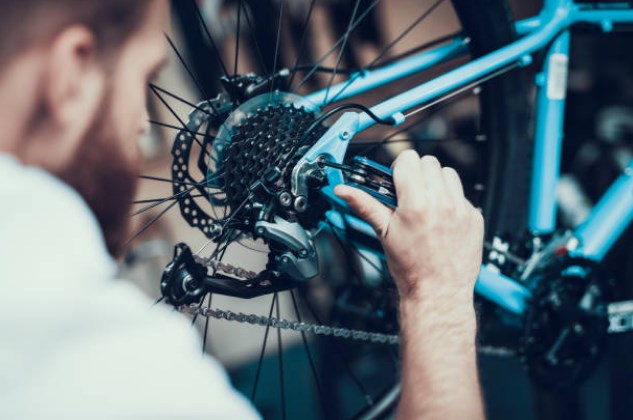
1. Measure Twice, Cut Once
Route the cable housing along the frame following the intended cable path. Make sure to leave a slight extra length to accommodate bends and adjustments. Mark the exact spot where you want to cut.
2. Use Proper Cable Housing Cutters
Place the cable housing between the jaws of your cable housing cutters, aligning the blades with your mark. Apply steady pressure to make a clean cut. Avoid twisting or crushing the housing.
3. Inspect and Trim the Inner Liner
After cutting, check the inner liner (usually made of plastic). Sometimes, the liner may be slightly longer than the outer housing. Use a sharp utility knife to carefully trim the liner flush with the housing end.
4. Smooth Rough Edges
Use a needle file or fine sandpaper to smooth any rough or sharp edges on the cut end. This step prevents the cable from snagging or fraying during installation.
5. Install Ferrules and End Caps
Slide ferrules onto the cut ends of the housing. They protect the housing from deformation and ensure a secure fit into the frame stops or shifters. Then, add cable end caps to prevent fraying of the inner cable once installed.
Additional Tips for Cable Maintenance and Replacement
- Replace bike cables regularly: Worn or rusty cables degrade shifting performance.
- Keep cables clean and lubricated: This reduces friction and extends cable life.
- Check cable tension: Proper tension ensures crisp shifting and braking.
- Inspect housing for cracks or kinks: Damaged housing should be replaced immediately.
- Use quality cables and housing: Investing in durable materials improves your bike’s reliability.
Common Mistakes to Avoid When Cutting Cable Housing
| Mistake | Consequence | How to Avoid |
|---|---|---|
| Using regular wire cutters | Crushed or deformed housing ends | Use dedicated cable housing cutters |
| Not trimming the inner liner | Cable snagging and poor shifting response | Trim liner flush with housing end using a sharp blade |
| Skipping smoothing of edges | Frayed cables and increased friction | File or sand rough edges after cutting |
| Failing to install ferrules | Housing deformation and poor cable seating | Always fit ferrules on housing ends |
Why Learning Cable Maintenance Is Worth Your Time
Replacing bike cables and maintaining your bike’s shifting system can seem intimidating at first, but with proper guidance, it becomes manageable and rewarding. Good cable maintenance improves bike performance, reduces repair costs, and extends the lifespan of your components.
For those looking to deepen their bike repair skills, including mastering cable housing cutting and much more, consider enrolling in a comprehensive DIY bike repair course. You’ll gain confidence and save money by fixing your bike yourself.
Start Your DIY Bike Repair Journey
With the right tools and techniques, maintaining your bike’s shifting cables and housing is straightforward. Keep your bike running smoothly and enjoy every ride!
Ready to Take the Next Step?
If DIY Bike Repair sounds like the right fit after reading this review, you can visit the official page and see all the details straight from the vendor.