Bicycle Spoke Repair Guide: How to Fix Broken Spokes and Maintain Your Wheels
DIY Bike Repair
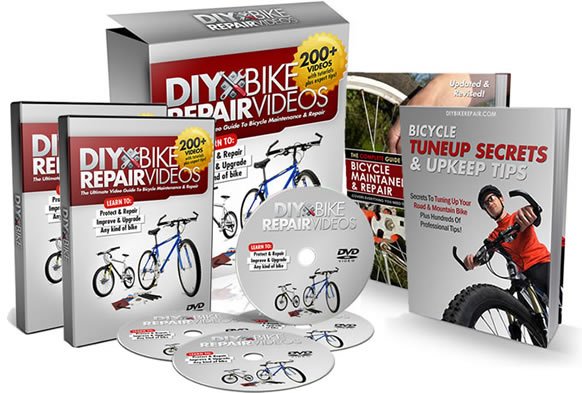
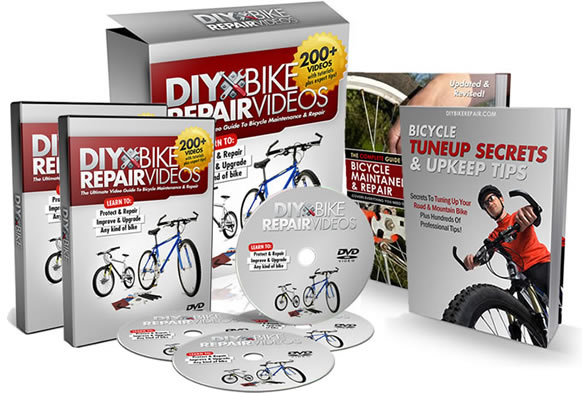
Looking for an honest, in-depth look at DIY Bike Repair? Below you’ll find a full review, but you can also check out the official page here:
Keeping your bicycle wheels in top condition is essential for safe and smooth riding. One of the most common issues cyclists face is broken or loose spokes. This bicycle spoke repair guide will walk you through the basics of identifying spoke problems, fixing broken spokes, and performing spoke tension adjustment to ensure your wheels stay true and strong. Whether you’re a beginner or an experienced rider, understanding wheel maintenance can save you time and money, especially if you enjoy DIY bike repair.
Disclosure: As an affiliate, I may receive a commission if you purchase through links on this page at no cost for you.
Why Spoke Maintenance Matters
Spokes play a crucial role in distributing the load across your bicycle wheel, keeping it round and stable. When a spoke breaks or loses tension, the wheel can become wobbly or even dangerous to ride. Regular wheel maintenance helps prevent these issues and extends the life of your bike components.
Common Signs You Need to Fix Broken Spokes
- Uneven or wobbling wheel when spinning
- Unusual noises such as clicking or pinging
- Visible broken or bent spokes
- Difficulty keeping the wheel true after a bump or crash
Tools You’ll Need for Spoke Repair and Wheel Maintenance
Before starting, gather these essential tools:
- Spoke wrench (correct size for your spoke nipples)
- Replacement spokes matching your wheel’s specifications
- Truing stand (optional but helpful for precision)
- Lubricant for spoke threads
- Flathead screwdriver (sometimes useful for nipple adjustments)
- Rag or cloth for cleaning
Step-by-Step Guide to Fix Broken Spokes
Fixing broken spokes involves removing the damaged spoke and replacing it with a new one while ensuring proper tension and wheel alignment.
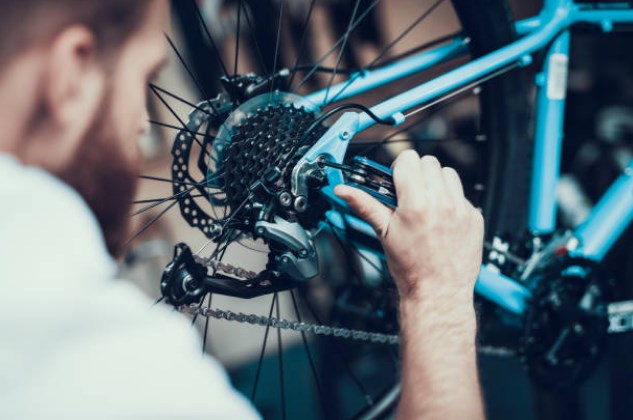
1. Remove the Wheel from Your Bike
Shift your bike into the smallest gear to make wheel removal easier. Release the brakes if necessary and use a wrench or quick-release lever to take off the wheel.
2. Identify the Broken Spoke
Spin the wheel and visually inspect for the broken spoke. You might notice a loose or dangling spoke or hear a rattling sound.
3. Remove the Broken Spoke
Use the spoke wrench to loosen the spoke nipple (the small nut at the rim) and pull out the broken spoke from the hub.
4. Insert the Replacement Spoke
Thread the new spoke through the hub flange, following the pattern of existing spokes. Insert the spoke nipple onto the spoke and hand-tighten.
5. Adjust Spoke Tension
This is a critical step. Using the spoke wrench, gradually tighten the nipple to match the tension of neighboring spokes. Avoid over-tightening to prevent damage.
6. True the Wheel
Place the wheel in a truing stand or back on the bike frame. Spin the wheel and look for lateral (side-to-side) and radial (up-and-down) wobbles. Adjust spoke tension accordingly by tightening or loosening spokes opposite the wobble direction.
Understanding Spoke Tension Adjustment
Proper spoke tension ensures your wheel remains strong, balanced, and round. Uneven tension can cause premature spoke failure or rim damage.
How to Check Spoke Tension
- Pluck the spoke like a string and listen to the pitch; similar spokes should have similar sounds.
- Use a spoke tension meter for precise measurement (optional).
Tips for Spoke Tension Adjustment
- Make small adjustments (quarter turns) to avoid over-tightening.
- Work on spokes in pairs or groups to keep tension balanced.
- Check wheel trueness frequently during adjustment.
Wheel Maintenance Tips to Prevent Spoke Problems
Regular maintenance can reduce the likelihood of broken spokes and extend wheel life:
- Keep your wheels clean and inspect spokes regularly for cracks or looseness.
- Maintain proper spoke tension using a spoke wrench or by professional service.
- Avoid hitting potholes or curbs at high speed, which can stress spokes.
- Lubricate spoke nipples occasionally to prevent corrosion and ease adjustments.
- Check your wheel alignment periodically and true wheels as needed.
When to Seek Professional Help
While many spoke repairs can be done at home, some situations require a professional mechanic:
- Multiple broken spokes or severely damaged rim
- Wheel hubs with damage or bearing issues
- Complex wheel builds like carbon rims or high-tension wheels
In such cases, visiting a bike shop ensures your safety and the longevity of your wheel.
Learn More About DIY Bike Repair
If you want to deepen your bike repair skills beyond spoke repair, consider comprehensive courses that cover all aspects of bicycle maintenance. A well-structured program can teach you everything from basic fixes to advanced upgrades.
Start mastering DIY bike repair today with in-depth video tutorials and guides.
| Step | Action | Tools Needed |
|---|---|---|
| 1 | Remove the wheel from the bike | Wrench or quick-release lever |
| 2 | Identify and remove broken spoke | Spoke wrench |
| 3 | Insert replacement spoke and hand-tighten nipple | Replacement spoke, spoke nipple |
| 4 | Adjust spoke tension gradually | Spoke wrench |
| 5 | True the wheel and check for wobble | Truing stand or bike frame |
With a little patience and the right knowledge, fixing broken spokes and maintaining your bicycle wheels can be a straightforward and rewarding task. Ready to gain confidence in all your bike repairs? Explore the ultimate DIY bike repair course now and keep your rides smooth and safe!
Ready to Take the Next Step?
If DIY Bike Repair sounds like the right fit after reading this review, you can visit the official page and see all the details straight from the vendor.