Bicycle Repair DIY can often feel like a daunting task, especially when your bike unexpectedly breaks down right before a much-anticipated weekend ride. Whether it’s a flat tire, a squeaky chain, or a stubborn brake, the challenges of repairing your bike can leave even seasoned cyclists feeling overwhelmed. You might be tempted to throw your hands up in frustration or drag your trusty steed to a local shop, but what if you could unlock the secrets of home repairs? Imagine the satisfaction of diagnosing and fixing your bike yourself, turning a potential catastrophe into a triumphant DIY victory.
Learn Road, Race And Mountain Repairs
- Work through chapters organized by the bike’s mechanical systems for easy learning
- Get a 150-page illustrated manual to reference while you work in your home setup
- Use easy-to-follow demonstrations that make daunting tasks feel manageable
In an age where self-sufficiency is not just a trend but a necessity, knowing how to tackle simple bicycle repairs at home can save you time, money, and countless headaches. With tools likely gathering dust in your garage, you may be closer to becoming your own bike mechanic than you think. In this post, we’ll explore five incredible DIY bicycle repair tips that will empower you to take control of your cycling experience. Get ready to unleash your inner handyman and ride with confidence, knowing you have the skills to keep your bike in top condition without breaking a sweat!

5 Incredible DIY Bicycle Repair Tips
Every cyclist knows the pain of a flat tire or a squeaky brake, but with these DIY bicycle repair tips, you can tackle common issues right at home! Let’s jump into these game-changing fixes that will keep your bike in top shape without the hassle of visiting a shop.
1. Mastering the Art of Flat Tire Fixes
One of the most common issues cyclists face is flat tires. Don’t worry! Fixing a flat tire is one of the easiest DIY bike repairs you can do at home. Start by gathering your tools: a tire lever, a patch kit, and a pump.
Begin by removing the wheel from your bike. Use the tire lever to carefully pry the tire away from the rim. Once you expose the inner tube, locate the puncture. Apply the provided solution from your patch kit to both the patch and the tube. Once dry, place the patch over the puncture and hold for a few moments.
Replace the tube, re-insert it into the tire, and pop the tire back onto the wheel. Finally, pump it up and you’re ready to roll! For a step-by-step visual guide, check out the DIY Bike Repair Training.
2. Brake Adjustments to the Rescue
Is your bike not stopping as quickly as it should? It’s time for some brake adjustments! This simple DIY bike repair can dramatically improve your safety on the road.
Check if your brake pads are aligned properly with the rim of the wheel. If they’re too high or too low, loosen the screws on the brake arms and reposition them. Don’t forget to check the cable tension—too loose, and you won’t slow down effectively; too tight, and the brakes will rub against the rim. Adjust this by turning the barrel adjuster on the brake lever.
Feeling unsure? A comprehensive guide in the DIY Bike Repair Training can boost your confidence.
How to Fix Your Bike Like a Pro at Home
With the right techniques, you can fix your bike like a pro! This section dives deeper into some essential home bike fixes for all levels of experience.
3. Chain Maintenance for Smooth Rides
A healthy chain means a smooth ride. A well-maintained chain improves efficiency and extends the life of your bike. To start, use a chain tool to remove the chain and clean it with degreaser and a brush. After rinsing it off, let it dry completely.
Once dry, apply a thin layer of bike-specific lubricant and wipe off any excess. Reattach the chain and you’ll notice an immediate improvement in shifting and riding experience.
Need visuals to help? The DIY Bike Repair Training provides excellent demonstrations.
4. Gear and Derailleur Adjustments
If your gears skip or your bike struggles with shifting, it might be time for an adjustment. Start by inspecting the derailleur alignment. Use a 5mm hex key to adjust the limit screws, ensuring the derailleur can shift without excessive force.
Check the cable tension; it should be firm but not overly tight. Turn the barrel adjuster clockwise to increase tension if needed. A minor tweak can make a significant difference in performance.
The DIY Bike Repair Training can guide you through precise adjustments.
5. Cleaning and Lubricating Wheel Bearings
If you hear grinding noises or your wheels feel sticky, your bearings could be due for some TLC. Start by removing the wheel from your bike. Carefully pop out the seals and clean the bearings with degreaser. Let them dry properly.
Once dry, apply a light bearing grease, then carefully reinsert the seals. Enjoy smoother rolling wheels and extended lifespan!
Learning these steps is vital, and the DIY Bike Repair Training covers all you need to know.
The Ultimate At-Home Bike MasterClass
- Repair and maintain road, race, and mountain bikes with guidance tailored to each
- Keep your bike running smoothly with cleaning and lubrication best practices
- Get support through video chat or email when you need help on a tricky step
Top Tools for DIY Repair
Having the right tools available can make DIY bike repair easy and enjoyable. Here are essential tools every cyclist should have for home bike fixes:
- Multi-tool: A compact multi-tool is your best friend. Carry it on bike rides for quick adjustments.
- Tire levers: Essential for removing tires without damaging the rim.
- Patch kit: A must-have for flat tire emergencies, helping you get back on the road quickly.
- Chain tool: Allows for quick fixes to your chain and replacements.
- Bike pump: Whether it’s a floor or hand pump, keeping your tires inflated ensures safe riding.
Investing in quality tools is crucial. The DIY Bike Repair Training also highlights tools that every cyclist should own to make repairs easy and efficient.
Common Fixes for Cyclists
Now that you have the basics down, let’s cover some of the more common fixes every cyclist should know:
- Loose handlebars: Simply use an Allen wrench to tighten bolts that secure the handlebars.
- Worn-out brake pads: Inspect regularly and replace them if they have worn down.
- Creaking noise: This could arise from multiple places: lubricate your seat post and check the bottom bracket.
- Chain skipping: Often a result of wear, check your derailleur and adjust or replace as needed.
These common fixes are essential for maintaining a smooth ride. With the DIY Bike Repair Training, you’ll always be prepared for anything!
Learning Bike Maintenance at Home
Embracing DIY bike repair is not only useful but also incredibly fun! The more you practice, the better you become at fixing your bike, which translates to a more enjoyable riding experience.
Take the time to learn the ins and outs of bike maintenance—it’s an investment in your cycling adventures. Make the leap and enhance your skill set with the DIY Bike Repair Training. You’ll feel empowered and confident every time you hop on your bike!
Now that you have these incredible tips, tools, and resources at your fingertips, it’s time to roll up your sleeves and dive into DIY bicycle repair! Get started on your bike repairs today!
5 Incredible DIY Bicycle Repair Tips to Fix Your Bike at Home
How can I fix a flat tire on my bicycle?
What should I do if my bike chain is skipping?
How can I adjust my bike brakes?
What can I do to keep my bike gears shifting smoothly?
How can I clean my bicycle to maintain it?
Conclusion
In summary, mastering DIY bicycle repairs not only saves you time and money but also empowers you to keep your bike in peak condition. By implementing simple tips such as tightening those loose bolts, checking the tire pressure regularly, and learning how to patch a flat, you can tackle common bike issues with ease. Understanding the importance of a clean drivetrain and the correct adjustment of brakes can significantly enhance your riding experience, ensuring safety and efficiency on your journeys.
Additionally, investing in a basic toolkit will equip you with the essentials needed to handle various repairs. Familiarizing yourself with your bike’s components and learning to perform routine maintenance will foster a deeper appreciation for your bicycle. Ultimately, these DIY bicycle repair tips not only enhance your confidence but also contribute to a more enjoyable and seamless riding experience. Embrace these strategies, and you’ll find that keeping your bike in great shape is an attainable and rewarding task!
Recommendations
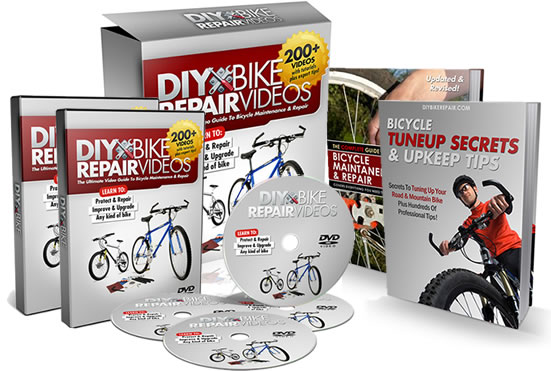
If you’re an avid cyclist or just someone who wants to save money on bike repairs, look no further than DIY Bike Repair Training. This comprehensive training program is designed to empower you with the skills and knowledge needed to tackle common bike repairs and maintenance tasks yourself.
One of the standout benefits of this product is its user-friendly format, which caters to beginners and seasoned riders alike. You’ll gain access to step-by-step video tutorials, detailed guides, and tips from experienced mechanics, ensuring you can confidently handle everything from fixing a flat tire to overhauling your bike’s gears.
Moreover, investing in DIY Bike Repair Training can save you significant amounts of money in the long run. Instead of paying for costly repairs at a bike shop, you can perform maintenance and repairs yourself, enhancing your bike’s longevity and performance.
Don’t miss out on the chance to enhance your cycling experience and become self-sufficient in bike repair. Visit the official website now to secure your own DIY Bike Repair Training. Your bike will thank you!
[page-generator-pro-related-links group_id=”161″]
Upgrade And Maintain Any Bicycle
- Keep your bike running smoothly with cleaning and lubrication best practices
- Benefit from three different instructors and teaching styles across three bike types
- Make bike maintenance feel practical, organized, and doable from home