Bicycle Repair How To can feel like a daunting task for many riders. You’re on a beautiful day out, enjoying a ride when suddenly, you hear the dreaded hiss of a flat tire or see the chain slip off completely. It’s that sinking feeling—a mix of frustration and helplessness—as you’re left wondering how you can quickly get back on track without having to schlep your bike down to a repair shop. But what if you could transform this challenge into an exciting DIY opportunity right in the comfort of your own home? The good news is that with just a few simple tools and a willingness to learn, you can tackle common issues with confidence and even develop a newfound appreciation for the inner workings of your trusty two-wheeler.
Learn Road, Race And Mountain Repairs
- Work through chapters organized by the bike’s mechanical systems for easy learning
- Get a 150-page illustrated manual to reference while you work in your home setup
- Use easy-to-follow demonstrations that make daunting tasks feel manageable
Imagine skipping the long wait at the bike shop and uncovering the satisfaction that comes from fixing your bicycle all on your own! In this article, we will guide you through seven exciting steps to repair your bicycle at home, empowering you with the knowledge and skills to keep your ride in peak condition. Each step is designed to demystify the repair process, enabling you to address common problems like flat tires, chain issues, and brake adjustments. With a little bit of guidance and a can-do attitude, you’ll not only save money but also elevate your cycling experience. So, grab your toolkit, roll up your sleeves, and let’s dive into making those repairs with flair!

7 Exciting Steps to Start Bicycle Repair at Home
Getting into bicycle repair can feel intimidating, but with the right approach and tools, you can easily transform your old bike issues into smooth rides! Here’s a step-by-step bicycle repair guide to help you get started. Grab your tools and let’s go!
Step 1: Assess Your Bike
Before diving into repairs, take a thorough look at your bike. Examine the frame for any cracks, check the wheels for wobbles, and ensure all components are secure. Understanding where the problems lie is crucial for effective bike repair.
Step 2: Gather Your Tools
Having the right tools is vital for effective DIY bike repair. Essential tools include:
- Tire levers
- Patch kit
- Multitool (featuring screwdrivers and wrenches)
- Chain breaker
- Pump or CO2 inflator
Consider picking up a comprehensive DIY Bike Repair Training program for detailed guidance on how to use each tool effectively. With the right knowledge, you’ll have the confidence to tackle any project!
Step 3: Fix Flat Tires
Flat tires are one of the most common bike issues, but they’re simple to fix. Start by removing the wheel and using tire levers to take off the tire. Inspect the inner tube for punctures, mark any holes, and use a patch kit to fix them.
After patching, reassemble the tire, inflate it, and check for leaks. Don’t forget to consider a high-quality tire pump to make tire inflation a breeze!
Step 4: Adjust Brakes and Gears
Functional brakes and gears are essential for safe riding. Start by checking the brake pads to ensure they are not worn out. Adjust them using your multitool until they sit correctly against the wheel rims.
For gear adjustments, shift the bike into gears and ensure that the chain moves smoothly. Use the adjustment screws on the derailleur as needed, and don’t hesitate to refer to videos on how to fix bike gear issues. Regularly tuning these components can make a big difference in performance.
Step 5: Lubricate the Chain
A well-lubricated chain extends the lifespan of your bike and ensures smooth gear transitions. Apart from lubrication, remember to clean your chain with degreaser. Use a clean cloth to wipe excess grime off the chain and then apply lubricant specifically designed for bicycle chains.
This simple step is a must in every bicycle maintenance routine and will lead to a significant improvement in your riding experience.
Step 6: True the Wheels
If your wheels are wobbly, they need to be trued. This can be done by loosening and tightening spokes. Use a spoke wrench to adjust the tension carefully. It’s all about balancing the wheel; if it’s uneven, you might need to replace some spokes. This is where a reliable DIY Bike Repair Training can guide you through the intricacies of truing your wheels.
Step 7: Cleanup and Final Checks
Once all repairs are done, take a moment to clean your bike. Use a soft cloth to wipe down the frame and remove any dust or grime. This routine maintenance not only keeps your bike looking good but also helps identify smaller mechanical issues early on.
Finish by doing a quick test ride to ensure everything feels right. Listen for any weird sounds and enjoy the smoothness of your ride!
Essential DIY Bike Repair Tools
Equipping yourself with the right toolkit is essential for effective bicycle maintenance. Here’s an extensive list of tools you’ll want to have on hand for all those exciting DIY bike repair projects:
- Tire Levers: These tools make removing and replacing tires easier.
- Patch Kit: To fix punctured tubes quickly.
- Multitool: This is a must-have for making quick adjustments while you’re on the go.
- Chain Breaker: Required for chain repairs and replacements.
- Bike Repair Stand: This provides stability while you’re working on your bike.
- Pump or CO2 Inflator: Essential for keeping your tires inflated.
Having these tools at your disposal allows you to approach each task with confidence, which ultimately leads to more successful DIY bike repair experiences!
How to Fix Common Bike Issues
Whether you’re a novice or a seasoned cyclist, you’ll inevitably come across common bike issues that might need your immediate attention. Let’s delve deeper into the most frequent problems and how to fix bike concerns step by step:
1. Squeaky Brakes
This issue often occurs due to dirt accumulation on brake pads. Cleaning them with rubbing alcohol can often resolve the noise. If the problem persists, you may need to replace the brake pads. Aside from that, ensure the brake cable is adequately lubricated.
2. Gears Won’t Shift
Difficulty in shifting can stem from a misadjusted derailleur or a dirty chain. Inspect and clean the derailleur, then make necessary adjustments with your multitool.
3. Loose Handlebars
If your handlebars are loose, use your wrench to tighten the stem bolts. If needing adjustment, this will also enhance your riding experience and control.
4. Flat Tires
As discussed in the previous section, flat tires can be easily managed using tire levers and a patch kit. It’s one of the most straightforward bike repair how-to tasks!
Becoming adept at solving common bike issues opens a new chapter for avid cyclists, making your bike maintenance journey an exciting one! Keeping in mind your gear adjustments and brake functionality will add longevity to your riding experience and ensure safety on the road.
Advanced Bicycle Maintenance Steps
Once you’ve mastered the basic bicycle repair how-tos, you might want to delve deeper into advanced maintenance. Let’s look into more complex tasks:
1. Overhaul the Bottom Bracket
This is an intricate task, and it may seem daunting. However, if your pedals feel rough or don’t move smoothly, it’s worth the effort. Start by removing the crank arms and the bottom bracket using a crank puller and bottom bracket tool. Clean and replace any worn bearings.
2. Replace Cables and Housing
Over time, cables fray and housing becomes rigid, reducing responsiveness. Replace old cables for smoother shifting and braking. Consult your bicycle repair guide to ensure you follow the right order.
3. Adjust Your Suspension
If you own a mountain bike, you might need to adjust the front or rear suspension. Check the manufacturer’s manual regarding the correct settings for your weight and riding style.
4. Tuning the Derailleurs
Fine-tuning the front and rear derailleur can enhance your gear shifting precision. This involves adjusting the limit screws as well as the cable tension. Practice patience here as proper derailleur setup provides better gear engagement during rides.
Each of these advanced steps builds on your foundational bicycle maintenance skills, giving you more confidence in your repair abilities! These processes can not only prolong the life of your bike but also allow you to enjoy every ride to the fullest.
The Ultimate At-Home Bike MasterClass
- Repair and maintain road, race, and mountain bikes with guidance tailored to each
- Keep your bike running smoothly with cleaning and lubrication best practices
- Get support through video chat or email when you need help on a tricky step
Maintaining Your Bike Like a Pro
Once you’re comfortable with basic repairs and advanced maintenance steps, it’s time to think long-term. Maintaining your bike like a pro involves regular inspections, cleaning, and preventive measures. Here are key practices to integrate:
1. Schedule Regular Check-Ups
Regularly inspect all components of your bike, including brakes, tires, and gears. Develop a routine every month or so to ensure everything is functioning correctly. Spotting issues early saves time and costly replacements later on.
2. Clean Your Bike After Every Ride
Grime buildup can lead to unnecessary wear. Take a few extra minutes after every ride to wipe down your bike, especially the chain and gears. This simple action can enhance the bike’s performance and extend its life.
3. Invest in Quality Parts
Choosing high-quality replacement parts can be a game-changer. Though they may cost more upfront, quality components improve performance and safety in the long run.
4. Document Your Maintenance
Keep a maintenance log to track repairs, replacements, and regular service. This practice helps you understand the typical wear and tear on your bike, allowing better planning for future maintenance.
When you apply these maintenance habits, you will genuinely feel like a pro in bicycle repair! Consistent upkeep leads to a smoother ride and boosts your confidence every time you push off.
Take Action Today!
Don’t wait for your bike issues to pile up. Start tackling your bicycle repair how-tos with the outlined steps today! Invest in some essential tools and consider joining a
What tools do I need to repair my bicycle at home?
Essential Tools for Bicycle Repairs
How do I fix a flat tire on my bicycle?
Steps to Repair a Flat Tire
How can I adjust the brakes on my bicycle?
Adjusting Bicycle Brakes
What should I do if my gears are not shifting properly?
Fixing Gear Shift Issues
How often should I perform maintenance on my bicycle?
Bicycle Maintenance Frequency
Conclusion
In summary, tackling bicycle repairs at home can be both rewarding and empowering. By following the seven exciting steps outlined—assessing your bike’s condition, gathering the right tools, fixing flat tires, tuning the brakes, adjusting the gears, cleaning and lubricating the chain, and ensuring proper tire pressure—you can enhance your cycling experience while saving time and money. Each step not only addresses common issues but also fosters a deeper understanding of your bicycle’s mechanics, leading to improved maintenance skills.
Moreover, these DIY repair strategies encourage a more sustainable approach to biking. By learning to fix your bike instead of relying on professional services, you contribute to reducing waste and promoting an eco-friendly lifestyle. Embracing these repairs not only gives you the satisfaction of self-sufficiency but also enhances your appreciation for your bicycle. With practice and patience, you’ll find that repairing your bike at home is not just a necessity but also an enjoyable hobby that can strengthen your connection with cycling. So, roll up your sleeves, grab your toolbox, and get ready to hit the road with confidence!
Recommendations
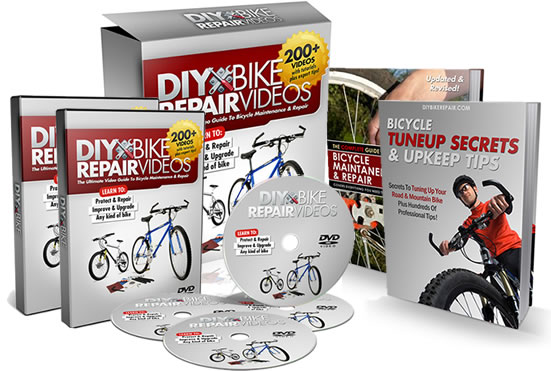
If you’re a cycling enthusiast or simply someone who relies on their bike for daily commuting, then the DIY Bike Repair Training is an invaluable resource for you! This comprehensive training program equips you with all the necessary skills to handle bike repairs and maintenance on your own, saving you time and money.
One of the standout benefits of this training is its step-by-step tutorials that are easy to follow, even for beginners. You’ll learn how to fix common issues such as punctured tires, broken chains, and brake adjustments, allowing you to enjoy your cycling without the fear of being stranded. Moreover, the program covers essential maintenance tips to keep your bike in top condition, prolonging its lifespan and enhancing your riding experience.
Additionally, by becoming proficient in bike repairs, you can gain the confidence to tackle more complex issues, making you less reliant on bike shops. This empowerment fosters a deeper connection with your bike and the cycling community.
Don’t miss out on the chance to improve your bike maintenance skills and save money in the long run. Visit the official website now and get started with the DIY Bike Repair Training!
[page-generator-pro-related-links group_id=”161″]
Upgrade And Maintain Any Bicycle
- Keep your bike running smoothly with cleaning and lubrication best practices
- Benefit from three different instructors and teaching styles across three bike types
- Make bike maintenance feel practical, organized, and doable from home