Master Your Bike's Gear Adjustment
Get your gears shifting smoothly with ease.
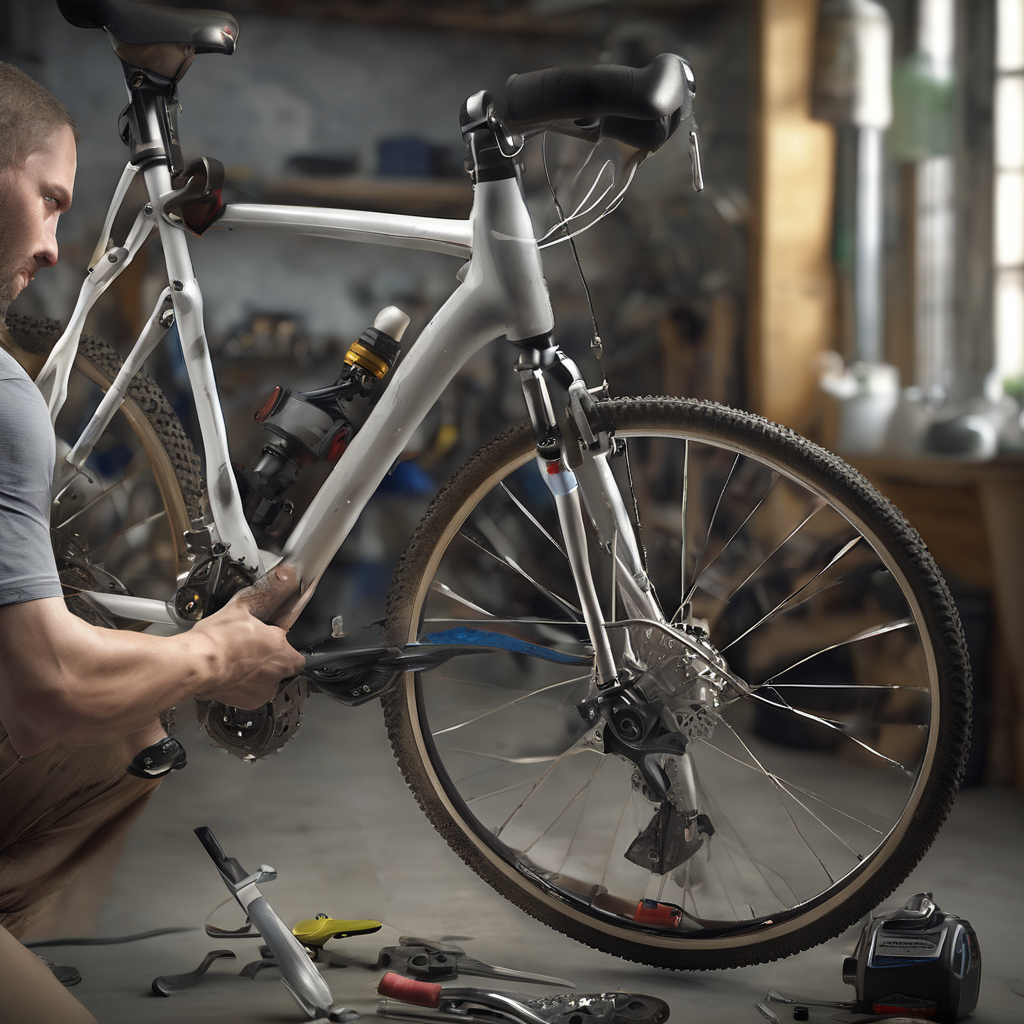
Gear adjustment is key to a smooth ride. Properly tuned gears ensure your bike performs well, making your cycling experience enjoyable and efficient. Whether you're facing skipping gears or difficulty shifting, this guide will help you understand how to adjust your bike's gears like a pro. Let’s dive into the essential steps and tips for perfecting your gear setup.
Key highlights
- Understand gear types
- Learn adjustment techniques
- Identify common issues
- Use the right tools
- Enjoy a smoother ride
How to choose (and common mistakes)
Choosing the right gear adjustment method depends on your bike type and the specific issue you're facing. Start by identifying whether your bike has derailleurs or hub gears. Common mistakes include adjusting without checking cable tension first or neglecting to clean the components before making adjustments. Always refer to your bike’s manual or manufacturer guidelines for specific instructions. If you feel unsure, consider watching tutorial videos or consulting with a local bike shop for advice tailored to your bike model.
⚡ Quick Picks
Three strong options to start with. Pick one that matches your goal, then jump to the guides below.
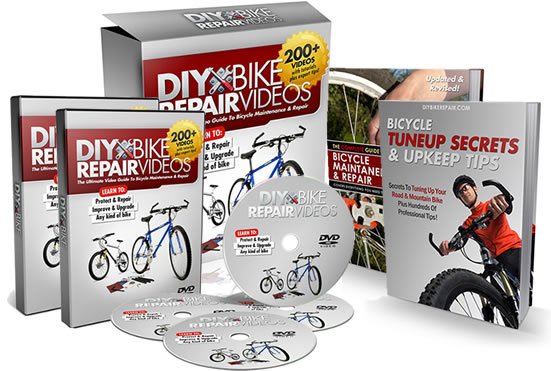
The Ultimate Bicycle Repair MasterClass
Over 200+ Videos (10 Hours) – step-by-step instructions
How To Fix, Repair & Maintain Your Own Bicycle In 2 Hours Or Less… With The Ultimate Bike Repair Course

Bicycle Repair Kit
16 in 1 Bike Multitool
Bicycle Repair Bag With Tire Pump, Portable Tool Kit for Camping Travel – Bike Glueless Patches, Maintenance Essentials All in One Safety Kit

Adjustable Bike Workstand
360 Degree Rotable Clamp
CXWXC Bike Workstand with Adjustable, Bicycle Repair Stand for Maintenance Folding and Lightweight
We hand-pick these based on real testing and reviews.
Related Topics
Brake Adjustment
Frame Cleaning and Protection
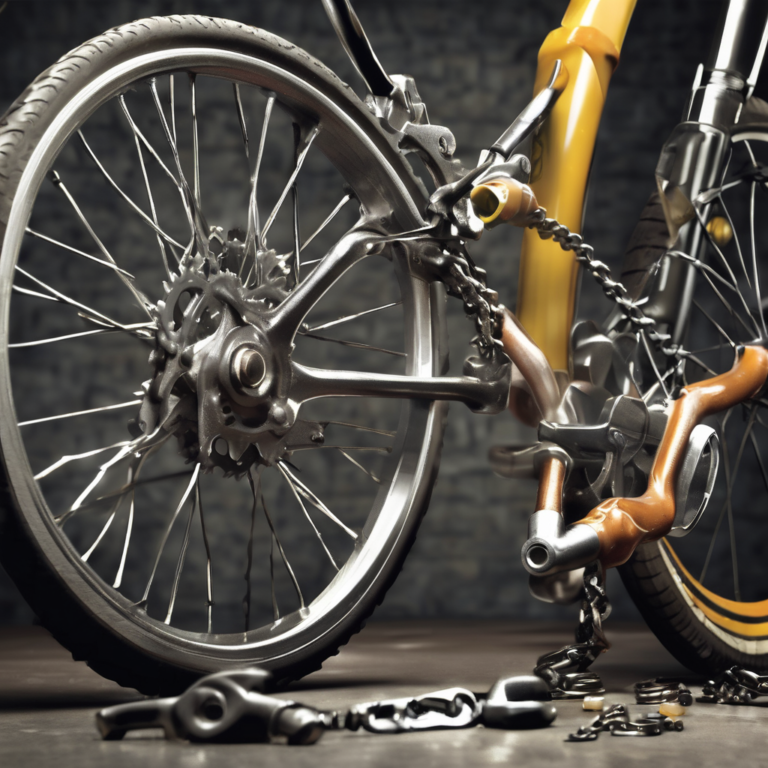
Chain Cleaning and Lubrication
Tire Inflation and Repair
Latest Guides

How to Identify Common Brake Issues and Fix Them
Troubleshooting Brake Warning LightsBrake warning lights can signal various issues within a vehicle’s braking system. Immediate attention is crucial when […]
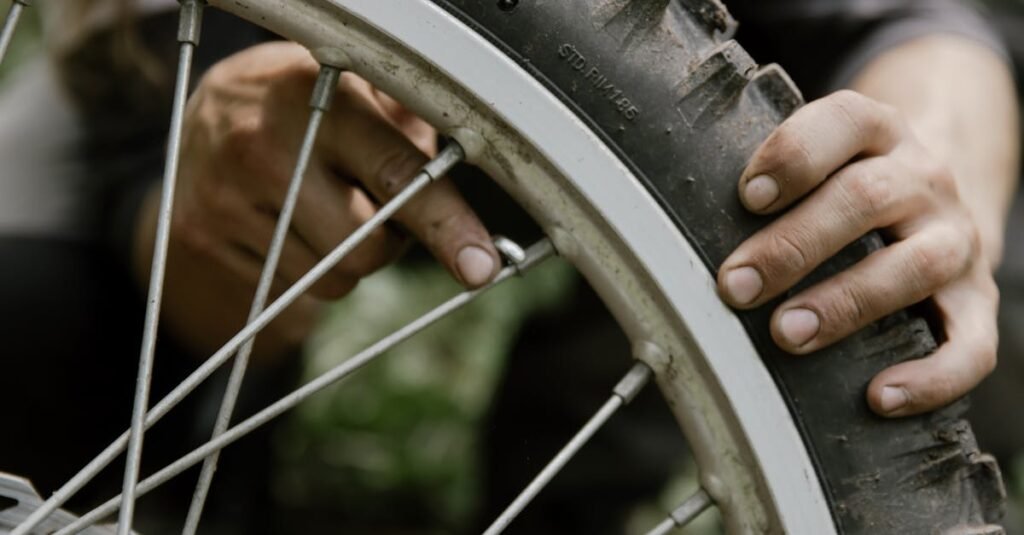
How to Properly Adjust Bicycle Brakes for Optimal Performance
Adjusting Disc Brakes Properly adjusting disc brakes involves a few fundamental steps that ensure optimal performance and safety. First, check […]

What to Consider When Upgrading Your Bicycle Brake System
Performance Characteristics When selecting a brake system for your bicycle, understanding stopping power and modulation is essential. Stopping power refers […]

What to Do If Your Bicycle Brakes Feel Spongy
Adjusting Cable Tension A bicycle’s brake performance often relies heavily on the correct cable tension. If the tension is too […]

Why You Should Invest in Quality Brake Components
Choosing the Right Brand Selecting a reputable brand is crucial when it comes to brake components. The market is filled […]

A Historical Overview of Bicycle Brake Development
Innovations in Hydraulic Braking Systems In the quest for enhanced braking performance, engineers have turned to hydraulic systems to provide […]

Why Regular Brake Adjustment is Crucial for Safe Riding
Regular Maintenance Practices Maintaining your brakes involves more than just checking them when issues arise. A proactive approach incorporates routine […]

7 Essential Tips for Perfecting Brake Adjustment Techniques
Routine Maintenance for Brake Systems Maintaining the brake system is essential for vehicle safety and longevity. Regular inspections are necessary […]

Roundup of Common Brake Adjustment Mistakes to Avoid
Neglecting Brake Fluid Levels Maintaining proper brake fluid levels is crucial for vehicle safety and performance. Low fluid can lead […]
How We Choose & Recommend
Short, practical guidance first—then product picks when you are ready.
- We compare features and real-world use cases for Gear Adjustment.
- We scan user feedback for patterns (not one-off opinions).
- We call out trade-offs so you can pick confidently.
FAQ
How do I know if my gears need adjusting?
If your bike is skipping gears or making noise while shifting, it’s time to adjust. Start by checking the cable tension; if it’s too loose, the derailleur won’t shift properly. Also, listen for unusual sounds when pedaling, as this can indicate misalignment. Regular maintenance can prevent these issues, so check your gears frequently.
What tools do I need for gear adjustment?
Essential tools include a 5mm Allen wrench, a screwdriver, and a chain cleaner. A cable cutter can also be useful for replacing worn cables. Make sure your tools are in good condition to avoid damaging components. Having the right tools on hand will make the adjustment process smoother and more efficient.
Can I adjust my gears without special tools?
While some adjustments can be made by hand, especially on simpler bikes, having basic tools makes the process easier. You can often use a flathead screwdriver for limit screws, but for cable adjustments, a proper tool is recommended. If you're unsure, consider asking for help at a bike shop to ensure proper adjustments.
What should I do if my gears still don’t shift smoothly?
If your gears are still misbehaving after adjustments, check the derailleur alignment. It might be bent or misaligned, which can cause shifting issues. Also, examine the chain for wear and ensure it’s properly lubricated. If problems persist, seeking professional help might be the best option to avoid further damage.
How often should I check my bike's gears?
It’s a good idea to check your bike’s gears every few weeks, especially if you ride frequently. Pay attention to any changes in performance. Regular checks help catch issues early, preventing costly repairs later. Keeping your bike clean and lubricated is essential for maintaining smooth gear shifts.
⭐ Our Top 3 Best Bicycle Repair Guides & Tools for 2026
The Ultimate Bicycle Repair MasterClass
Over 200+ Videos (10 Hours) – step-by-step instructions
How To Fix, Repair & Maintain Your Own Bicycle In 2 Hours Or Less… With The Ultimate Bike Repair Course
Bicycle Repair Kit
16 in 1 Bike Multitool
Bicycle Repair Bag With Tire Pump, Portable Tool Kit for Camping Travel – Bike Glueless Patches, Maintenance Essentials All in One Safety Kit
Adjustable Bike Workstand
360 Degree Rotable Clamp
CXWXC Bike Workstand with Adjustable, Bicycle Repair Stand for Maintenance Folding and Lightweight
We hand-pick these based on real testing and reviews.