How to Adjust Bicycle Brakes: A Step-by-Step DIY Guide
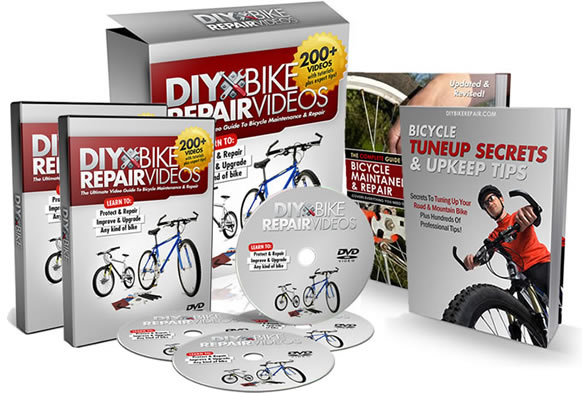
DIY Bike Repair
Looking for an honest, in-depth look at DIY Bike Repair? Below you’ll find a full review, but you can also check out the official page here:
Properly adjusting your bicycle brakes is essential for safe riding and optimal performance. Whether you’re experiencing squeaky brakes, poor stopping power, or uneven pad wear, learning to adjust bicycle brakes yourself can save you time and money. This guide will walk you through the basics of brake adjustment, common mistakes to avoid, and troubleshooting tips to keep your bike’s braking system in top shape.
Disclosure: As an affiliate, I may receive a commission if you purchase through links on this page at no cost for you.
Why Adjusting Bicycle Brakes Matters
Brakes are one of the most critical safety components on your bike. Over time, brake pads wear down, cables stretch, and components shift out of alignment. If your brakes are not properly tuned, you risk longer stopping distances or even brake failure. Regular maintenance and timely adjustments ensure that your bike responds quickly and reliably when you need it most.
Types of Bicycle Brakes
Before you start, identify your bike’s brake system as the adjustment method may vary:
- Rim brakes (caliper, cantilever, V-brakes): Brake pads press on the wheel rim.
- Disc brakes (mechanical or hydraulic): Pads clamp onto a rotor attached to the wheel hub.
This guide focuses primarily on rim brakes, but many principles apply to mechanical disc brakes as well.
Tools You’ll Need for Bike Brake Repair
- Allen wrenches (usually 4mm or 5mm)
- Adjustable wrench or spanner
- Needle-nose pliers
- Clean rag
- Bike lubricant (for cables and pivots)
Step-by-Step Guide to Adjusting Bicycle Brakes
1. Inspect Brake Pads and Replace if Needed
Start by checking your brake pads. If they are worn down past the indicator line or unevenly worn, it’s time to replace brake pads. Proper pad condition is crucial for effective braking.
2. Center the Brake Calipers
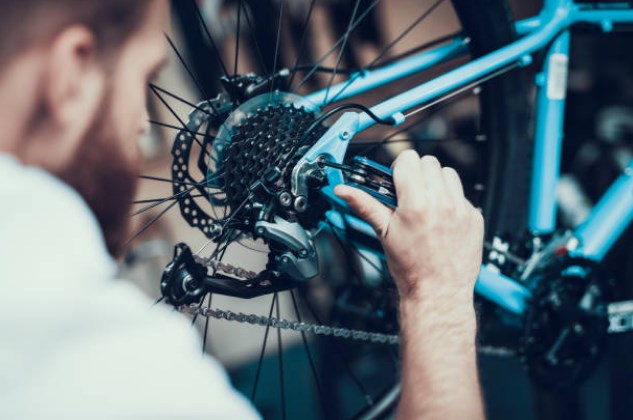
Squeeze the brake lever and observe if both pads contact the rim simultaneously. If one pad hits before the other, loosen the mounting bolt and adjust the caliper position until pads are centered.
3. Adjust the Brake Cable Tension
Brake cables can stretch over time, causing a spongy lever feel and reduced braking power. Use the barrel adjuster near the brake lever or caliper to fine-tune tension:
- Turn barrel adjuster counterclockwise to increase cable tension (pads move closer to rim).
- Turn clockwise to reduce tension.
If the barrel adjuster is at its limit, you may need to loosen the cable bolt, pull the cable tighter by hand, and retighten.
4. Align Brake Pads Properly
Ensure brake pads make full contact with the rim braking surface—not the tire or too low. Pads should be parallel to the rim and should not touch the tire sidewall.
5. Test the Brakes
Spin the wheel and apply the brake lever. The wheel should stop quickly without rubbing when the lever is released. Adjust further if needed.
Common Mistakes When Adjusting Bike Brakes
- Ignoring worn brake pads: Pads that are too worn reduce braking efficiency and can damage rims.
- Over-tightening cables: Can cause brake drag and premature wear.
- Misaligned brake pads: Pads touching the tire or missing the rim can cause poor performance or damage.
- Not lubricating pivot points: Dry pivots lead to stiff brakes and uneven pad wear.
Troubleshooting Brake Issues
| Problem | Possible Cause | Solution |
|---|---|---|
| Brake lever feels spongy | Stretched cable or hydraulic air in lines | Adjust cable tension or bleed hydraulic brakes |
| Brakes rub when not applied | Misaligned pads or calipers | Center calipers and adjust pad position |
| Brake pads wear unevenly | Incorrect pad angle or loose mounting | Realign pads and tighten mounting bolts |
| Brakes don’t stop effectively | Worn brake pads or contaminated rims | Replace pads and clean rims with rubbing alcohol |
Additional Tips for Maintaining Your Brakes
- Regularly clean rims and brake pads to remove dirt and residue.
- Lubricate brake cable housing and pivot points to ensure smooth operation.
- Check brake cables for fraying and replace if damaged.
- Test brakes before every ride to ensure safety.
Learn More About DIY Bike Repair
Mastering brake adjustment is just one part of keeping your bike in great shape. If you want to deepen your knowledge and gain confidence in all aspects of bike maintenance, consider an expert-led course that covers everything from basic tune-ups to advanced repairs.
With over 200 detailed videos and step-by-step manuals, you can learn how to tune bike brakes, replace parts, and maintain your bike like a pro—all from home.
Ready to Take the Next Step?
If DIY Bike Repair sounds like the right fit after reading this review, you can visit the official page and see all the details straight from the vendor.