Mountain Bike Suspension Maintenance: A Practical Guide for DIY Enthusiasts
DIY Bike Repair
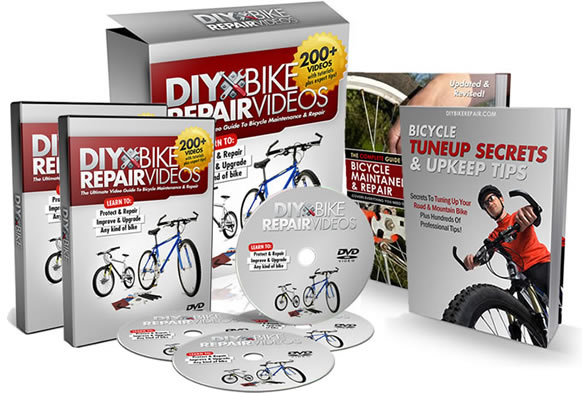
Looking for an honest, in-depth look at DIY Bike Repair? Below you’ll find a full review, but you can also check out the official page here:
Proper mountain bike suspension maintenance is essential for a smooth and controlled ride on rugged trails. Whether you’re a seasoned rider or a weekend warrior, understanding how to tune air forks, adjust rear suspension, and apply suspension damper tips can significantly improve your bike’s performance and longevity. This guide provides actionable advice to help you maintain your suspension system yourself, saving time and money while ensuring your bike handles at its best.
Disclosure: As an affiliate, I may receive a commission if you purchase through links on this page at no cost for you.
Why Suspension Maintenance Matters
Mountain bike suspension absorbs shocks and smooths out rough terrain, protecting both you and your bike. However, suspension components like air forks and rear shocks require regular maintenance to operate effectively. Neglecting this can lead to poor handling, increased wear, and costly repairs. Routine care keeps your suspension responsive, safe, and enjoyable to ride.
How to Tune Air Forks
Air-sprung forks are popular for their adjustable performance and lightweight design. Tuning them correctly can make a big difference in ride quality.
- Check Air Pressure: Use a shock pump to measure and adjust the air pressure to match your weight and riding style. Refer to your fork manufacturer’s recommended pressure range.
- Set the Sag: Sag is the amount the fork compresses under your weight. Aim for about 20-30% sag for most trail riding. Sit on the bike in full gear and measure how far the fork compresses; adjust air pressure accordingly.
- Adjust Rebound: Rebound controls how fast the fork returns after compression. Too fast can cause bouncing; too slow can make the ride feel harsh. Use the rebound dial to find a smooth, controlled return.
- Inspect Seals and Lubricate: Keep the fork stanchions clean and apply suspension-specific lubricant to the seals regularly to prevent dirt intrusion and wear.
Adjust Rear Suspension for Optimal Performance
The rear suspension enhances traction and rider comfort but requires careful adjustment to work effectively.
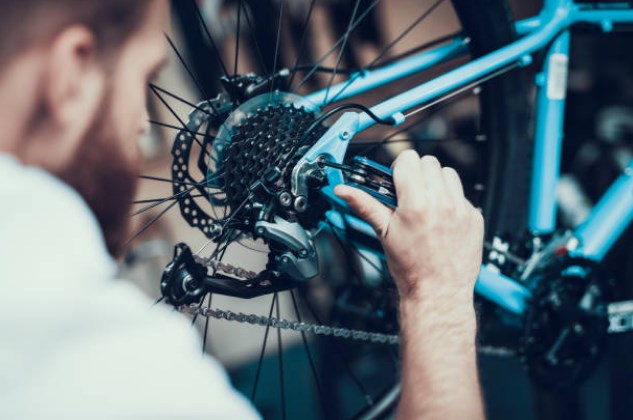
- Set the Sag Properly: Similar to the front fork, rear suspension sag should typically be around 25-30%. Adjust the air pressure or coil preload to achieve this.
- Fine-tune Compression Damping: Compression damping controls how the shock absorbs impacts. For smoother trails, use softer compression; for aggressive riding and jumps, increase compression to prevent bottoming out.
- Adjust Rebound Damping: Like the front fork, rebound damping affects how the shock recovers. Proper rebound prevents the bike from feeling bouncy or harsh.
- Check for Leaks and Clean: Regularly inspect the shock for oil leaks and clean the exterior to avoid dirt buildup that can damage seals.
Suspension Damper Tips for Longevity and Performance
Dampers control suspension movement and are vital for smooth ride dynamics. Keeping them in good condition requires attention to detail:
- Regular Servicing: Suspension dampers should be serviced according to manufacturer recommendations, typically every 50-100 hours of riding. This involves replacing oil and inspecting internal components.
- Use Quality Lubricants: Always use the recommended suspension oils and greases to maintain optimal damping performance.
- Avoid Harsh Conditions: Rinse your suspension after wet or muddy rides to prevent abrasive dirt from causing premature wear.
- Monitor Performance Changes: If you notice reduced damping effectiveness or unusual noises, it may be time for a professional service or rebuild.
Basic Suspension Maintenance Checklist
| Task | Frequency | Notes |
|---|---|---|
| Clean fork stanchions and shock shafts | After every ride | Use a soft cloth and avoid harsh chemicals |
| Check and adjust sag | Monthly or after changing tires/gears | Use a shock pump and sag meter |
| Lubricate seals and bushings | Every 25-40 hours of riding | Use suspension-specific lubricants |
| Full damper service (oil change, inspection) | Every 50-100 hours | Consider professional service if unfamiliar |
DIY Bike Repair: Taking Control of Your Suspension Maintenance
Maintaining your mountain bike suspension on your own is achievable with the right knowledge and tools. Learning how to tune air forks and adjust rear suspension not only saves money but also deepens your connection with your bike. For those interested in a comprehensive, step-by-step approach to all types of bike repair and maintenance, including suspension systems, consider exploring dedicated courses designed for DIY enthusiasts.
Learn Professional DIY Bike Repair
Additional Tips for Suspension Care
- Keep your suspension components protected from dirt and debris by wiping them down after each ride.
- Store your bike in a dry place to prevent corrosion on suspension parts.
- Use a shock pump with a precise gauge for accurate air pressure adjustments.
- Periodically check bolts and mounting hardware for correct torque settings.
By regularly maintaining your mountain bike suspension, you ensure a safer and more enjoyable ride every time you hit the trails. Don’t let suspension issues slow you down—take charge with these maintenance tips and keep your bike in peak condition.
Start Your DIY Suspension Maintenance Today
Ready to Take the Next Step?
If DIY Bike Repair sounds like the right fit after reading this review, you can visit the official page and see all the details straight from the vendor.