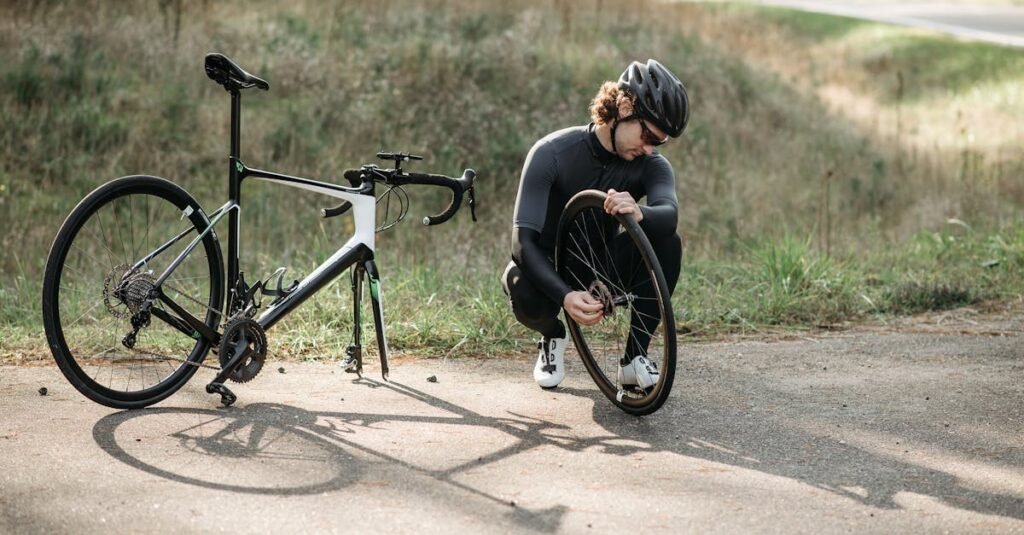
Using a Truing Stand
Learn Road, Race And Mountain Repairs

- Work through chapters organized by the bike’s mechanical systems for easy learning
- Get a 150-page illustrated manual to reference while you work in your home setup
- Use easy-to-follow demonstrations that make daunting tasks feel manageable
A truing stand serves as an essential tool for achieving precision in wheel alignment. It provides a stable platform that allows for easy observation of the wheel’s lateral and radial runout. By placing the wheel in the stand, the user can spin it freely, making it simple to identify any wobbles or inconsistencies. This visibility greatly aids in making accurate adjustments, ensuring the spokes are tightened or loosened uniformly for optimal performance.
Using a truing stand helps streamline the process considerably, reducing the chances of errors that can occur when adjusting wheels by hand. The adjustable indicators on the stand allow for precise measurements, making it easy to achieve the desired straightness. Additionally, the stability provided by the stand allows for a more comfortable working position, enabling the mechanic to focus on making the necessary tweaks rather than balancing the wheel.
Benefits of a Dedicated Truing Setup
A dedicated truing setup provides precision that is difficult to achieve with makeshift methods. The ability to adjust tension on spokes from various angles ensures a more accurate true. These stands often feature indicators that inform the user when the rim deviates from alignment. This immediate feedback streamlines the process, allowing for quick corrections and leading to a smoother ride.
Using a truing stand can also enhance the longevity of your wheels. Consistent attention to rim straightness reduces stress on spokes and other components, which prevents premature wear. This setup encourages regular maintenance, helping bicycle enthusiasts keep their wheels in optimal condition. A reliable truing system saves time and effort in the long run, offering better overall performance without frequent need for repairs.
Truing Wheels Without a Stand
Adjusting bicycle wheels without a truing stand requires a few essential tools and a keen eye. Start by inspecting the wheel for any obvious wobbles or misalignments. Spin the wheel slowly while looking down the length of it to identify high and low points. Use a spoke wrench to tighten or loosen spokes accordingly. Remember, adjusting is not about brute strength; small, gradual adjustments yield the best results.
Maintain awareness of the tension in each spoke while working. Ensuring even tension throughout the wheel is crucial for proper alignment and overall wheel integrity. After making adjustments, give the wheel another spin to check your progress. Repeat the process as necessary until you achieve a straight wheel that runs smoothly in the frame. Patience and attention to detail during this method can lead to effective results without needing specialized equipment.
Techniques for DIY Wheel Adjustment
Adjusting the alignment of your bicycle wheels can be accomplished effectively without a truing stand. One method involves using the bike’s frame or brake pads as a reference point. By spinning the wheel and observing how it interacts with the brake pads or the frame, you’ll be able to identify where the wheel is misaligned. This visual cue helps in locating high and low spots, allowing you to make precise adjustments to the spoke tension.
After identifying the problem areas, you can begin adjusting the spokes using a spoke wrench. Tightening spokes on one side while loosening those on the opposite side can help bring the rim back into alignment. Make small adjustments incrementally, checking the wheel’s true alignment frequently during the process. This careful method ensures you don’t overcorrect, which can lead to new issues. Regular practice will improve your skills and confidence in achieving a well-trued wheel.
The Ultimate At-Home Bike MasterClass
- Repair and maintain road, race, and mountain bikes with guidance tailored to each
- Keep your bike running smoothly with cleaning and lubrication best practices
- Get support through video chat or email when you need help on a tricky step
Maintaining Wheel Integrity
Regular maintenance of bicycle wheels is essential to ensure their performance and lifespan. Inspecting the rim for dents, cracks, or signs of damage can prevent larger issues down the road. Pay attention to spoke tension as well; loose spokes can lead to incomplete truing and compromised wheel integrity. Proper maintenance often involves adjusting spoke tension evenly around the wheel to distribute stress uniformly.
Cleaning the rims and braking surfaces is another critical aspect of preserving wheel integrity. Dirt and debris can affect braking efficiency and lead to premature wear. Utilizing a mild detergent and a soft cloth keeps the rims in optimal condition. Additionally, checking the hub bearings for smoothness during maintenance can reveal potential problems early, ensuring that both the wheels and the overall bike function effectively.
Regular Checks for Longevity
Regular inspections can significantly enhance the lifespan of bicycle wheels. Riders should check for signs of wear or damage, including cracks in the rim and frayed spokes. This proactive approach allows for early identification of issues that could lead to more severe problems if left unaddressed. Keeping an eye on the tension of spokes is equally important. Unevenly tensioned spokes can lead to structural weakness, compromising the integrity of the wheel.
Routine maintenance also involves maintaining proper tire pressure. Underinflated tires can cause excessive strain on the wheels, leading to deformation over time. Regularly cleaning the rims and spokes helps prevent dirt buildup that can affect performance. Diligent care of wheel components not only ensures a smoother ride but also saves time and money in long-term repairs.
FAQS
What is wheel truing and why is it important?
Wheel truing is the process of adjusting the tension of the spokes to ensure the wheel is straight and true, which is crucial for safe riding, optimal performance, and prolonging the life of the wheel.
Can I true my bicycle wheels without a truing stand?
Yes, you can true your bicycle wheels without a dedicated truing stand by using techniques such as the “zip tie method” or by spinning the wheel in the bike frame and observing the alignment using the brake pads.
How often should I check the trueness of my bicycle wheels?
It is recommended to check the trueness of your bicycle wheels regularly, especially after hard rides, crashes, or hitting large potholes. A general guideline is to inspect them every few months or during routine maintenance.
What are some signs that my bicycle wheels need truing?
Signs that your bicycle wheels may need truing include a wobbling sensation when riding, uneven brake engagement, or visible gaps between the brake pads and the rim when the wheel is spinning.
Is it difficult to learn how to true bicycle wheels?
While it may take some practice to master wheel truing, with the right tools and techniques, it is a manageable skill for most cyclists. Following guides and watching instructional videos can help simplify the learning process.
Related Links
How to Identify Common Wheel Truing Issues
Roundup of Wheel Truing Tools and Techniques
Upgrade And Maintain Any Bicycle
- Keep your bike running smoothly with cleaning and lubrication best practices
- Benefit from three different instructors and teaching styles across three bike types
- Make bike maintenance feel practical, organized, and doable from home