Troubleshooting Wheel Problems
Learn Road, Race And Mountain Repairs
- Work through chapters organized by the bike’s mechanical systems for easy learning
- Get a 150-page illustrated manual to reference while you work in your home setup
- Use easy-to-follow demonstrations that make daunting tasks feel manageable
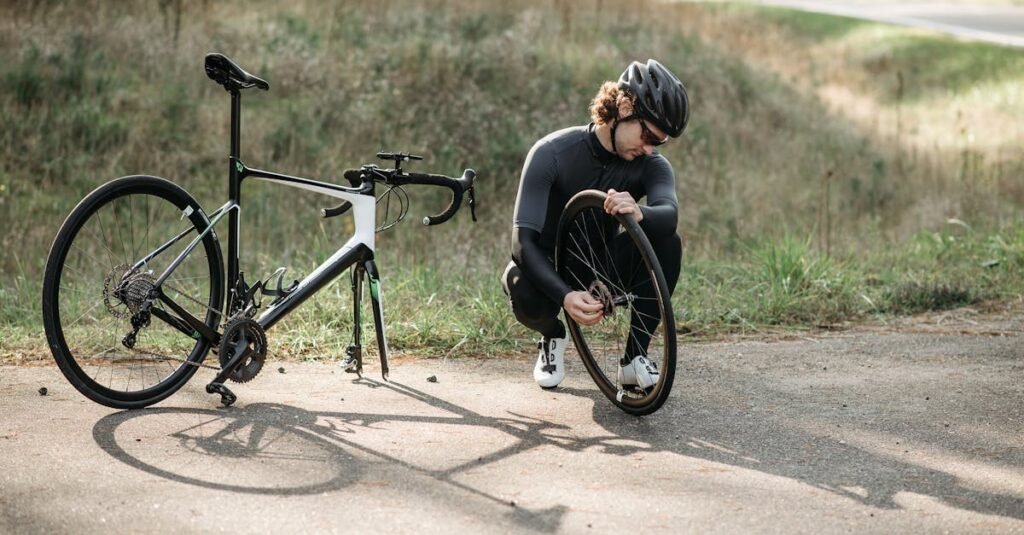
When experiencing wheel issues, the first step involves carefully inspecting the wheel for any visible damage. Look for bent rims, uneven wear on the tire tread, or any loose spokes. A spoken wheel can lead to significant imbalances, affecting both safety and performance. If the wheel spins unevenly or exhibits a wobble, the problem may stem from improper truing or alignment.
After identifying any potential issues, testing the wheel’s integrity becomes crucial. Spin the wheel while observing for any irregularities in motion. Use a truing stand if available to check for lateral and radial runout. Often, minor adjustments can restore the wheel to optimal condition. For more significant damage, replacing parts or seeking professional help may be necessary to ensure safety on the road.
Identifying and Solving Common Issues
Worn-out or damaged spokes can lead to a host of wheel issues, including a noticeable wobble during rides. A visual inspection can help reveal any variations in spoke tension, as some may appear loose while others remain tight. Tuning the spokes to the proper tension using a spoke wrench not only stabilizes the wheel but ensures a smoother ride. Regular checks after extensive use can identify these problems early, preventing more severe damage down the line.
Another common issue is the rim’s lateral or vertical misalignment. This misalignment often presents as a bike that pulls to one side or a rim that rubs against brake pads during rotation. To correct this, one can use a truing stand or a simple method involving the brake calipers to assess where adjustments are needed. Adjusting the rim’s alignment correctly will restore its function and improve overall handling, making the bike feel more responsive.
Impact of Wheel Issues on Ride Quality
Wheel problems can significantly affect the overall comfort and safety of a ride. Issues such as a wobbly wheel or improper alignment create vibrations that can be felt throughout the vehicle. When wheels are untrue, the vehicle may pull to one side, causing the driver to exert extra effort to maintain a straight course. This can lead to fatigue on long trips and reduce control in critical driving situations.
Additionally, misaligned or damaged wheels may lead to uneven tire wear. Tires that wear unevenly can result in a shorter lifespan, necessitating earlier replacements. This not only impacts the budget but also compromises performance and handling. Drivers may find themselves needing to replace tires more frequently if wheel issues persist, ultimately diminishing the overall driving experience.
How Misaligned Wheels Affect Performance
Misalignment in wheels can lead to uneven tire wear. This not only reduces the lifespan of the tires but can also compromise traction, especially during turns or wet conditions. When wheels are out of alignment, the vehicle may pull to one side, causing the driver to constantly adjust steering. This continual correction can result in fatigue and decreased focus, which can be particularly dangerous on long drives or in heavy traffic situations.
A vehicle with misaligned wheels may struggle with fuel efficiency. Increased resistance from misaligned tires forces the engine to work harder, ultimately consuming more fuel. Furthermore, the ride quality suffers due to vibrations and instability, which can affect passenger comfort and safety. Addressing wheel alignment issues promptly is crucial for maintaining both performance and overall driving experience.
The Ultimate At-Home Bike MasterClass
- Repair and maintain road, race, and mountain bikes with guidance tailored to each
- Keep your bike running smoothly with cleaning and lubrication best practices
- Get support through video chat or email when you need help on a tricky step
Preventative Maintenance for Wheels
Regular inspection is crucial for maintaining wheels in optimal condition. This includes checking for any signs of wear or damage such as cracks, dents, or bent rims. A simple visual inspection can often reveal issues that might otherwise go unnoticed. Keeping the wheels clean can also prevent dirt and debris from causing corrosion or other problems that may affect performance.
Proper tire inflation is another essential aspect of wheel maintenance. Under-inflated tires can lead to uneven wear and increased risk of blowouts, while over-inflated tires may reduce traction and negatively impact the ride quality. Rotating tires periodically ensures even wear across all tires, extending their lifespan. By taking these proactive steps, one can significantly reduce the likelihood of complications and enhance overall ride experience.
Tips for Keeping Wheels in Optimal Condition
Regularly checking your wheel alignment and tension can help prevent many common issues. Use a spoke tension meter to ensure that each spoke has an even tension, as uneven tension can lead to warping. Additionally, periodically inspecting the wheel for any signs of damage, such as cracks or bent rims, is essential. Early detection ensures that small issues do not escalate into larger, more costly problems.
Cleaning your wheels is another crucial step in maintenance. Removing dirt and debris can prevent buildup that could affect performance and integrity. Lubricating moving parts, like the hub bearings, reduces friction, enhancing smoothness while riding. Make sure the brake surfaces are also free from contaminants, as brake performance directly relates to wheel condition. Regular maintenance promotes longevity and optimal function of your wheels.
FAQS
What is wheel truing and why is it important?
Wheel truing is the process of adjusting the alignment and shape of a wheel to ensure it spins evenly and smoothly. It’s important because properly trued wheels enhance ride quality, improve performance, and extend the lifespan of both the wheels and the bike.
How can I tell if my wheels are out of true?
Common signs of out-of-true wheels include wobbling when the bike is in motion, uneven brake pad wear, and a noticeable vibration in the handlebars. Additionally, you may see gaps between the rim and brake pads when the wheel is spun.
What tools do I need to true my wheels?
To true your wheels, you will typically need a truing stand, a spoke wrench, and a tension meter. A simple method can be done with the bike mounted in a work stand and using a caliper or a fixed point to check for deviations.
Can I fix wheel truing issues myself, or should I take it to a bike shop?
Many minor wheel truing issues can be fixed at home with the right tools and some practice. However, if you’re unsure or dealing with significant damage, it’s best to take your wheels to a professional bike shop for repair.
How often should I check my wheels for truing issues?
It’s a good practice to check your wheels for truing issues regularly, especially after rough rides or any incidents like hitting a pothole. At a minimum, inspect them during routine maintenance checks, typically every few months or before long rides.
Related Links
What to Know Before Truing a Wheel
How to Effectively True Your Bicycle Wheels
Upgrade And Maintain Any Bicycle
- Keep your bike running smoothly with cleaning and lubrication best practices
- Benefit from three different instructors and teaching styles across three bike types
- Make bike maintenance feel practical, organized, and doable from home