Performance Characteristics
Learn Road, Race And Mountain Repairs
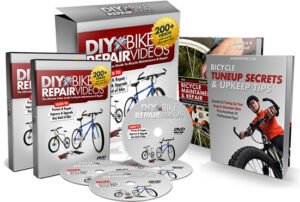
- Work through chapters organized by the bike’s mechanical systems for easy learning
- Get a 150-page illustrated manual to reference while you work in your home setup
- Use easy-to-follow demonstrations that make daunting tasks feel manageable
When selecting a brake system for your bicycle, understanding stopping power and modulation is essential. Stopping power refers to how effectively the brakes can bring the bike to a halt. This characteristic is influenced by the brake type, such as disc or rim brakes, and the materials used in the brake pads. Modulation is the ability to control the braking force that is applied, allowing a rider to feel more connected to the bike and adjust their braking based on the situation.
Different brake systems exhibit varying performance traits. For instance, disc brakes generally provide superior stopping power in wet conditions compared to rim brakes. They also offer better modulation, which enhances the rider’s ability to manage their speed. Understanding these nuances can help you choose a system that aligns with your riding style and the terrain you typically navigate.
Stopping Power and Modulation
When evaluating brake systems for your bicycle, understanding stopping power is crucial. This refers to how effectively the brakes can bring the bike to a halt. Generally, hydraulic brakes tend to offer superior stopping power compared to mechanical systems, especially in wet or challenging conditions. Riders often notice that hydraulic brakes engage smoothly and provide more consistent performance under varying circumstances.
Modulation describes the control a rider has when applying the brakes. It is important for maintaining stability and balance while slowing down or stopping. A system that allows for fine adjustments can enhance safety and comfort on rides. Riders often prefer brakes that enable them to engage and release pressure gradually, which helps prevent sudden stops that could lead to loss of control or skidding. Investing in a brake system with excellent modulation can significantly improve overall riding experience.
Maintenance and Durability
Proper maintenance of your bicycle’s brake system is essential for ensuring optimal performance and longevity. Regularly inspecting brake pads for wear, checking fluid levels in hydraulic systems, and ensuring cables are not frayed can prevent issues before they arise. Keeping your brake components clean and free from debris also enhances their effectiveness. Attention to these details can significantly prolong the lifespan of your brakes and improve your overall riding experience.
Different brake systems have varying durability levels, often dictated by their construction and materials. Disc brakes generally offer better performance in wet conditions and require less frequent adjustments. Rim brakes, while lighter and easier to maintain, may wear out faster depending on the type of riding and environmental factors. Knowing the specifics of your brake type can help in planning maintenance schedules and anticipating potential replacements, allowing for a more seamless cycling experience.
Lifespan of Various Brake Systems
The lifespan of different bicycle brake systems varies significantly. Rim brakes typically have a shorter lifespan due to wear on the brake pads and the rim surface itself. Depending on conditions and usage, cyclists can expect to replace rim brake pads every few hundred to a couple thousand miles. Disc brakes, on the other hand, often provide longer service intervals. The rotors can last for several seasons with proper maintenance, while pads are designed to endure extensive usage.
Factors such as riding style, terrain, and weather conditions play a crucial role in determining longevity. Riders who frequently face muddy trails may find their brake pads wearing down faster. Conversely, those using their bikes primarily on smooth urban roads may extend the lifespan of their brake components. Regular inspections and timely replacements are essential for ensuring optimal braking performance and safety.
The Ultimate At-Home Bike MasterClass
- Repair and maintain road, race, and mountain bikes with guidance tailored to each
- Keep your bike running smoothly with cleaning and lubrication best practices
- Get support through video chat or email when you need help on a tricky step
Installation Process
Upgrading your bicycle’s brake system can be a rewarding process, whether you opt for a DIY approach or seek professional assistance. For those who choose to tackle the installation themselves, having the right tools and a basic understanding of the brake components is essential. Familiarizing yourself with the specific instructions for your new brake system can significantly impact the outcome. Ensure you have all necessary equipment, including wrenches and lubricants, at hand before starting the process.
Hiring a professional may save time and avoid potential pitfalls associated with improper installation. Expertise comes with experience, ensuring that the brakes are installed correctly and calibrated for optimal performance. Professionals can also provide invaluable advice on maintenance and adjustments, prolonging the life of your new brake system. Ultimately, weighing the benefits of DIY versus professional help will impact both the performance of your brakes and your overall cycling experience.
DIY vs. Professional Help
Deciding whether to tackle a brake system upgrade on your own or enlist professional help is a pivotal consideration. Many experienced cyclists take pride in their ability to work on their bikes and may feel equipped to handle such a task. They can benefit from a sense of accomplishment and save on labor costs. However, an upgrade involves understanding the intricacies of brake systems, and any mistakes can lead to performance issues or safety hazards.
On the other hand, seeking the expertise of a professional can provide peace of mind. Mechanics typically possess specialized knowledge and tools that ensure the job is done correctly. This option may be especially beneficial for those unfamiliar with bike maintenance. Investing in professional help can ultimately prevent potential problems down the line and guarantee optimal performance from the upgraded system.
FAQS
What factors should I consider when evaluating the performance characteristics of a brake system?
You should consider factors like stopping power, modulation, heat dissipation, and weight. Each of these aspects can significantly affect your overall riding experience.
How do I know if my current brake system has adequate stopping power?
If you find that it takes a long time to stop, or if you feel a lack of control during braking, your current brake system may not have sufficient stopping power. Testing your brakes in various conditions can also provide insight.
What is the typical lifespan of different bicycle brake systems?
The lifespan varies depending on the type of brake system and usage. Disc brakes generally last longer than rim brakes, but factors like terrain, riding style, and maintenance play a crucial role in their longevity.
Can I install a new brake system myself, or should I seek professional help?
It depends on your level of expertise and comfort with bike maintenance. If you have experience with bicycle repairs, you may be able to install it yourself. However, if you’re unsure, it’s best to consult a professional to ensure proper installation.
What are some common signs that my brake system needs maintenance or an upgrade?
Common signs include squeaking or grinding noises, reduced stopping efficiency, uneven wear on brake pads, or excessive lever travel. If you notice any of these issues, consider assessing your brake system for maintenance or upgrade needs.
Related Links
What to Do If Your Bicycle Brakes Feel Spongy
How to Properly Adjust Bicycle Brakes for Optimal Performance
Upgrade And Maintain Any Bicycle
- Keep your bike running smoothly with cleaning and lubrication best practices
- Benefit from three different instructors and teaching styles across three bike types
- Make bike maintenance feel practical, organized, and doable from home