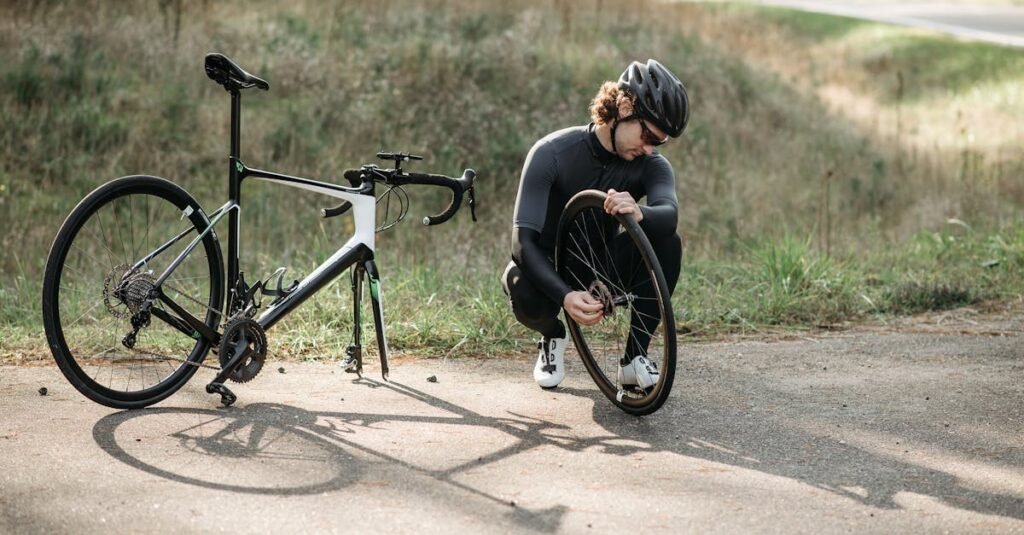
Installing the New Bicycle Chain
Learn Road, Race And Mountain Repairs

- Work through chapters organized by the bike’s mechanical systems for easy learning
- Get a 150-page illustrated manual to reference while you work in your home setup
- Use easy-to-follow demonstrations that make daunting tasks feel manageable
Begin by ensuring that the bicycle is securely positioned in a stand or flipped upside down. Remove the old chain by using a chain tool to break the links. Lay the new chain alongside the old one to ensure the proper length matches. If it requires shortening, use the chain tool to remove excess links. Route the new chain through the derailleur and around the sprockets, ensuring it follows the proper path around the gears.
Once the chain is correctly threaded, connect the two ends using the quick link or master link, if applicable. Check that the connection is secure and that the chain is seated properly on the sprockets. At this stage, it is crucial to verify that the chain moves smoothly without any kinks or resistance. Rotate the pedals a few times to ensure everything functions as intended. This initial check will help identify any issues before moving on to the next steps in the installation process.
Proper Techniques for Chain Installation
A clean and efficient installation process is key to ensuring the longevity and performance of a new bicycle chain. Begin by placing the chain around the largest front chainring and the largest rear cog before threading it through the derailleur. This initial configuration allows you to accurately measure the chain length. Make sure to connect the ends of the chain through the quick link or pin, depending on the chain type you have. It’s crucial to ensure that the chain moves smoothly through the derailleur and doesn’t have any twists or kinks that could lead to operational issues.
After routing the chain properly, double-check its alignment with the derailleur. The chain should run parallel to the rear sprockets. When replacing the chain, it’s a good idea to inspect the derailleur and the chainring for wear or damage. Adjust the derailleur settings as needed to ensure the new chain moves freely through each gear. Once everything is in place, manually execute shifts through all gears to confirm that the chain functions smoothly without skipping or binding.
Adjusting Chain Tension Correctly
After installing a new bicycle chain, it’s important to adjust the chain tension to ensure smooth operation. Proper tension prevents the chain from skipping gears and prolongs the life of both the chain and the drivetrain. To do this, shift the bike into the smallest gear on the rear cassette. This position allows for better visibility and handling while adjusting. Using the appropriate tools, loosen the axle nuts or quick-release lever and slide the wheel back or forward as needed to achieve the desired tension.
Optimal chain tension commonly falls within a specific range based on bicycle design. Check the manufacturer’s guidelines for the bike model regarding tension specifications. After adjusting, double-check that the chain has a slight amount of play; it should not be too tight or too loose. Once satisfied with the tension, securely tighten the axle nuts or lever, recheck alignment, and test the bike by spinning the pedals and shifting through gears to ensure everything operates smoothly.
Ensuring Optimal Tension for Performance
Proper chain tension is crucial for smooth operation and shifting performance. A chain that is too tight can lead to excessive wear on the drivetrain components, while one that is too loose may skip or derail during rides. It is important to check the manufacturer’s specifications for the recommended tension. Utilizing a chain checker tool can help you assess whether the chain has the correct amount of slack, ensuring a well-performing setup.
Adjusting the tension involves manipulating the rear derailleur and possibly the rear axle position. When the chain is snug but not overly tight, it promotes efficient power transfer and reduces the risk of damage to other components. Regular maintenance checks are essential so that tension remains optimal over time. Incorporating this practice into your routine helps maintain a bicycle that performs well, ultimately enhancing your riding experience.
The Ultimate At-Home Bike MasterClass
- Repair and maintain road, race, and mountain bikes with guidance tailored to each
- Keep your bike running smoothly with cleaning and lubrication best practices
- Get support through video chat or email when you need help on a tricky step
Lubricating the New Chain
After installing a new bicycle chain, the application of lubricant is essential to ensure optimal performance. Start by selecting a high-quality bicycle-specific lubricant to provide the best protection against dirt and moisture. Apply the lubricant evenly across each link, focusing on the rollers and side plates for effective coverage. A small drop per link is sufficient; over-lubrication can attract dirt and debris, leading to premature wear.
Allow the lubricant to penetrate for a few minutes before wiping off any excess with a clean cloth. This process removes any residue that could create buildup, ensuring your chain operates smoothly. Regular lubrication helps maintain efficiency while riding, reducing friction and noise. Reapply the lubricant periodically, especially after exposure to wet conditions or long rides, to keep your bike in peak condition.
Best Practices for Chain Lubrication
Regular lubrication is essential for maintaining the performance and longevity of your bicycle chain. Start by using a high-quality chain lubricant that is appropriate for your riding conditions. For dry conditions, opt for a lightweight, dry lubricant that repels dirt and dust. In contrast, wet conditions often require a heavier, wet lubricant designed to withstand moisture and prevent rust. Apply the lubricant to the chain while slowly pedaling the bike backward, ensuring even coverage across all links.
After applying the lubricant, it’s crucial to wipe off any excess with a clean cloth. Excess lubricant can attract dirt and grime, ultimately counteracting its benefits. Give the chain some time to absorb the lubricant before riding the bicycle again. This practice not only enhances shifting performance but also protects your drivetrain from unnecessary wear. Regularly checking and maintaining your bicycle chain lubrication can significantly improve your overall riding experience.
FAQS
How often should I replace my bicycle chain?
It’s generally recommended to replace your bicycle chain every 1,500 to 2,000 miles, but it can vary depending on your riding style and conditions. Keeping an eye on chain wear using a chain checker tool can help determine when it’s time for a replacement.
What tools do I need to replace a bicycle chain?
To replace a bicycle chain, you typically need a chain breaker tool, a new chain, and possibly a pair of pliers or a screwdriver for adjusting the derailleur if necessary.
How do I know if my bicycle chain is stretched?
You can check for chain stretch using a chain checker tool, which measures the elongation of the chain. A chain is considered stretched and should be replaced if it measures beyond a certain percentage of its original length, usually 0.5% to 0.75% for most bikes.
Can I replace a bicycle chain without special tools?
While it’s possible to replace a bicycle chain without specialized tools, it is highly recommended to use a chain breaker for a clean and secure connection. Attempting to replace the chain without the right tools may lead to improper installation.
Is it necessary to lubricate a new bicycle chain?
Yes, lubricating a new bicycle chain is essential to ensure smooth operation and to protect it from rust and wear. It’s best to apply a suitable lubricant before using the bike for the first time after installation.
Related Links
How to Identify When a Chain Needs Replacement
Roundup of Expert Tips for Successful Chain Replacement
Upgrade And Maintain Any Bicycle
- Keep your bike running smoothly with cleaning and lubrication best practices
- Benefit from three different instructors and teaching styles across three bike types
- Make bike maintenance feel practical, organized, and doable from home