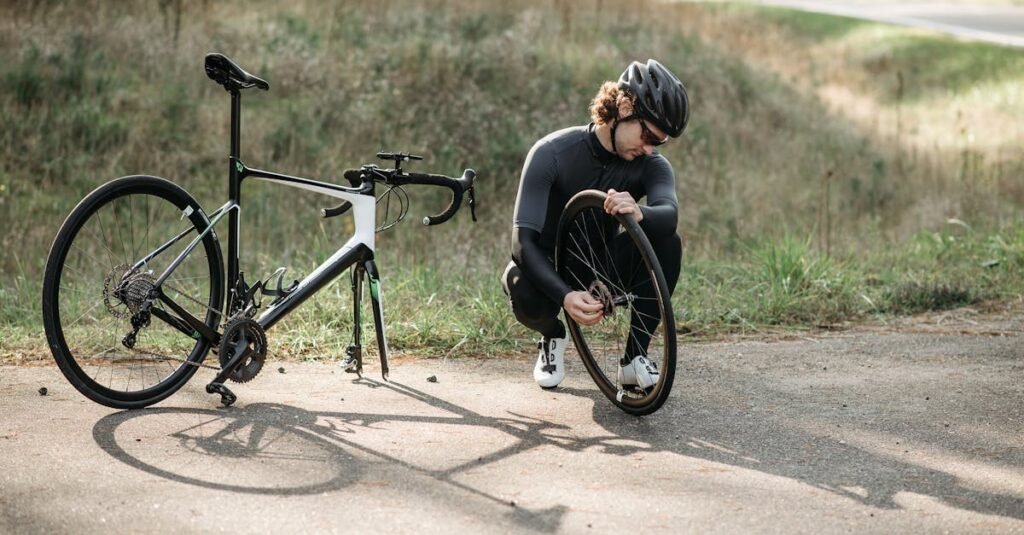
Common Mistakes to Avoid
Learn Road, Race And Mountain Repairs

- Work through chapters organized by the bike’s mechanical systems for easy learning
- Get a 150-page illustrated manual to reference while you work in your home setup
- Use easy-to-follow demonstrations that make daunting tasks feel manageable
One frequent error when replacing a chain is neglecting to check the compatibility of the new chain with the existing components. Each drivetrain has specific requirements that must be met to ensure optimal performance. Using an incompatible chain can lead to shifting problems, premature wear, or even damage to the transmission system. Always verify the specifications of both the chain and the bike before installation.
Another common mistake is failing to properly adjust the chain tension after installation. A chain that is too tight can cause excessive wear on both the chain and the gears. Conversely, if it is too loose, it may skip or derail during operation. It is essential to follow manufacturer guidelines to achieve the correct tension, ensuring a smooth and efficient cycling experience.
Pitfalls That Could Compromise Performance
Overlooking proper alignment during chain installation can lead to significant performance issues. Misalignment increases wear on both the chain and the sprockets, resulting in decreased efficiency and potential failure. Regularly checking alignment is essential to maintain smooth operation and prolong the lifespan of these components.
Failing to regularly inspect for signs of wear can compromise not just the chain itself but also the connected parts. Ignoring unusual noises or noticeable vibrations often indicates underlying problems that could escalate into more severe damage. Proactive monitoring can help identify issues before they require costly repairs or replacements, ensuring consistent performance over time.
Tips for Proper Chain Tension
Maintaining proper chain tension is essential for optimal performance and longevity. An overly tight chain can increase wear on both the chain and sprockets, leading to premature failure. Conversely, a chain that is too loose can skip gears, resulting in inefficient power transfer. It’s important to regularly check the tension and make adjustments according to the manufacturer’s specifications. Using a chain checker tool can help you gauge whether your chain needs attention.
When adjusting the tension, make sure the bike is on a level surface. Loosen the axle nuts slightly to allow for easy adjustments. Pull the rear wheel back to tighten the chain or push it forward to create slack. After you find the right tension, re-tighten the axle nuts securely. Periodic checks are important as chains can stretch over time. Keeping the chain at the correct tension not only enhances the riding experience but also prolongs the lifespan of key components.
Ensuring Optimal Performance and Longevity
Proper chain tensioning plays a pivotal role in enhancing the performance and lifespan of your bicycle. An overly tight chain can lead to premature wear on gears and derailleur components, while a loose chain may skip or fail during use. It is essential to follow manufacturer guidelines for the appropriate tension and adjust as necessary, considering both the type of bike and the conditions in which it will be ridden. Regular assessments will help maintain the ideal tension, ensuring smooth and efficient gear transitions.
In addition to correct tensioning, routine maintenance practices greatly contribute to longevity. Inspecting your chain for signs of damage or wear can help catch potential issues before they escalate. Incorporating a periodic cleaning and lubrication schedule will prevent dirt build-up, which can cause friction and accelerate wear. Using high-quality lubricant designed for chain use will not only enhance performance but also protect against rust and corrosion.
The Ultimate At-Home Bike MasterClass
- Repair and maintain road, race, and mountain bikes with guidance tailored to each
- Keep your bike running smoothly with cleaning and lubrication best practices
- Get support through video chat or email when you need help on a tricky step
Cleaning and Lubricating Your Chain
Maintaining a clean chain is crucial for optimal performance and extending its lifespan. Debris and grime can accumulate, leading to increased friction and wear. Regularly inspected chains should be wiped down with a clean cloth. For thorough cleaning, a chain cleaning tool or a degreaser can be utilized. Make sure to rinse off any residue and dry the chain completely before applying lubricant.
Proper lubrication plays a significant role in ensuring smooth operation. Use a lubricant designed specifically for bike chains to prevent attracting dirt. Apply a small amount directly to the chain while slowly rotating the pedals, allowing the lubricant to penetrate the links. After application, let the lubricant sit for a few minutes to soak in, then wipe off any excess. This practice keeps the chain running smoothly and reduces the likelihood of rust or corrosion.
Best Practices for Chain Care
Regular cleaning is essential for maintaining the longevity and efficiency of your chain. Dirt, grime, and old lubricant can accumulate over time and lead to faster wear and tear. Use a specialized chain cleaner or degreaser to help break down tough deposits. After cleaning, rinse the chain thoroughly with water to remove any residue from the cleaner. It is important to dry the chain properly to prevent rust, especially if you frequently ride in wet conditions.
Lubricating your chain appropriately can significantly improve its performance. A well-lubricated chain reduces friction and overall drivetrain noise. When applying lubricant, focus on the inner plates of the chain while avoiding excessive application. Wipe off any excess lubricant with a clean cloth to prevent dirt from adhering. Establishing a routine for cleaning and lubricating will help ensure your chain operates smoothly and lasts longer.
FAQS
What are some common mistakes to avoid when replacing a chain?
Common mistakes include not properly measuring the old chain, neglecting to check the sprockets for wear, and failing to ensure proper tension after installation.
How can improper chain tension affect performance?
Improper chain tension can lead to excessive wear, decreased efficiency, and potential chain slip, which can compromise the overall performance of your equipment.
What are the best practices for cleaning and lubricating a chain?
Best practices include using a degreaser to clean the chain thoroughly, drying it completely, and applying a suitable lubricant evenly while avoiding excess that can attract dirt.
How often should I check and adjust chain tension?
It’s recommended to check chain tension regularly, ideally every few rides or after extensive use, and to adjust it as needed to maintain optimal performance.
What signs indicate that my chain needs to be replaced?
Signs that your chain needs replacement include noticeable elongation, stiffness in the links, rust or corrosion, and poor shifting performance.
Related Links
Review of Top Bicycle Chains for Performance
How to Replace a Bicycle Chain Effectively
Upgrade And Maintain Any Bicycle
- Keep your bike running smoothly with cleaning and lubrication best practices
- Benefit from three different instructors and teaching styles across three bike types
- Make bike maintenance feel practical, organized, and doable from home