Bicycle Repair Rack—an essential tool for any serious cyclist or professional mechanic looking to elevate their bike maintenance game. Yet, navigating the overwhelming array of options available can leave even the most experienced bike enthusiasts feeling like they’re pedaling uphill. With various models boasting different features, durability levels, and price points, choosing the right repair rack can seem like an impossible task. How do you ensure your investment provides the stability and functionality you need without breaking the bank?
Learn Road, Race And Mountain Repairs

- Work through chapters organized by the bike’s mechanical systems for easy learning
- Get a 150-page illustrated manual to reference while you work in your home setup
- Use easy-to-follow demonstrations that make daunting tasks feel manageable
As more people turn to cycling for both leisure and transport, the demand for high-quality bicycle maintenance equipment continues to skyrocket. This surge makes it increasingly challenging to find a repair rack that fits seamlessly into your workshop and meets your specific needs. The right repair rack can not only streamline your repair process but also transform your workspace from cluttered chaos to an organized haven. So, whether you’re a DIY enthusiast or a pro looking to optimize your workshop, stay with us as we unveil five brilliant tips to help you make an informed and confident choice that will elevate your bike repair experience.

5 Brilliant Tips to Simplify Maintenance with a Bicycle Repair Rack
Setting up a bike workshop is an exciting venture, and investing in a high-quality bicycle repair rack is a crucial first step. But how do you choose the perfect one? Here are five brilliant tips that will ensure your bike maintenance process is as seamless and efficient as possible.
Tip #1: Understand Your Needs
Before you even begin browsing for a bicycle maintenance rack, take the time to assess your specific needs. Consider how often you’ll be repairing bicycles, the types of bikes you’ll work on, and the available space in your workshop. If you’re primarily repairing road bikes, a lightweight and portable rack might be ideal. However, if you’ll be handling heavier mountain bikes, a sturdy and robust repair stand is necessary.
Take stock of the kind of maintenance tasks you’ll be performing. For example, if you plan on doing a lot of drivetrain work and need to clean chains regularly, you might want a bike rack that allows you to position the bike at various angles comfortably. Look for repair stands that feature adjustable heights to accommodate different bike sizes and enhance your overall efficiency.
For a detailed exploration of various bicycle maintenance options, check out DIY Bike Repair Training, which covers all aspects of bike maintenance.
Tip #2: Stability Matters
Stability can make or break your bike repair experience. A wobbly or unstable bicycle repair rack can lead to frustration and even accidents, potentially damaging the bike or harming you in the process. Always opt for a repair stand with a wide footprint and sturdy construction. Make sure it can hold the bike securely, preventing any unwanted movement during repairs.
Many bike workshop enthusiasts recommend investing in a repair stand with a locking mechanism that keeps the clamp tight. Additionally, consider a stand with rubber feet to prevent slipping, especially on smooth surfaces. This feature ensures stability while working on complex repairs where both hands may be needed.
If you’re looking for an excellent reference for various types of bike racks that provide optimal stability, refer to DIY Bike Repair Training for insightful tips and recommendations.
Tip #3: Think Portability
Depending on your workshop setup, you may need your bicycle repair rack to be portable. If you plan to take your bike maintenance on the go, perhaps to group rides or events, a lightweight and portable option is your best bet.
Look for collapsible designs that can easily fit in the back of your car and are simple to set up. Some racks come with travel bags, making it easier to transport them while keeping components organized. Even if you’re stationary at home, having a lightweight option allows for easy repositioning in your workshop to maximize your working area.
Refer to DIY Bike Repair Training for recommendations that suit both stationary and mobile setups.
Tip #4: Consider Versatility
Your bicycle repair rack shouldn’t just be a one-trick pony. A versatile repair stand can adapt for various bike types, be it road bikes, mountain bikes, or even electric bikes. Look for racks that feature adjustable clamps, allowing you to cater to different tube sizes and shapes. Some advanced models even have a 360-degree rotation feature that lets you easily access all sides of the bike.
Additionally, some racks come equipped with tool trays and holders for your bike workshop equipment, making it easier to keep your tools organized and within reach while you work. This versatility increases efficiency and enhances your overall experience during repairs.
For further insights into versatile bike maintenance solutions, the DIY Bike Repair Training provides a treasure trove of information tailored for all types of cycling enthusiasts.
Tip #5: Budget Wisely without Compromising Quality
When it comes to selecting a bicycle repair rack, it’s essential to find the right balance between your budget and the quality. While it might be tempting to choose the cheapest option, investing in a more durable rack can save you money and hassle in the long run. A good rule of thumb is to aim for a mid-range model that meets most of your needs without going overboard.
Research available brands and read reviews. Sometimes, the more recognized brands offer deals on older models, which can provide excellent value. Pay attention to warranties, as many manufacturers offer robust support for their products, indicating confidence in their durability.
Utilize resources like DIY Bike Repair Training to ensure you’re making an informed decision when selecting your bike rack.
Choosing the Best Bicycle Maintenance Rack
The process of selecting the right bike maintenance rack will require attention to detail and understanding your specific bike maintenance needs. Here, we’ll break down what to look for when making this crucial choice.
Key Features to Look For
A high-quality bicycle repair rack will have several standout features that enhance your experience:
- Material Quality: Choose racks made from durable materials such as aluminum or steel to ensure longevity.
- Load Capacity: Check the maximum weight capacity, especially if you’re working with heavier bikes.
- Ease of Use: Look for models with quick-release clamps for easy setup and takedown.
- Adjustability: An adjustable height feature can accommodate users of different heights, ensuring ergonomic working conditions.
- Storage Options: Integrated tool trays or hooks can keep all your bike workshop equipment organized and accessible.
As you explore potential bicycle repair racks, consider the DIY Bike Repair Training for a comprehensive evaluation of different racks tailored to varying needs.
Top Features of Repair Stands
Understanding what makes repair stands fantastic will help you make the best choice for your bike workshop. Here are some premium features to consider:
Build Quality
Invest in a model with robust construction. This isn’t just about longevity; it’s pivotal for stability and safety. A well-built bicycle repair rack will withstand daily use without frequent replacements.
Clamp Adjustability
The clamp is the core feature of any repair stand. Look for a design that adjusts easily and grips various frame tubes without damaging the finish. Clamps that have rubberized grips prevent slippage and protect the bike’s paint.
The Ultimate At-Home Bike MasterClass
- Repair and maintain road, race, and mountain bikes with guidance tailored to each
- Keep your bike running smoothly with cleaning and lubrication best practices
- Get support through video chat or email when you need help on a tricky step
Foldability and Portability
If you plan to work in different locations or have limited storage, consider a foldable model. Portability is essential for a flexible working environment.
Accessory Compatibility
Your repair stand should be compatible with various accessories, such as tool trays or light modifications, to make your job easier. Think about what additional tools you will need alongside the repair stand.
Height Adjustability
Choose a stand that can accommodate different heights, allowing you to work comfortably on various bicycle types. Ensuring that the stand adapts to your height will reduce strain on your back and enhance your efficiency.
Maximize your understanding by examining highlights from sources like DIY Bike Repair Training to guide your choices.
Organizing Your Workshop
A well-organized workshop enhances efficiency and makes your bike repairs much smoother. Here are essential tips to ensure your space is perfectly set up:
Dedicated Areas
Establish dedicated areas for specific tasks. For example, designate spaces for cleaning, assembly, and repair work. This structure allows you to switch between tasks without wasting time searching for tools.
Storage Solutions
Incorporate storage solutions such as pegboards for hanging tools, labeled drawers for small parts, and shelves for larger equipment. When everything has its place, you’ll always be ready to tackle any bicycle repair challenge!
Labeling
Consider labeling tool drawers or containers to streamline your workflow. This simple step saves time and makes it easier to train others who may assist you.
Workstations
Create separate workstations for different tasks. For instance, if you’re working on multiple bikes, define space where you can easily move between repairs without cluttering your work area.
Enhance your productivity with tips and ideas shared in <
5 Brilliant Tips for Choosing the Best Bicycle Repair Rack for Your Workshop
What type of bicycle repair rack is best for a home workshop?
How much weight can a bicycle repair rack typically support?
Are portable bike repair racks worth the investment?
What features should I look for in a bicycle repair rack?
Is it necessary to have a repair rack for casual bike maintenance?
Conclusion
In selecting the right bicycle repair rack for your workshop, consider essential factors such as stability, ease of use, weight capacity, and adjustability. A stable design ensures safety while you work on your bike, while ease of use can significantly speed up the repair process. Additionally, a rack with a suitable weight capacity will accommodate a range of bicycles, making it versatile for repairs of different sizes and types. Adjustability features allow you to render your workstation comfortable, thereby enhancing your efficiency during repairs.
Furthermore, prioritize materials and portability to ensure longevity and ease of storage. A durable construction will withstand the demands of regular use, while a lightweight design can facilitate easy transport if needed. Look for additional features such as tool trays and integrated power supply options, which can make your repair experience more convenient and organized. By meticulously evaluating these aspects, you can select a bicycle repair rack that not only meets your workshop needs but also elevates your bike maintenance skills to new heights.
Recommendations
Review of DIY Bike Repair Training
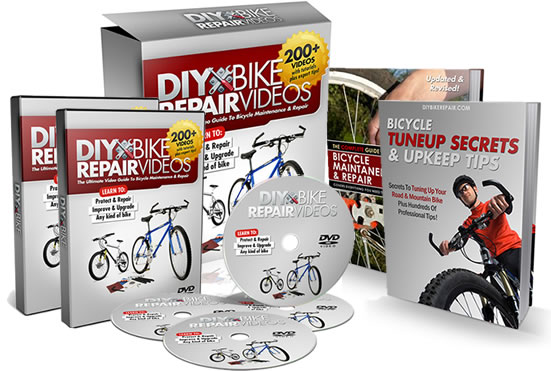
Are you tired of expensive bike repair bills or waiting weeks for repairs? Look no further than DIY Bike Repair Training, an invaluable resource for bike enthusiasts of all skill levels. This comprehensive program equips you with the knowledge and skills to handle all types of bike repairs right at home.
One of the significant benefits of this training is its user-friendly format. With step-by-step video tutorials and detailed guides, even beginners can confidently tackle various repairs, from fixing a flat tire to tuning gears and brakes. Plus, the program covers common issues and preventive maintenance, saving you time and money in the long run.
Another highlight is the community support that comes with your purchase. You’ll gain access to forums where you can ask questions, share experiences, and connect with fellow bike repair enthusiasts. This support network enhances your learning experience and helps you stay motivated.
Embrace the freedom that comes with mastering DIY bike repairs. Stop relying on shops and take control of your bike maintenance with ease and confidence.
Don’t miss out on this opportunity! Visit the official website now and begin your journey into the world of DIY bike repair today!
[page-generator-pro-related-links group_id=”161″]
Upgrade And Maintain Any Bicycle
- Keep your bike running smoothly with cleaning and lubrication best practices
- Benefit from three different instructors and teaching styles across three bike types
- Make bike maintenance feel practical, organized, and doable from home