Bicycles are not only a great means of transportation, exercise, and recreation, but they also come with their fair share of wear and tear. Whether you use your bike for commuting or for weekend rides, regular maintenance and occasional repairs are essential. However, the good news is that most common bicycle problems are easy to fix yourself—saving you time and money while also ensuring your bike stays in optimal condition. If you’re wondering how to repair a bicycle, you’re in the right place!
Learn Road, Race And Mountain Repairs
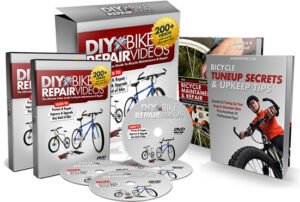
- Work through chapters organized by the bike’s mechanical systems for easy learning
- Get a 150-page illustrated manual to reference while you work in your home setup
- Use easy-to-follow demonstrations that make daunting tasks feel manageable
This guide will walk you through five simple steps that will teach you how to repair your bicycle at home. Whether you’re dealing with a flat tire, chain issues, or brake problems, these tips will help you get back on the road quickly. Plus, I’ll introduce an invaluable resource—the DIY Bike Repair Course—that will take your repair skills to the next level, allowing you to confidently tackle even the more advanced bicycle issues.
1. Fixing a Flat Tire
A flat tire is one of the most common bicycle problems, and if you’re riding regularly, you’re bound to experience it at some point. The good news is that fixing a flat tire is one of the easiest repairs you can do yourself.
What You’ll Need:
- Tire levers
- A patch kit or a new tube
- A bicycle pump
Steps to Repair a Flat Tire:
- Remove the Wheel: Use a wrench or quick-release lever to remove the wheel from your bike.
- Take Off the Tire: Using the tire levers, pry the tire off the rim. Start at one end and work your way around.
- Check for Punctures: Once the tire is off, inspect the inner tube for holes or damage. You can either patch it up using a patch kit or replace it entirely if it’s beyond repair.
- Reinstall the Tire: Once the tube is fixed or replaced, put the tire back on the rim. Make sure the tube sits evenly inside the tire and isn’t twisted.
- Inflate the Tire: Use your pump to inflate the tire to the recommended PSI (written on the side of the tire), and reattach the wheel to your bike.
This is a quick fix that ensures you’re back on the road within minutes. If you’re still unsure about the process, the DIY Bike Repair Course offers detailed video tutorials that walk you through every aspect of tire maintenance, from choosing the right patch kits to proper inflation techniques.
2. Adjusting Bicycle Brakes
Having functional brakes is not only important for performance but also crucial for your safety. Over time, brakes may become less effective, requiring adjustments or even parts replacement.
Tools You’ll Need:
- An Allen wrench
- A screwdriver
- Brake pads (if needed)
Steps to Adjust Your Brakes:
- Inspect the Brake Pads: Check the brake pads to see if they’re worn out. If they’re too thin or cracked, it’s time to replace them.
- Check Brake Cables: If your brake lever feels too loose or too tight, you may need to adjust the tension in the brake cables. Use an Allen wrench to loosen the cable pinch bolt, then pull the cable tighter or looser as needed.
- Align the Brake Pads: Ensure that the brake pads are perfectly aligned with the wheel rim. They should make full contact with the rim when the brake lever is pressed but should not touch the tire.
- Test the Brakes: After adjusting, take your bike for a test ride and see how the brakes respond. Fine-tune as necessary until you achieve optimal braking performance.
Brakes are tricky to get just right, especially if you’re new to bike repairs. That’s where the DIY Bike Repair Course comes in. It includes step-by-step guides on how to adjust all types of bike brakes, whether you’re dealing with disc brakes, V-brakes, or caliper brakes.
3. Repairing or Replacing a Bike Chain
A bicycle chain is another component that wears out over time, especially if you ride frequently in harsh conditions like rain or mud. A broken or stretched chain can affect your ability to shift gears and make pedaling more difficult.
Tools You’ll Need:
- A chain tool or chain breaker
- A new chain (if replacement is necessary)
- A lubricant
Steps to Repair or Replace a Chain:
- Remove the Chain: Use a chain tool to push out one of the chain pins and remove the old chain from the bike.
- Inspect the Chain: If the chain is just slightly dirty or gummed up, a good cleaning with degreaser might do the trick. However, if it’s rusty or too stretched out, it’s better to replace it.
- Install the New Chain: If you’re replacing the chain, thread the new chain through the derailleurs and connect the links using your chain tool.
- Lubricate the Chain: Once the chain is on, apply lubricant to keep it moving smoothly and prevent wear.
Maintaining your chain not only keeps your bike running smoothly but also extends the life of other components like the cassette and chainrings. The DIY Bike Repair Course features an in-depth guide on chain care, ensuring that you know exactly when and how to repair or replace your chain.
The Ultimate At-Home Bike MasterClass
- Repair and maintain road, race, and mountain bikes with guidance tailored to each
- Keep your bike running smoothly with cleaning and lubrication best practices
- Get support through video chat or email when you need help on a tricky step
4. Tuning Up the Gears
Shifting problems are another common bicycle issue, often caused by misaligned derailleurs or worn-out gear cables. If your gears are skipping or the bike won’t shift smoothly, it’s time for a tune-up.
What You’ll Need:
- An Allen wrench set
- A Phillips screwdriver
- Lubricant
Steps to Tune Your Gears:
- Check the Gear Cables: Ensure that your cables are not frayed or overly stretched. If they are, replace them.
- Adjust the Rear Derailleur: Use the limit screws on your rear derailleur to ensure it moves within the correct range. Tighten or loosen the tension on the derailleur as needed using the barrel adjuster.
- Fine-Tune the Front Derailleur: The front derailleur needs to be perfectly aligned with the chainrings. Adjust the positioning by loosening the clamp with your Allen wrench and moving the derailleur into the right position.
- Lubricate Moving Parts: Once you’re done adjusting, lubricate all the moving parts to ensure smooth shifting.
If you’re struggling with gear issues, the DIY Bike Repair Course has comprehensive tutorials to help you master gear tuning like a pro. It covers everything from basic derailleur adjustments to advanced cable tensioning techniques.
5. Checking and Replacing Bike Bearings
Bearings are critical for smooth wheel and pedal movement, and over time, they may wear out or become gritty. While this is a more advanced repair, it’s something you can learn with the right guidance.
Tools You’ll Need:
- A bearing puller
- Grease
- New bearings (if needed)
Steps to Check and Replace Bearings:
- Inspect the Bearings: If your bike wheels or pedals feel rough or don’t spin smoothly, the bearings may need to be replaced.
- Remove the Bearings: Use a bearing puller to remove the old bearings from your wheel hubs or pedal axle.
- Install New Bearings: Grease the new bearings before pressing them into place.
- Reassemble the Components: After the new bearings are installed, put everything back together and make sure it spins freely.
For more detailed instructions, the DIY Bike Repair Course provides extensive guides on how to service and replace bearings in all parts of your bike.
Conclusion: Take Control of Your Bike Maintenance
Learning how to repair a bicycle empowers you to keep your bike in top condition without always relying on professional mechanics. By mastering these basic repair skills, you’ll save money, avoid downtime, and enjoy safer, smoother rides. If you’re serious about maintaining your bike and want to take your skills to the next level, I highly recommend checking out the DIY Bike Repair Course.
This comprehensive course offers detailed tutorials on everything from basic repairs to advanced maintenance, making it perfect for beginners and seasoned riders alike. Don’t wait until your bike needs costly repairs—start learning now and take control of your bike’s maintenance!
Ready to get started? Click here to enroll in the DIY Bike Repair Course today!
Upgrade And Maintain Any Bicycle
- Keep your bike running smoothly with cleaning and lubrication best practices
- Benefit from three different instructors and teaching styles across three bike types
- Make bike maintenance feel practical, organized, and doable from home