Bicycle Repair FAQs: Your Go-To Guide for Common Bike Repair Questions
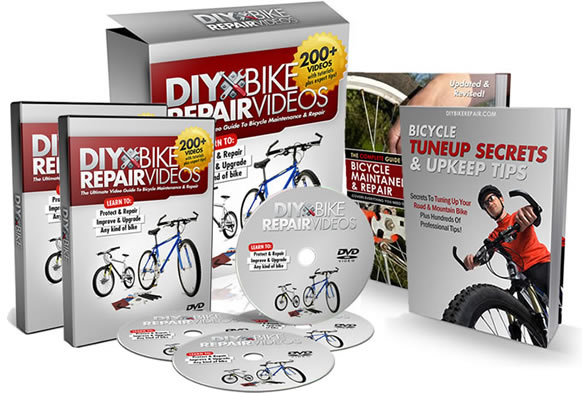
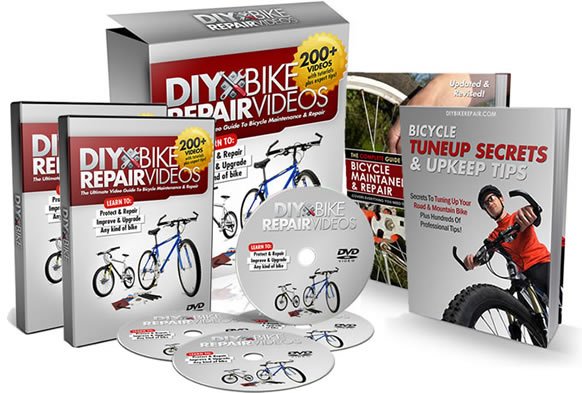
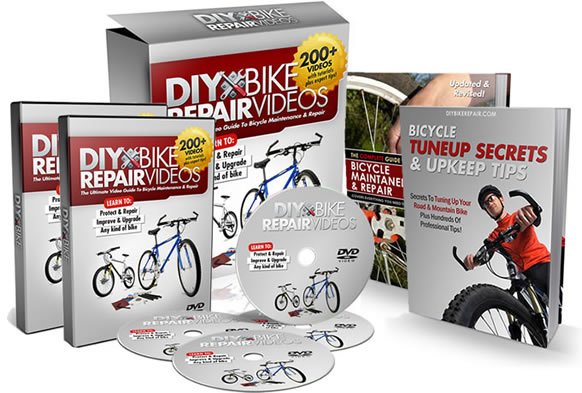
DIY Bike Repair
Looking for an honest, in-depth look at DIY Bike Repair? Below you’ll find a full review, but you can also check out the official page here:
If you’re new to cycling or even a seasoned rider, knowing how to troubleshoot bike problems and perform basic maintenance can save you time and money. This FAQ guide covers some of the most common bike repair questions and offers practical repair advice to help you keep your bicycle in top shape. Whether you want to fix a flat tire, adjust your brakes, or maintain your gear system, these answers will get you started on DIY bike repair confidently.
Disclosure: As an affiliate, I may receive a commission if you purchase through links on this page at no cost for you.
1. How Do I Fix a Flat Tire?
Fixing a flat tire is one of the most common bike repairs you’ll encounter. First, remove the wheel from the bike frame. Then, take off the tire and inner tube. Inspect the tube for punctures and patch any holes using a bike tire repair kit or replace the tube if damaged beyond repair. Before reinstalling, check the tire for embedded debris like glass or thorns to prevent another flat. Finally, inflate the tube to the recommended pressure and remount the tire on the wheel.
2. What Causes Poor Gear Shifting and How Can I Fix It?
Poor shifting can result from several issues including misaligned derailleur, stretched cables, or dirty components. Begin by cleaning the drivetrain and lubricating the chain. Next, check cable tension and adjust the derailleur’s limit screws to ensure smooth shifting across all gears. If cables are frayed or corroded, replace them. Regular maintenance of your gear system helps prevent shifting problems.
3. How Often Should I Lubricate My Bike Chain?
Lubricating your bike chain is essential to reduce wear and prevent rust. Ideally, apply lubricant after every 100-200 miles or after riding in wet or muddy conditions. Clean the chain thoroughly before applying new lubricant to avoid trapping dirt. Use a bike-specific lubricant and wipe off excess to keep your drivetrain running smoothly.
4. How Do I Adjust My Bicycle Brakes?
Brake adjustment depends on the type of brakes your bike has, but generally involves aligning the brake pads so they contact the rim evenly and firmly without rubbing when released. Check for cable tension by squeezing the brake lever; it should feel firm but not too tight. Adjust the cable tension using barrel adjusters or by repositioning the cable at the brake arm. Replace worn brake pads promptly for effective stopping power.
5. What Are the Signs That My Bike Needs a Tune-Up?
Common signs include difficulty in shifting gears, squeaky brakes, loose handlebars, unusual noises, or a generally rough ride. If your bike feels less responsive or components seem worn, it’s time for a tune-up. Regular tune-ups can prevent bigger repair issues and extend the life of your bicycle.
6. How Can I Prevent Rust on My Bicycle?
Rust prevention starts with keeping your bike clean and dry. After riding in wet conditions, wipe down your bike and apply a protective lubricant to the chain and metal parts. Store your bike indoors or under a cover to shield it from moisture. Regularly inspect your frame and components for any signs of corrosion and address them promptly.
7. What Tools Do I Need for Basic DIY Bike Repair?
For general maintenance and common repairs, a basic toolkit should include:
- Bike tire levers
- Patch kit or spare inner tubes
- Multi-tool with Allen wrenches
- Chain lubricant
- Bike pump with pressure gauge
- Adjustable wrench
- Cleaning brushes and rags
Having these tools on hand makes troubleshooting bike problems easier and allows you to perform many repairs at home.
8. How Do I Adjust the Saddle Height Correctly?
Proper saddle height improves comfort and pedaling efficiency. Sit on your bike with one heel on the pedal at its lowest point. Your leg should be fully extended without locking the knee. This position ensures that when you pedal normally with the ball of your foot, there will be a slight bend in your knee. Adjust the seat post accordingly and tighten the clamp securely.
9. Can I Convert My Bike to a Fixed Gear?
Yes, converting a bike to fixed gear is possible but requires specific parts and adjustments. You’ll need to replace the rear wheel hub with a fixed gear hub or flip the wheel if you have a flip-flop hub. Remove the freewheel mechanism and ensure the chain tension is correct. This conversion is best done by those with some mechanical experience or after consulting detailed repair guides.
10. How Do I Know When to Replace My Bike Chain?
Chains wear out over time and can cause poor shifting or damage to other drivetrain parts. Measure chain wear with a chain checker tool or by comparing chain length against manufacturer specifications. If the chain has stretched beyond recommended limits, it’s time to replace it. Regularly cleaning and lubricating your chain can prolong its lifespan.
Quick Reference Table: Common Repairs and Estimated Time
| Repair | Estimated Time | Difficulty Level |
|---|---|---|
| Fix a Flat Tire | 15-30 minutes | Easy |
| Adjust Brakes | 10-20 minutes | Easy to Moderate |
| Lubricate Chain | 5-10 minutes | Easy |
| Adjust Gear Shifting | 20-40 minutes | Moderate |
| Replace Chain | 30-45 minutes | Moderate |
Mastering these common repairs and maintenance tasks will keep your bike running smoothly and enhance your riding experience. For a deeper dive into bike repair and maintenance techniques, consider exploring comprehensive resources that guide you step-by-step.
Ready to become your own bike mechanic?
With the right knowledge and skills, you can troubleshoot bike problems quickly and confidently. Don’t let minor issues keep you off the road—take control of your bike maintenance and repairs now.
Ready to Take the Next Step?
If DIY Bike Repair sounds like the right fit after reading this review, you can visit the official page and see all the details straight from the vendor.