How to Replace Bike Brake Pads: A Step-by-Step Guide
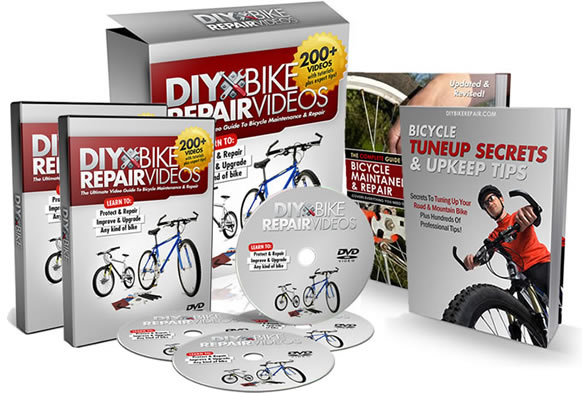
DIY Bike Repair
Looking for an honest, in-depth look at DIY Bike Repair? Below you’ll find a full review, but you can also check out the official page here:
Knowing how to replace bike brake pads is an essential skill for any cyclist who wants to keep their bike safe and performing well. Brake pads wear out over time, reducing stopping power and potentially compromising your safety. This guide will walk you through the process of brake pad installation, offer tips on bike brake maintenance, and cover common mistakes and troubleshooting tips to ensure your brake system repair is successful.
Disclosure: As an affiliate, I may receive a commission if you purchase through links on this page at no cost for you.
Why Replace Bike Brake Pads?
Brake pads are a critical component of your bike’s braking system. Over time, they wear down due to friction and exposure to the elements. Replacing worn brake pads not only restores braking efficiency but also prevents damage to the brake rims or discs. Regular bike brake maintenance helps extend the lifespan of your bike and keeps you safe on the road or trail.
Tools and Materials Needed
- New brake pads (compatible with your bike’s brake type)
- Allen wrench or hex keys
- Screwdriver (if applicable)
- Bike stand or a way to elevate your bike
- Cleaning cloth
- Isopropyl alcohol or bike-specific cleaner
- Optional: Gloves for hand protection
Step-by-Step Guide to Brake Pad Installation
1. Prepare Your Bike
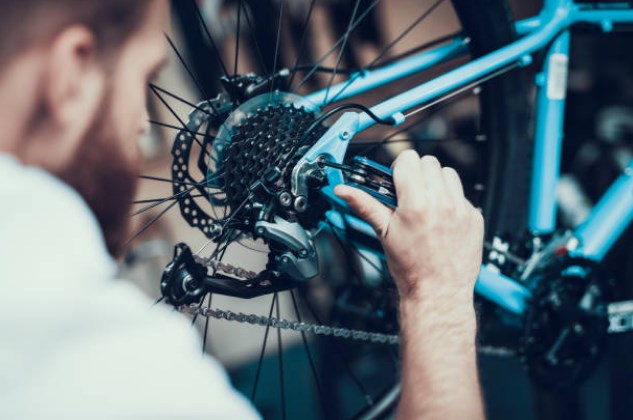
Place your bike on a stable bike stand or flip it upside down to access the brake system easily. Make sure the bike is secure to avoid accidents during the repair.
2. Identify Your Brake Type
There are mainly two types of brake systems: rim brakes (caliper or V-brakes) and disc brakes. This guide focuses on rim brakes, but the general principles apply to disc brakes with some variations.
3. Remove the Old Brake Pads
- Locate the bolt or pin securing the brake pads to the brake arms.
- Use the appropriate tool (usually an Allen wrench) to loosen and remove the pads.
- Take note of the pad orientation for correct installation of the new ones.
4. Clean the Brake Components
Use a cloth with isopropyl alcohol to clean the brake arms and rims where the pads contact. This removes dirt and grease, ensuring optimal pad performance.
5. Install the New Brake Pads
- Position the new pads in the same orientation as the old ones.
- Align the pads so they sit flat against the rim, ensuring full contact without touching the tire.
- Tighten the securing bolts firmly but avoid over-tightening to prevent damage.
6. Adjust the Brake Pads
Check the alignment by squeezing the brake lever and observing the pad contact. Pads should hit the rim squarely and simultaneously. Adjust the pad position by loosening the bolt slightly and repositioning as needed.
7. Test the Brakes
Spin the wheel and apply the brake to ensure smooth, consistent stopping power without rubbing when released. Make any fine adjustments to pad position or brake cable tension if necessary.
Common Mistakes to Avoid
- Incorrect pad alignment: Pads touching the tire or missing the rim can cause poor braking and damage.
- Not cleaning the rim: Dirt and grease reduce brake effectiveness and wear out pads faster.
- Over-tightening bolts: This can strip threads or damage brake components.
- Ignoring brake cable adjustment: After pad replacement, cables often need tuning for optimal performance.
Troubleshooting Brake Pad Replacement
| Issue | Possible Cause | Solution |
|---|---|---|
| Brakes feel spongy or weak | Brake cable too loose or worn pads | Tighten cable tension; replace pads if worn |
| Brake pads rub the tire | Incorrect pad alignment | Reposition pads to contact rim only |
| Brake squeals or noise | Dirty rim or glazed pads | Clean rim and replace pads if glazed |
| Brake lever pulls too close to handlebar | Brake cable stretch or pad wear | Adjust cable tension or replace pads |
Enhance Your Skills with DIY Bike Repair
Replacing brake pads is just one part of comprehensive brake system repair and bike upkeep. If you want to become more confident with bike repairs and maintenance, consider a structured learning approach. The DIY Bike Repair course offers over 200 detailed videos and manuals that cover everything from basic repairs to advanced bike maintenance.
Start mastering your bike repair skills today!
Summary
Regularly checking and replacing your bike’s brake pads is crucial for safe riding. Following the steps for proper brake pad installation will ensure your brakes work efficiently and reliably. Avoid common mistakes by paying attention to alignment and cleanliness, and troubleshoot issues promptly. With practice, bike brake maintenance becomes straightforward, empowering you to keep your bike in top condition.
Ready to Take the Next Step?
If DIY Bike Repair sounds like the right fit after reading this review, you can visit the official page and see all the details straight from the vendor.