Master Tire Inflation & Repair
Keep your bike rolling smoothly with ease.
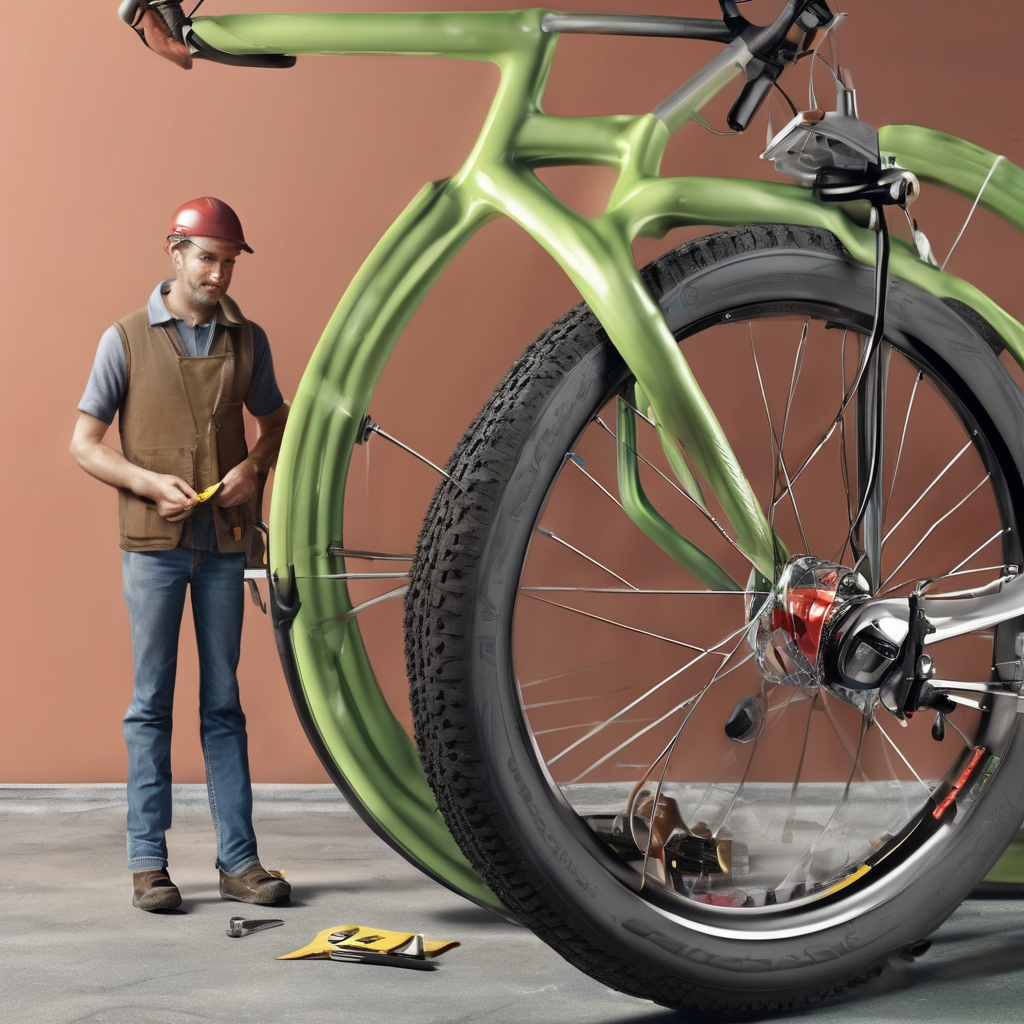
Welcome to your go-to guide for tire inflation and repair! Proper tire maintenance is crucial for a safe and enjoyable ride. Whether you're dealing with a flat tire or simply need to pump up your tires, this sub-hub will provide you with the essential tips and tools to get the job done right. Let's keep those wheels turning!
Key highlights
- Learn to inflate tires correctly
- Identify and fix punctures
- Essential tools for repairs
- Tips for tire longevity
How to choose (and common mistakes)
Choosing the right tools and techniques for tire inflation and repair is vital for every cyclist. Start by selecting a reliable pump that matches your valve type—either Presta or Schrader. Avoid common mistakes like over-inflating, which can lead to blowouts, or under-inflating, which increases wear. When repairing, always inspect the tire for damage beyond the puncture, such as sidewall issues. Additionally, ensure you have a patch kit or spare tube handy for quick fixes. Remember to check your tire pressure regularly to maintain optimal performance and safety.
⚡ Quick Picks
Three strong options to start with. Pick one that matches your goal, then jump to the guides below.
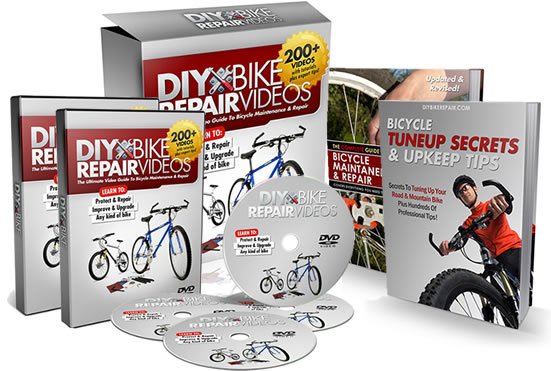
The Ultimate Bicycle Repair MasterClass
Over 200+ Videos (10 Hours) – step-by-step instructions
How To Fix, Repair & Maintain Your Own Bicycle In 2 Hours Or Less… With The Ultimate Bike Repair Course

Bicycle Repair Kit
16 in 1 Bike Multitool
Bicycle Repair Bag With Tire Pump, Portable Tool Kit for Camping Travel – Bike Glueless Patches, Maintenance Essentials All in One Safety Kit

Adjustable Bike Workstand
360 Degree Rotable Clamp
CXWXC Bike Workstand with Adjustable, Bicycle Repair Stand for Maintenance Folding and Lightweight
We hand-pick these based on real testing and reviews.
Related Topics
Brake Adjustment
Frame Cleaning and Protection
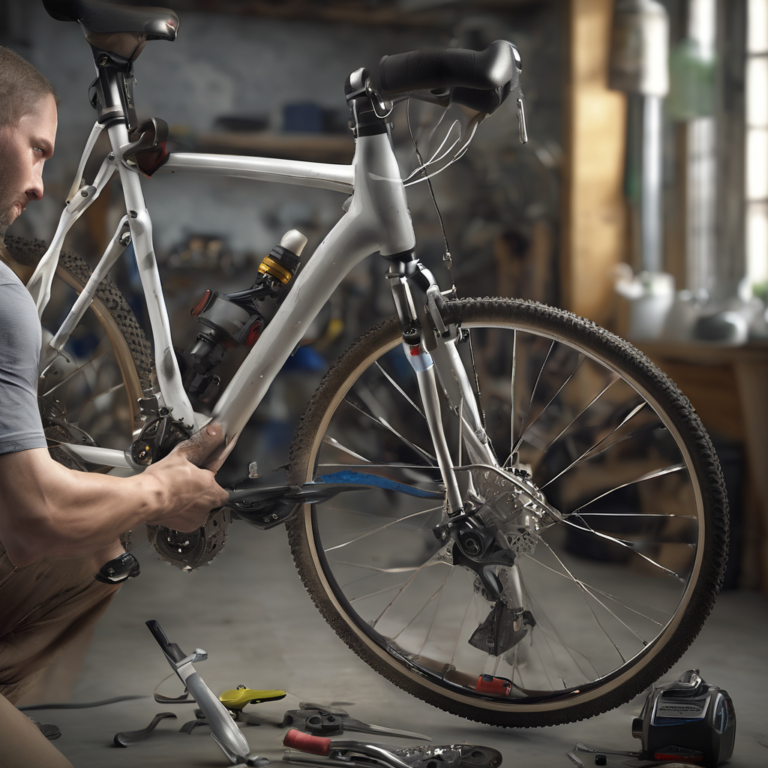
Gear Adjustment
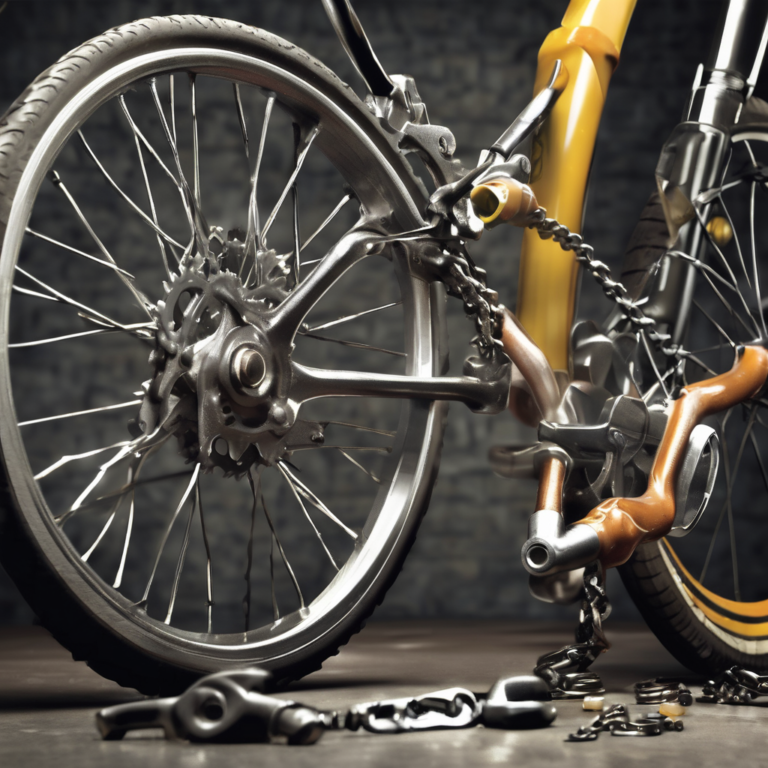
Chain Cleaning and Lubrication
Latest Guides
How to Identify Common Brake Issues and Fix Them
Troubleshooting Brake Warning LightsBrake warning lights can signal various issues within a vehicle’s braking system. Immediate attention is crucial when […]
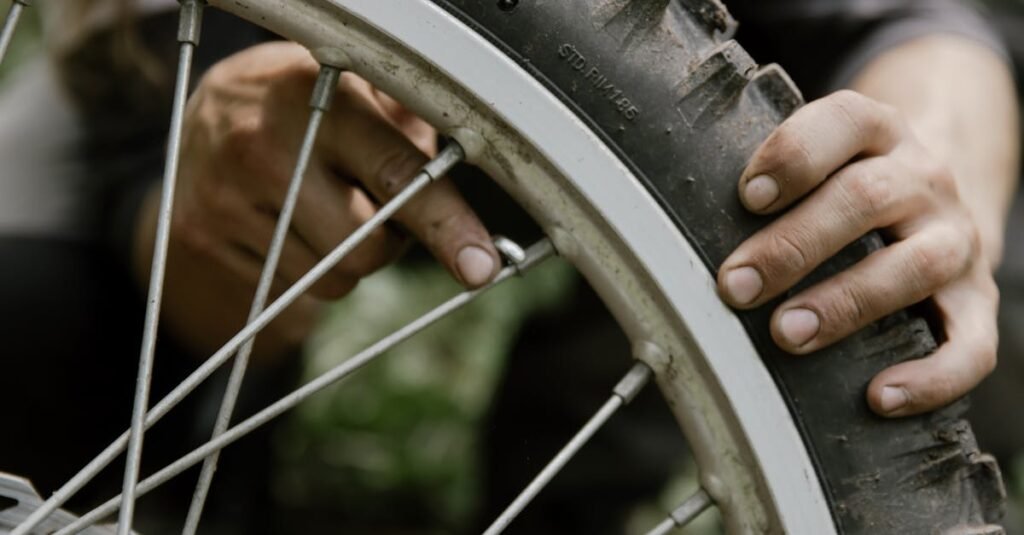
How to Properly Adjust Bicycle Brakes for Optimal Performance
Adjusting Disc Brakes Properly adjusting disc brakes involves a few fundamental steps that ensure optimal performance and safety. First, check […]
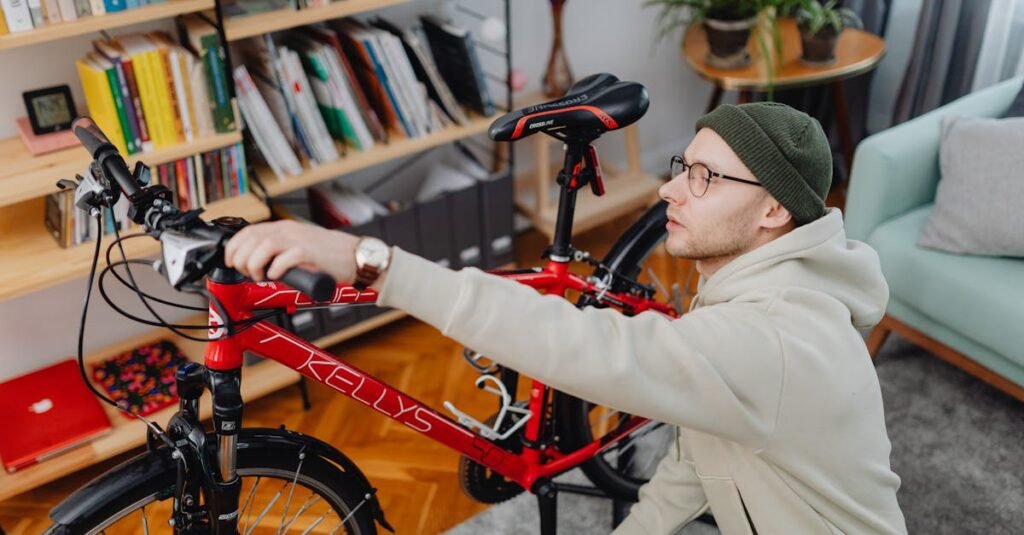
What to Consider When Upgrading Your Bicycle Brake System
Performance Characteristics When selecting a brake system for your bicycle, understanding stopping power and modulation is essential. Stopping power refers […]
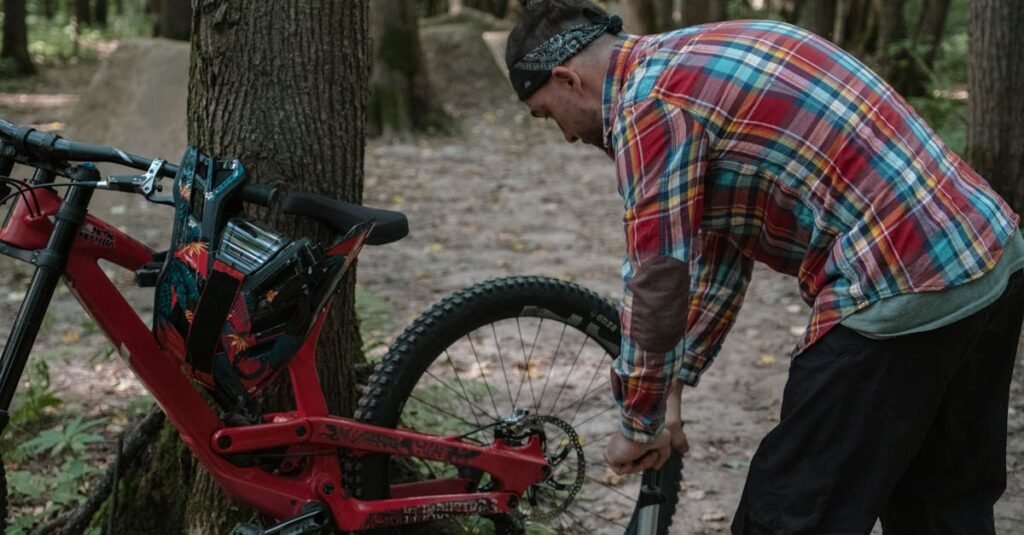
What to Do If Your Bicycle Brakes Feel Spongy
Adjusting Cable Tension A bicycle’s brake performance often relies heavily on the correct cable tension. If the tension is too […]

Why You Should Invest in Quality Brake Components
Choosing the Right Brand Selecting a reputable brand is crucial when it comes to brake components. The market is filled […]
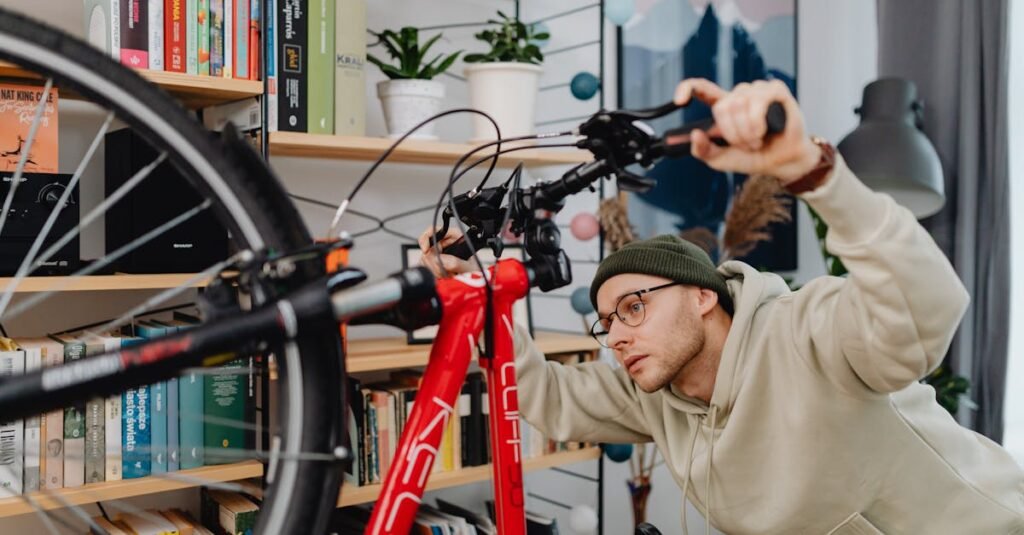
A Historical Overview of Bicycle Brake Development
Innovations in Hydraulic Braking Systems In the quest for enhanced braking performance, engineers have turned to hydraulic systems to provide […]
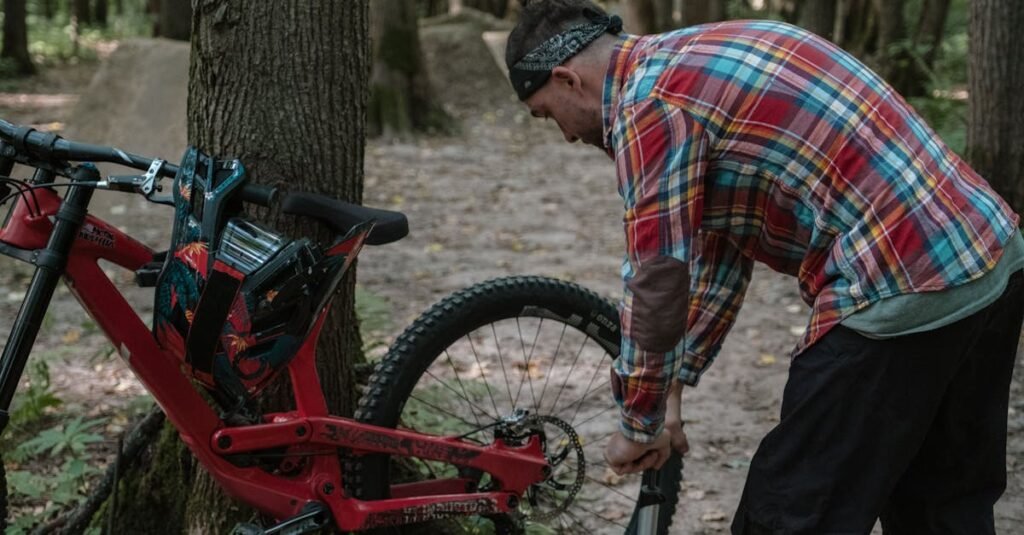
Why Regular Brake Adjustment is Crucial for Safe Riding
Regular Maintenance Practices Maintaining your brakes involves more than just checking them when issues arise. A proactive approach incorporates routine […]
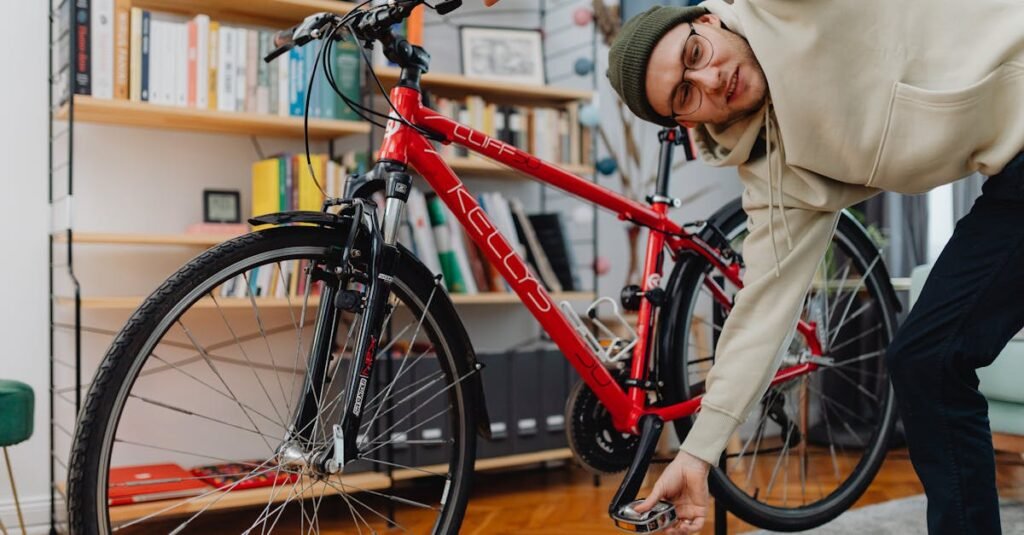
7 Essential Tips for Perfecting Brake Adjustment Techniques
Routine Maintenance for Brake Systems Maintaining the brake system is essential for vehicle safety and longevity. Regular inspections are necessary […]
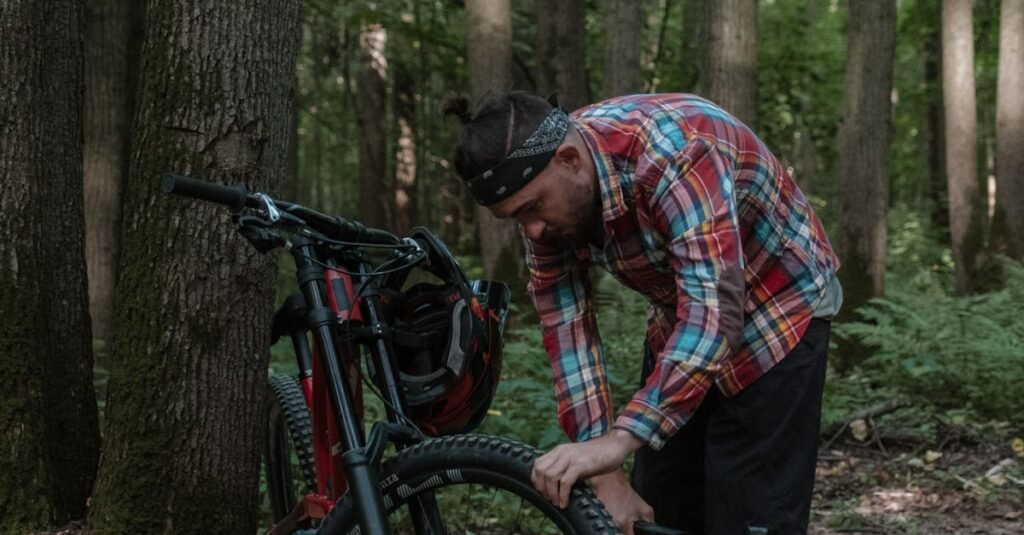
Roundup of Common Brake Adjustment Mistakes to Avoid
Neglecting Brake Fluid Levels Maintaining proper brake fluid levels is crucial for vehicle safety and performance. Low fluid can lead […]
How We Choose & Recommend
Short, practical guidance first—then product picks when you are ready.
- We compare features and real-world use cases for Tire Inflation and Repair.
- We scan user feedback for patterns (not one-off opinions).
- We call out trade-offs so you can pick confidently.
FAQ
How often should I check my tire pressure?
It's best to check your tire pressure before each ride. Tires can naturally lose air over time, which can affect performance and safety. Use a pressure gauge to ensure your tires are inflated to the recommended PSI, usually found on the tire sidewall. Remember, temperature changes can also affect pressure, so check more frequently in extreme weather.
What tools do I need for tire repair?
For tire repair, essential tools include a patch kit, tire levers, and a pump. The patch kit will help you seal punctures, while tire levers make removing the tire easier. A good quality pump is crucial for inflating the tire back to proper pressure. Ensure you have these tools on hand before hitting the road.
How can I tell if my tire is flat?
A flat tire often feels soft when you press on it, and you may notice the bike handling differently. Check for visible signs like bulges or cracks. If you hear air escaping, you likely have a puncture. Always inspect your tires before and after rides to catch potential issues early.
What should I do if I get a flat tire?
First, find a safe spot to stop. Use tire levers to remove the tire, then inspect the inner tube for punctures. If you find one, clean the area and apply a patch according to the kit instructions. If the damage is severe, replace the inner tube entirely. Don’t forget to check the tire itself for sharp objects.
Can I repair a sidewall puncture?
Sidewall punctures are tricky and often not repairable. If the damage is small, you might be able to use a specialized sidewall patch. However, for larger tears or if the tire is compromised, it’s safer to replace the tire. Always prioritize safety to avoid accidents during rides.
Why does my tire keep going flat?
Repeated flats can result from various issues, such as a damaged inner tube, sharp objects lodged in the tire, or improper installation. Check for any debris inside the tire and ensure the inner tube is seated correctly. Consider replacing the tire if it's worn or damaged. Regular maintenance can help prevent future flats.
⭐ Our Top 3 Best Bicycle Repair Guides & Tools for 2026
The Ultimate Bicycle Repair MasterClass
Over 200+ Videos (10 Hours) – step-by-step instructions
How To Fix, Repair & Maintain Your Own Bicycle In 2 Hours Or Less… With The Ultimate Bike Repair Course
Bicycle Repair Kit
16 in 1 Bike Multitool
Bicycle Repair Bag With Tire Pump, Portable Tool Kit for Camping Travel – Bike Glueless Patches, Maintenance Essentials All in One Safety Kit
Adjustable Bike Workstand
360 Degree Rotable Clamp
CXWXC Bike Workstand with Adjustable, Bicycle Repair Stand for Maintenance Folding and Lightweight
We hand-pick these based on real testing and reviews.