Common Mistakes to Avoid
Learn Road, Race And Mountain Repairs

- Work through chapters organized by the bike’s mechanical systems for easy learning
- Get a 150-page illustrated manual to reference while you work in your home setup
- Use easy-to-follow demonstrations that make daunting tasks feel manageable
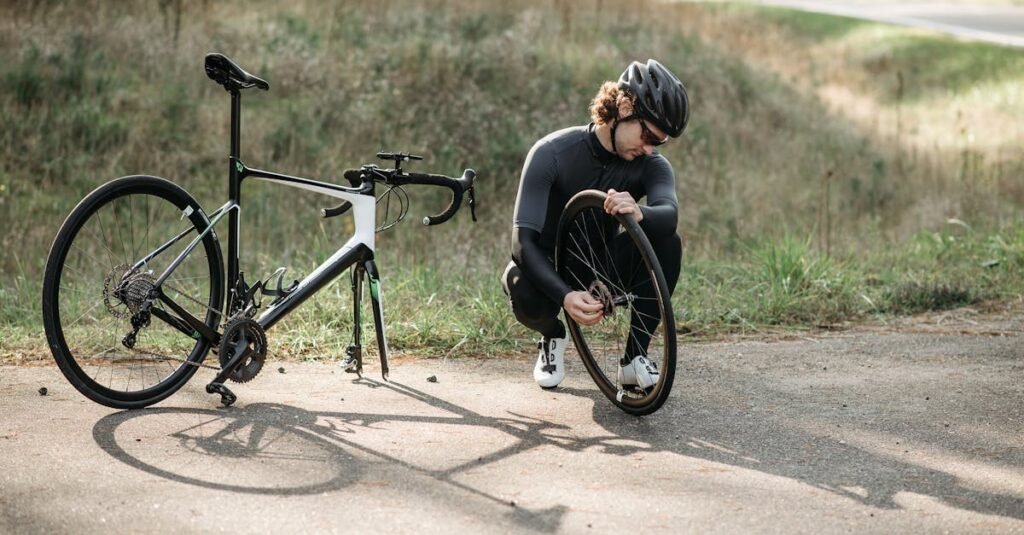
One common mistake is neglecting to check both lateral and vertical trueness when tuning wheels. Many individuals focus solely on getting the lateral alignment right, but vertical hops can lead to significant handling problems and affect the overall ride quality. A thorough inspection should include both factors to ensure balanced performance.
Another frequent error is not using the proper tools during the truing process. While it might seem tempting to improvise with makeshift instruments, the wrong tools can lead to inaccurate adjustments. Specific truing stands and calibrated gauges are designed to provide precise measurements, which is crucial for achieving the best results in wheel maintenance.
Pitfalls in Wheel Truing You Should Know
Many beginners underestimate the importance of a consistent technique when truing wheels. Inconsistency can lead to uneven tension across the spokes, which not only affects wheel performance but can also result in structural integrity issues over time. It’s also common to neglect the importance of ensuring the rim is clean and free of debris before starting the truing process. Dirt or grime can cause misalignments and prevent accurate adjustments, leading to unnecessary frustration.
Another common mistake involves applying too much tension to the spokes. Excessive tightening can warp the rim, creating more issues than it solves. Riders may also forget to check their work from different angles. Focusing solely on one view can hide minor irregularities that might become significant over time. Properly truing a wheel requires patience and attention to detail to ensure that all aspects are considered and executed correctly.
Professional vs. DIY Truing
When it comes to deciding between professional and DIY wheel truing, the level of experience plays a crucial role. A seasoned cyclist may feel comfortable tackling basic adjustments on their own, especially if they have a reliable truing stand and know the essential techniques. On the other hand, less experienced individuals might struggle with the nuances of tension balance, risking further issues if they attempt repairs without proper knowledge.
Professional services offer expertise and precision that can be hard to replicate at home. Bicycle mechanics have access to specialized tools and a depth of experience that allows them to identify and remedy not just obvious wobbles but also subtle variations that could affect riding performance. While DIY efforts can save money and provide a sense of accomplishment, knowing when to seek expert help can lead to a smoother ride and potentially extend the life of the wheels.
Weighing Your Options for Wheel Care
When deciding between professional assistance and DIY methods for wheel truing, consider your own level of skill and the tools at your disposal. Many cyclists find DIY wheel truing manageable with the right equipment, such as a truing stand and a few essential tools. Learning to true wheels can save time and money while providing a sense of achievement. However, improper techniques can lead to larger issues down the road, making it crucial to feel confident in your abilities.
Using professional services offers the advantage of expertise and experience, ensuring that the job is done correctly. Skilled technicians can identify underlying issues that may not be obvious to inexperienced cyclists. Although this option often comes with a higher cost, it provides peace of mind that your wheels are in capable hands. Ultimately, weighing personal comfort with maintenance against the benefits of professional care will guide the best choice for keeping your wheels in optimal condition.
The Ultimate At-Home Bike MasterClass
- Repair and maintain road, race, and mountain bikes with guidance tailored to each
- Keep your bike running smoothly with cleaning and lubrication best practices
- Get support through video chat or email when you need help on a tricky step
Environmental Factors Affecting Wheels
Weather conditions and terrain can significantly influence the performance and longevity of bicycle wheels. In areas with frequent rain or snow, moisture can seep into the wheel components, leading to rust and decreased functionality over time. Gravel roads or rough terrains create additional stress on the wheels, potentially causing alignment issues or structural damage. Regularly checking the wheels under such environmental stressors will help mitigate long-term damage and ensure smoother rides.
Temperature fluctuations also play a vital role in wheel maintenance. Extreme heat can cause certain materials to expand, while cold can lead to contraction, affecting wheel integrity. Additionally, UV exposure from sunlight can degrade rubber and other materials, impacting durability. It’s essential for cyclists to adapt their maintenance routines based on seasonal changes, ensuring that their wheels remain in optimal condition despite these environmental challenges.
How Weather and Terrain Impact Maintenance
Weather conditions play a crucial role in how well wheels maintain their integrity over time. Humidity can cause rust on components like spokes and axles, while extreme temperatures may lead to material expansion or contraction. Rain and snow can wash away protective lubricants, making it essential to perform regular inspections. Additionally, riding in wet conditions can compromise braking surfaces, leading to decreased performance and increased wear.
Terrain also significantly impacts wheel maintenance. Rough, uneven surfaces contribute to increased stress on the wheel structure, which can result in bending or spoke damage. Dirt and debris can accumulate in the hub and rim, creating friction issues and potential blockages. Riding on rocky or gravelly paths requires more frequent checks for trueness and overall condition, as these conditions can accelerate wear and lead to premature failures.
FAQS
What is wheel truing and why is it important?
Wheel truing is the process of adjusting the alignment and shape of a wheel to ensure it spins evenly and smoothly. It is important because properly trued wheels enhance performance, improve handling, and can extend the lifespan of the wheel and tire.
How often should I check my wheels for truing?
It’s recommended to check your wheels for truing every few months or more frequently if you ride on rough terrain or notice any vibrations or wobbles. Regular inspections can help catch issues early and maintain optimal performance.
Can I true my wheels myself, or should I hire a professional?
While many enthusiasts successfully true their wheels as a DIY project by following guides and using the right tools, hiring a professional is a good option if you’re unsure about the process or lack the necessary equipment. Weigh the pros and cons based on your comfort level and experience.
What environmental factors should I consider for wheel maintenance?
Weather conditions such as rain, snow, and extreme temperatures, as well as the type of terrain you ride on, can all affect wheel maintenance. These factors can contribute to wear and tear or impact how often you’ll need to check and maintain your wheels.
What are some common mistakes to avoid during wheel truing?
Common mistakes include over-tightening spokes, neglecting to check for other wheel problems (like damaged rims), and failing to periodically inspect wheel alignment. Being aware of these pitfalls can help ensure a more effective maintenance routine.
Related Links
Review of Popular Wheel Truing Stands
Historical Development of Bicycle Wheel Truing Techniques
Upgrade And Maintain Any Bicycle
- Keep your bike running smoothly with cleaning and lubrication best practices
- Benefit from three different instructors and teaching styles across three bike types
- Make bike maintenance feel practical, organized, and doable from home